Cold Room Installation: Step-By-Step Guide + Pro Tips (2026)

Cold room installation made simple: plan, build panels, size equipment, seal, test, and commission. Use our 2026 step-by-step guide and pro tips to get it right.

A proper cold room installation is more than just building a cold box; it’s about creating a precisely controlled environment that protects the value and safety of your perishable goods. Whether you’re in the food, pharmaceutical, or horticultural industry, a reliable cold room is the backbone of your operation. Poor cold storage infrastructure contributes to staggering losses, with some studies showing 40 to 50% of fresh produce going to waste.

This guide walks you through every critical step of the cold room installation process, from the initial sketch to the final performance test. We’ll break down the technical details into simple, understandable terms to show you what a professional installation looks like.

Phase 1: Planning and Design

Getting the foundation right, both literally and figuratively, starts here. Rushing the planning phase is a recipe for costly mistakes and an inefficient cold room.

Planning and Site Assessment

Before a single panel is ordered, a thorough site assessment is the first crucial step. A professional installer will evaluate the intended location to ensure it’s suitable. This involves:

  • Accessibility: Can delivery trucks, forklifts, and staff move around the area easily?

  • Structural Integrity: Can the floor support the immense weight of the cold room, its shelving, and a full inventory of products?

  • Ventilation: Is there enough space around the future condenser unit for it to dissipate heat effectively? A stuffy room can choke the refrigeration system.

  • Utilities and Drainage: Is there adequate electrical power available? And is there a place for defrost and cleaning water to drain away safely without pooling?

A detailed site check prevents expensive modifications down the line and is a hallmark of a professional cold room installation. For multi-room or warehouse-scale projects, see our cold-chain warehouse guide.

Design and Equipment Selection

With a viable site confirmed, the focus shifts to designing the cold room itself. This is where your specific needs shape the project. Key decisions include:

  • Sizing: The room must be large enough for your maximum expected inventory, with extra space for airflow.

  • Temperature Range: Are you building a chiller (around 0 to 5 °C), a freezer (around -20 °C), or a blast freezer for rapid cooling (down to -40 °C)? This choice affects everything from insulation thickness to the type of refrigeration machinery needed. If you’re unsure which is right for you, read our guide on blast chiller vs. blast freezer.

  • Cooling Load Calculation: Engineers calculate the total heat the refrigeration system needs to remove. A standard freezer might require around 75 watts of cooling power per cubic meter, but this is adjusted for factors like door openings and ambient heat. The refrigeration unit is then sized to handle a bit more than this peak load to avoid running at 100% capacity all the time.

  • Component Choice: Modern installations favor eco friendlier refrigerants like R448A or R134a to comply with environmental laws. In hot climates like South India, it’s crucial to select components like high-ambient refrigeration units that can perform reliably even when outdoor temperatures soar.

For a system perfectly matched to your business, it’s best to work with a manufacturer like F-Max Systems that can customize every component for your local conditions.

Layout Design

The internal layout of your cold room directly impacts its efficiency. A smart layout balances storage density with the need for uniform air circulation. You can’t just pack it to the gills. Planners focus on:

  • Airflow Paths: Stored items should never obstruct the flow of cold air from the evaporator (the unit cooler). Leaving a small gap between products and the walls is essential to prevent hot spots.

  • Shelving: Using open or wire style shelving rather than solid shelves helps cold air reach every item. The arrangement of shelves and pallets can dramatically affect temperature uniformity throughout the room.

  • Aisles and Doors: The layout must allow for easy movement of people and equipment while minimizing the time the door stays open.

Phase 2: Site, Foundation, and Utility Preparation

With a solid plan, the physical work begins. Preparing the site and foundation correctly is non negotiable for a long lasting and effective cold room installation.

Site Preparation

This stage involves getting the physical location ready for construction. The area is cleared, cleaned, and made safe for the installation crew. The single most important task is ensuring the floor is perfectly level and smooth. An uneven base can cause panels to misalign, creating gaps that compromise insulation and structural integrity. Installers will often mark the exact footprint of the cold room on the floor to guide the assembly.

Building a Solid Foundation

The foundation for a cold room does more than just support its weight; it provides a critical thermal barrier. For freezer rooms operating below 0 °C, this is especially important to prevent a destructive phenomenon called frost heave. Frost heave occurs when moisture in the ground freezes and expands, which can crack and buckle the floor from below.

To prevent this, a proper foundation includes:

  • A strong, reinforced concrete slab.

  • A vapor barrier (a thick plastic sheet) to block ground moisture.

  • Layers of rigid insulation boards to stop the cold from reaching the soil.

  • For freezers, low wattage heating cables or pipes are often embedded in the foundation to keep the ground temperature just above freezing.

Utilities (Power and Services)

A cold room is hungry for power. A reliable electrical supply is its lifeline. Most commercial cold rooms require a three phase power supply to run their compressors and fans. For critical applications like vaccine or pharmaceutical storage, a backup power source like a standby generator or an uninterruptible power supply (UPS) is essential.

Other utilities include:

  • Lighting: Energy efficient LED lighting is the standard, as it produces very little heat and performs well in cold temperatures.

  • Drainage: A drain line is needed to carry away water from the evaporator during defrost cycles.

  • Water Supply: If the room requires regular washdowns, a nearby water connection is necessary.

Getting Ventilation Right

Ventilation is a two part concept in any cold room installation.

  1. External Ventilation: The condensing unit, which is typically located outside, expels a lot of heat. It needs to be in a well ventilated area so that hot air can dissipate. Poor ventilation can cause the system to overheat and perform poorly.

  2. Internal Air Circulation: Inside the cold room, the evaporator fans must circulate cold air evenly to maintain a uniform temperature. Proper circulation prevents warm pockets and ensures all products are kept at the correct temperature.

Phase 3: The Build (Assembling the Insulated Structure)

This is where the cold room starts to take physical shape. The quality of the panel assembly determines the thermal efficiency of the entire structure.

Assembling the Insulated Panels

Modern cold rooms are built using prefabricated sandwich panels (PUF panels). These panels have a core of rigid foam insulation (typically polyurethane or PUF) with a low thermal conductivity of around 0.024 W/m·K, sandwiched between metal sheets.

They are joined together using cam lock mechanisms embedded in the edges. Installers use a special key to turn these locks, which pulls the panels tightly together for a secure, airtight fit. This modular system makes the cold room installation process incredibly fast and allows the room to be disassembled and relocated if needed.

Floor, Wall, and Ceiling Panel Installation

The assembly process follows a logical sequence:

  1. Floor Installation: For rooms with an insulated floor, panels are laid on the prepared level base. For heavy duty applications, a more common method involves laying insulation boards on top of a vapor barrier and then pouring a reinforced concrete floor over them.

  2. Wall Installation: Wall panels are set into a channel on the floor and locked to one another, one by one. Installers ensure each panel is perfectly vertical and that corners are square.

  3. Ceiling Installation: Ceiling panels are lifted and placed on top of the walls, resting in a notch designed for this purpose. For large rooms, the ceiling may need extra support from a suspension system or internal beams to prevent sagging.

Door Installation

The door is the most used component and a potential weak point for heat leaks. A professional cold room installation includes fitting a heavily insulated door with high quality gaskets to create an airtight seal. Freezer doors often have heater wires in the frame to prevent the gasket from freezing shut.

Crucially, every cold room door must have an internal safety release mechanism. This allows anyone inside to open the door, even if it’s locked from the outside, preventing accidental entrapment.

Sealing and Final Insulation Touches

The final step of the build is to seal every single joint and penetration. Installers apply flexible silicone sealant to all interior panel seams, corners, and junctions. Any hole made for pipes, wiring, or mounting bolts is meticulously sealed with grommets, foam, and sealant to prevent air and moisture from getting in. A perfectly sealed room is the key to energy efficiency and preventing messy frost buildup.

Phase 4: Refrigeration System Setup

With the insulated box built, it’s time to install the cooling machinery that makes it all work.

Mounting the Unit Cooler (Evaporator)

The unit cooler, or evaporator, is the component that sits inside the cold room and blows the cold air. It’s usually mounted high on a wall or ceiling. Its placement is strategic; it must be positioned to circulate air throughout the entire space without being blocked by shelving or products. A good rule is to leave a gap between the unit and the wall that is at least as large as the unit’s own thickness, ensuring free air movement.

Installing the Refrigeration Unit (Condenser)

The condensing unit, containing the compressor and condenser coil, is the heart of the system and is usually located outside. It should be placed on a solid, level surface like a concrete pad and fitted with vibration isolators to reduce noise and wear. It’s vital to leave plenty of space around the unit for maintenance access and unrestricted airflow. For a custom solution designed to handle the high heat of an Indian summer, you can explore specialized condensing units.

Connecting the Refrigeration Piping

Copper pipes connect the indoor and outdoor units, forming a closed loop for the refrigerant to travel. This part of a cold room installation requires precision.

  • Pipe Sizing: Pipes must be the correct diameter to ensure efficient refrigerant flow without causing a significant pressure drop.

  • Cleanliness and Brazing: Pipes are cut cleanly and joined by brazing (a form of high temperature soldering). This is done while flowing dry nitrogen through the pipes to prevent scale from forming inside.

  • Traps and Slopes: The suction line pipe is often installed with a slight slope and special “P traps” to ensure lubricating oil, which circulates with the refrigerant, makes it back to the compressor.

Power Distribution and Electrical Wiring

A qualified electrician connects all the components. This involves running a dedicated power circuit to the system, installing a central control panel with a thermostat and safety devices, and wiring the lights and fans. All wiring inside the cold room uses moisture and cold resistant cables, and any penetrations through the panels are sealed completely. Vapor proof LED light fixtures are standard for safety and efficiency.

Phase 5: Finalizing, Testing, and Commissioning

The cold room is built, but the job isn’t done. The final phase involves a series of rigorous tests to ensure everything works perfectly before you start loading your valuable products.

Setting Up Shelving and Storage

How you arrange storage inside the room matters. Best practices include using corrosion resistant, open wire shelving to promote airflow. It’s important to leave a gap of a few inches between stored goods and the walls and to avoid stacking products so high that they block the evaporator fans. A good rule of thumb is to keep items at least 6 inches off the floor for hygiene and circulation.

Refrigerant Charging

After a thorough leak test, the system is charged with the correct type and amount of refrigerant. Technicians use a digital scale to add refrigerant by weight. An incorrect charge, either too much or too little, can lead to poor performance, high energy consumption, and even compressor damage. The global cold storage capacity reached 719 million cubic meters in 2020, and every one of those spaces relies on a precise refrigerant charge to function.

Performing Leak and Pressure Tests

Before charging, the entire piping system is pressurized with an inert gas like dry nitrogen and left for 24 hours to ensure it is completely leak free. Even the tiniest leak can cause the system to lose refrigerant over time, leading to a loss of cooling.

Verifying with a Temperature Uniformity Test

This test, also called temperature mapping, confirms that the temperature is consistent throughout the entire cold room. Multiple calibrated temperature sensors are placed in various locations (corners, center, near the door) to log data over 24 to 72 hours. This identifies any hot or cold spots, which can then be corrected by adjusting airflow or storage layout.

Testing and Commissioning

Commissioning is the final quality check. The installation team performs a complete operational test, including:

  • Pull Down Test: Measuring how long it takes for the room to cool from ambient temperature down to its setpoint.

  • Control Verification: Testing that the thermostat correctly cycles the compressor on and off.

  • Safety Checks: Verifying that the internal door release, alarms, and any other safety features are working perfectly.

  • Defrost Cycle Test: Ensuring the defrost system for the evaporator works correctly.

Once all tests are passed, the cold room installation is complete, and the team will provide you with documentation and training on how to operate your new system. When you need a reliable cold room installation built to the highest standards, it’s essential to partner with experienced professionals.

Best Practices for a Flawless Cold Room Installation

To summarize, a successful project adheres to several key best practices:

  • Hire Certified Professionals: Never cut corners on labor. Experienced technicians are crucial for a reliable and long lasting system.

  • Thorough Testing: A complete commissioning process, including leak tests and temperature mapping, and ongoing preventive maintenance of cold rooms, is non negotiable.

  • Prioritize Sealing: Every joint, corner, and penetration must be perfectly sealed to maintain thermal integrity and efficiency.

  • Design for Maintenance: Leave adequate space around machinery for future servicing.

  • Focus on Safety: Ensure all safety features, especially the internal door release and alarms, are installed and tested.

By following these guidelines, you ensure your cold room will perform optimally, protect your inventory, and provide a solid return on your investment for years to come.

Frequently Asked Questions About Cold Room Installation

What is the first step in a cold room installation?

The very first step is comprehensive planning and site assessment. Before any construction, a professional team evaluates the location for structural soundness, accessibility, power availability, and proper ventilation to ensure the site can support the cold room.

How long does a cold room installation take?

The timeline varies depending on the size and complexity of the project. However, thanks to modern modular panels with cam lock systems, the physical assembly of a standard walk in cooler can often be completed in just a few days. Custom builds or large warehouses will naturally take longer.

Why is floor insulation so important for a freezer room?

Floor insulation is critical in freezers to prevent “frost heave.” This is a destructive process where cold penetrates the ground, freezes any moisture in the soil, and causes the expanding ice to crack and lift the concrete floor from beneath. Insulated foundations with vapor barriers and sometimes heating cables prevent this.

What kind of lighting is best for a cold room?

Vapor proof LED lights are the industry standard. They are highly energy efficient, produce very little heat (which reduces the cooling load), perform reliably in cold temperatures, and are sealed to protect against moisture.

Can I move my cold room after it has been installed?

Yes, if your cold room was constructed with modular insulated panels using a cam lock system. One of the main advantages of this type of construction is that the panels can be unlocked, disassembled, moved to a new location, and reassembled.

How do you ensure a cold room is airtight?

Airtightness is achieved through meticulous sealing. After assembling the panels, installers apply flexible silicone sealant to all interior joints, corners, and floor to wall junctions. Every penetration for pipes, wires, or bolts is also sealed with grommets and sealant to eliminate any path for air leakage.

The Ultimate Guide to the Modern Cold Chain Warehouse

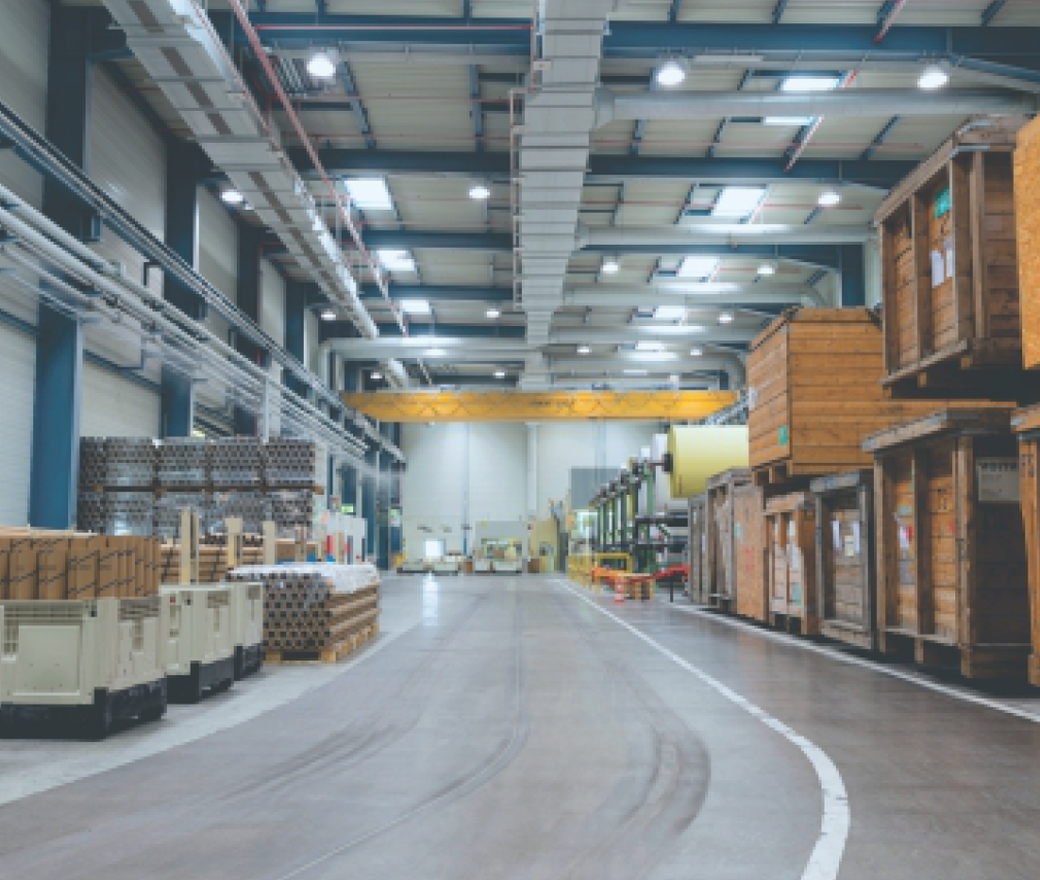
Ever wonder how fresh berries from another continent land perfectly in your local supermarket, or how life saving vaccines travel across the country without losing their potency? The answer lies within a powerful, invisible network: the cold chain. At the very heart of this system is the cold chain warehouse, a specialized facility that acts as the guardian of temperature sensitive goods.


Getting this right is a massive challenge with huge stakes. Globally, the cold chain logistics sector was valued at around $364 billion in 2024, a number that reflects the incredible scale of this industry. When it fails, the losses are staggering. Poor temperature control costs the pharmaceutical industry as much as $12.5 billion every year, while an estimated 14% of all food produced is lost before it even reaches consumers, largely due to broken cold chains.


This guide breaks down everything you need to know about the modern cold chain warehouse. We will explore the technology that powers them, the intricate processes that keep them running, and the critical factors that ensure your products stay safe, from storage to final delivery.

The Foundations of a Cold Chain Warehouse

A cold chain warehouse isn’t just a big refrigerator. It’s a sophisticated, temperature controlled facility engineered to preserve the quality and extend the shelf life of perishable products. From fresh produce and dairy to pharmaceuticals and chemicals, these warehouses maintain precise environmental conditions, ensuring goods are protected from spoilage and degradation.

Key Facility Types

Cold storage facilities are not one size fits all. They are categorized based on the specific temperature ranges they maintain.


  • Chilled Storage (Refrigerated): These facilities typically operate between 2°C and 8°C (about 35°F to 47°F). They are perfect for products that need to stay cool but not frozen, like fresh fruits, vegetables, and dairy products. The goal is to slow bacterial growth and keep items fresh.

  • Frozen Storage: Operating at sub zero temperatures, usually between –18°C and –25°C (0°F to –13°F), these warehouses are for goods that must remain frozen solid. Think meat, seafood, ice cream, and frozen meals. Freezing halts microbial activity, preserving products for months.

  • Deep Freeze Storage: For specialized items like certain vaccines or high grade tuna, ultra low temperature freezers can maintain conditions from –40°C to –80°C.

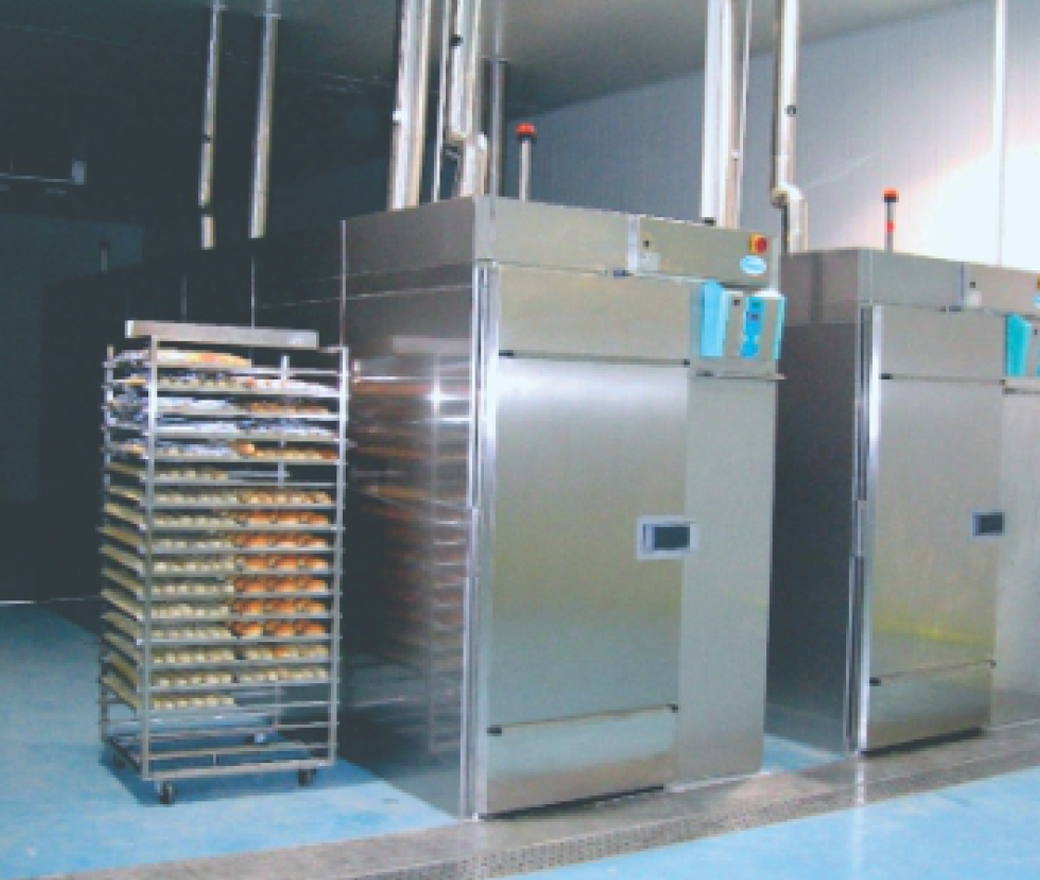
  • Blast Freezers: These aren’t for long term storage but for rapid freezing. By quickly lowering a product’s temperature, they create smaller ice crystals, which helps preserve the food’s texture and quality.

  • Ripening Chambers: For bananas and mangoes, these rooms manage temperature, humidity, and ethylene for controlled, uniform ripening.

The Technology That Makes It Work: Refrigeration System Components

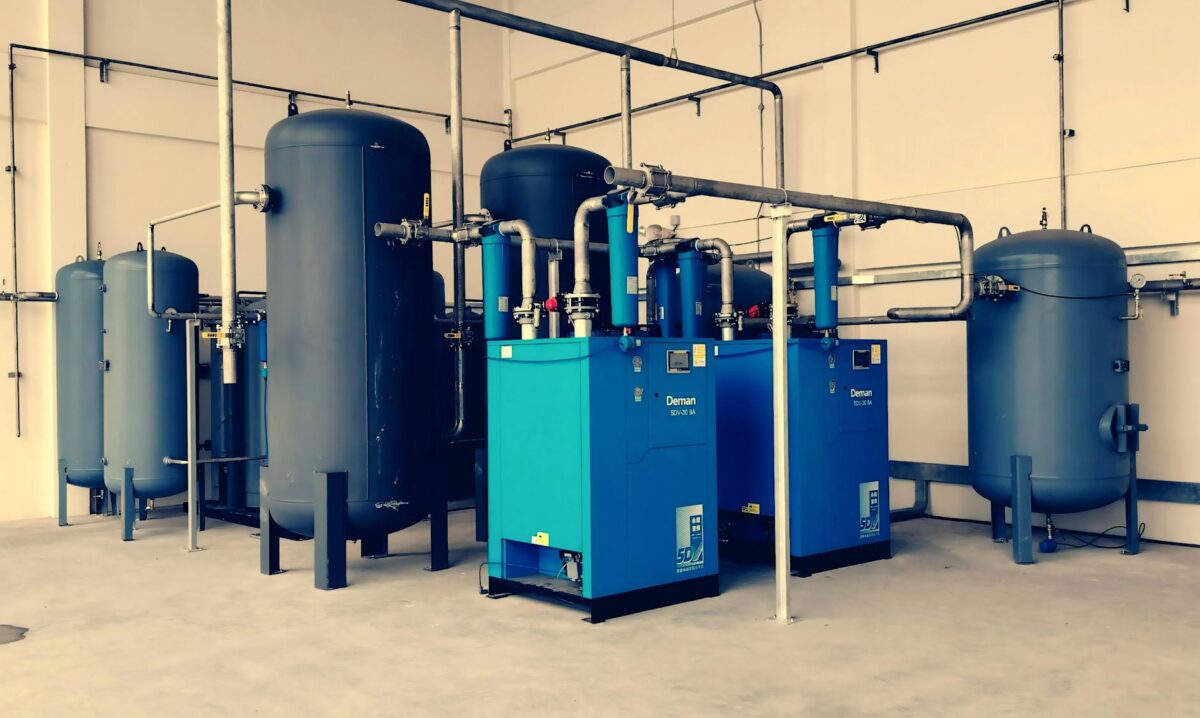
At the core of every cold facility is a vapor compression refrigeration system. Think of it as the heart and lungs of the operation, constantly working to remove heat. The main components include:


  1. Compressor: This is the heart of the system. It pumps refrigerant gas, compressing it into a high pressure, high temperature state.

  2. Condenser: Here, the hot refrigerant gas releases its heat to the outside environment, condensing back into a liquid.

  3. Expansion Valve: The high pressure liquid passes through this valve, causing a sudden drop in pressure that makes the refrigerant intensely cold.

  4. Evaporator: This component is inside the cold room. The cold refrigerant absorbs heat from the room’s air, causing it to evaporate back into a gas and leaving chilled air behind. The gas then returns to the compressor, and the cycle repeats.

Built for the Cold: Equipment Durability

Operating in freezing conditions is tough on equipment. Everything used in a cold chain warehouse must be engineered for durability in low temperatures. Forklifts and pallet jacks require special lubricants and batteries that can perform in the cold. Insulated panels and door seals use materials that won’t become brittle and crack. Even the concrete floors in freezers often have heating systems embedded within them to prevent frost heave, a condition where freezing moisture in the ground can expand and damage the building’s foundation.

Keeping the Cold In: Energy Efficiency

Running a massive refrigerator 24/7 consumes a tremendous amount of power. Because of this, energy efficiency is a top priority in cold chain operations. Modern facilities use several strategies to reduce energy consumption without compromising temperature.


  • Superior Insulation: High quality polyurethane foam (PUF panels) for walls, ceilings, and floors minimize heat transfer from the outside.

  • Efficient Equipment: Using variable frequency drives (VFDs) on compressors allows the system to adjust its power usage based on the cooling load, saving significant energy.

  • Smart Lighting: LED lights are a game changer. They use far less energy, produce minimal heat (reducing the load on the refrigeration system), and can be paired with motion sensors so they are only on when an aisle is in use.

  • Airtight Operations: Fast acting doors, air curtains, and properly sealed loading docks prevent cold air from escaping and warm air from entering.

Investing in these features can cut operational energy costs by 20 to 30%, making a facility more sustainable and affordable to run. For a custom built, energy efficient facility, it’s best to work with experienced providers. F-Max Systems designs cold storage solutions that prioritize efficiency to lower your long term operational costs.

Managing Operations Inside the Warehouse

A well designed cold chain warehouse is only half the battle. Smooth, safe, and efficient daily operations are what truly protect the integrity of the products stored inside.

The People Factor: Worker Safety

Working in a sub zero environment presents unique challenges. Employee safety is paramount. Operations must adhere to strict protocols, including:


  • Protective Gear: Workers are equipped with insulated clothing, gloves, and boots (personal protective equipment, or PPE) to protect against cold stress and frostbite.

  • Regulated Work Schedules: To limit exposure, staff often work in shorter shifts with regular warm up breaks.

  • Specialized Training: Employees are trained on the signs of cold related health issues and emergency procedures.

  • Facility Design: Non slip flooring and clearly marked pathways are essential to prevent accidents in potentially icy conditions.

Smarter Storage: Space Optimization and Capacity Planning

Since every cubic meter of refrigerated space is expensive to build and cool, maximizing storage density is crucial.

  • Capacity Planning: This involves forecasting inventory levels, including seasonal peaks, to ensure the facility is the right size. A warehouse should be able to handle growth without becoming overstuffed, which can impede airflow and reduce efficiency.

  • High Density Racking: Instead of traditional racks with wide aisles, many cold facilities use systems like drive in racks or mobile pallet racking. Mobile racking, where shelves move on rails to open a single aisle where needed, can increase storage capacity by up to 85% in the same footprint.

  • Vertical Space: Automated Storage and Retrieval Systems (AS/RS) use robotic cranes in high bay warehouses that can reach up to 45 meters, using vertical space to achieve incredible storage density.

Keeping Track: Inventory Management

In a cold environment where products have expiry dates, knowing exactly what you have and where it is located is non negotiable. Modern inventory management relies on:


  • Warehouse Management Systems (WMS): This software is the brain of the operation. It tracks every item from receipt to dispatch using barcodes or RFID tags.

  • Stock Rotation (FIFO/FEFO): A WMS helps enforce First In, First Out (FIFO) or First Expired, First Out (FEFO) principles. This ensures that older stock is shipped first, minimizing spoilage and waste.

  • Traceability: In the event of a product recall, detailed inventory records allow a company to quickly identify and locate affected batches, which is a critical part of regulatory compliance.

The Bottom Line: Understanding Operational Costs

Operating a cold chain warehouse is significantly more expensive than a standard warehouse. Key costs include:


  • Energy: This is often the largest single expense due to 24/7 refrigeration.

  • Labor: Specialized labor for cold environments often commands higher wages, and safety protocols can require more staff.

  • Maintenance: Refrigeration equipment requires constant upkeep to ensure it runs efficiently and reliably. See our preventive maintenance guide for cold rooms for best practices.

  • Security: Protecting high value goods like pharmaceuticals or large food inventories requires robust security systems.

Guarding the Goods: Security Measures

Cold storage facilities often house millions of dollars in inventory, making them a target for theft. Comprehensive security includes:


  • Access Control: Restricting entry to authorized personnel using key cards or biometric scanners.

  • Surveillance: 24/7 CCTV monitoring of all critical areas, including loading docks and storage zones.

  • Perimeter Security: Fencing, gated access, and adequate lighting to deter intruders.

  • Inventory Audits: Regular checks to ensure physical stock matches system records, helping to identify any discrepancies quickly.

The Cold Chain in Motion

Storage is just one piece of the puzzle. The true challenge of the cold chain is maintaining temperature integrity as products move from the warehouse to their final destination.

The End to End Journey: The Cold Chain Procedure

The cold chain procedure is the complete, unbroken series of refrigerated events that moves a product from origin to consumer. It starts with precooling at the production site, continues through packaging, transportation, and storage, and ends with last mile delivery. A disruption at any one of these stages can compromise the entire chain.

Protecting Products on the Go: Temperature Controlled Packaging

When products leave the controlled environment of a warehouse or truck, specialized packaging becomes their lifeline. This typically involves a combination of:


  • Insulation: Materials like polyurethane foam or vacuum insulated panels slow the transfer of heat.

  • Refrigerants: Cooling agents like frozen gel packs, dry ice (solid carbon dioxide), or phase change materials (PCMs) absorb heat and maintain a low temperature inside the package.

This packaging is essential for last mile delivery and for shipments that may not have active refrigeration at every step.

Moving the Chill: Cold Chain Transportation

This is the most dynamic part of the cold chain, involving specialized vehicles to move goods across land, sea, or air.


  • Refrigerated Trucks (Reefers): These are insulated trucks with their own refrigeration units, used for most overland transport.

  • Reefer Containers: For international shipping, these are large, self powered refrigerated containers that can be loaded onto ships, trains, or trucks.

  • Air Cargo: High value or highly perishable items are often flown using active temperature controlled containers or passive insulated shippers.

The Final Step: Last Mile Delivery

This is the last and often most complex leg of the journey, moving goods from a local distribution center to a store, restaurant, or a customer’s home. It relies on smaller refrigerated vans or insulated boxes with ice packs to ensure products like groceries or medicine arrive safely at their destination.

Crossing Borders: Customs Clearance

For international shipments, efficient customs clearance is vital. A delay at the border due to incorrect paperwork can leave a refrigerated container sitting without power, jeopardizing the entire shipment. Cold chain logistics experts ensure all documentation is perfect and work with customs brokers to expedite the process, keeping perishable cargo moving.

Ensuring Unbroken Performance

Reliability is the currency of the cold chain. Modern warehouses use multiple layers of technology and planning to guarantee that temperatures remain stable and products stay safe.

Always On: Temperature Control, Tracking, and Monitoring

You can’t manage what you don’t measure. Continuous tracking and monitoring are the eyes and ears of the cold chain.


  • IoT Sensors: Smart sensors placed inside warehouses, trucks, and even individual packages record temperature and humidity in real time.

  • GPS Tracking: This provides the exact location of a shipment, allowing for route optimization and accurate ETAs.

  • Real Time Alerts: If the temperature in a truck starts to drift out of its safe range, the system can automatically send an alert to the logistics manager, who can take immediate corrective action before any damage is done.

This data also creates an auditable record, providing proof that the cold chain was maintained, which is often required for regulatory compliance.

Staying Compliant: Regulatory Standards and Certifications

The food and pharmaceutical industries are heavily regulated. A cold chain warehouse must adhere to standards set by bodies like the FDA (Food and Drug Administration) and follow principles like HACCP (Hazard Analysis and Critical Control Points) and GMP (Good Manufacturing Practices). This involves maintaining meticulous records, undergoing regular audits, and ensuring all equipment is calibrated and validated to prove it can hold the required temperatures reliably.

Expecting the Unexpected: Risk Mitigation and Contingency Planning

What happens if a truck breaks down or a natural disaster strikes? A resilient cold chain has contingency plans in place. This includes identifying backup storage locations, having alternative transportation routes planned, and maintaining clear communication protocols for emergencies. The goal is to minimize disruption and protect the product, no matter what happens.

The Ultimate Failsafe: Power Reliability and Backup

A power outage is one of the biggest threats to a cold storage facility. Even a few hours without cooling can lead to catastrophic losses. To prevent this, every reliable cold chain warehouse has:


  • Backup Generators: These are typically diesel powered generators that automatically kick on within seconds of a grid failure, ensuring the refrigeration systems never stop.

  • Uninterruptible Power Supply (UPS): These battery systems provide instantaneous power to critical control and monitoring systems, bridging the gap until the generator starts.

  • Redundant Equipment: Many facilities have multiple compressors or cooling units, so if one fails, another can take over the load.

Ready for Growth: Operational Scalability

A business’s needs change over time. A scalable cold chain warehouse is designed to grow with them. This might mean a modular design that allows for easy expansion, or using racking systems that can be added to as inventory volumes increase. This future proofing prevents a company from outgrowing its infrastructure and facing costly bottlenecks down the road.

Choosing the Right Partner

Building or managing a cold chain is complex. The right partner can make all the difference.

Location, Location, Location

The physical location of a cold chain warehouse has a major impact on efficiency and cost. A facility that is strategically located near highways, ports, or airports reduces transit times and transportation costs. Good access for large trucks is also essential for smooth loading and unloading operations.

Trust Through Time: A Provider’s Track Record

In a high stakes industry like the cold chain, experience matters. When choosing a partner to build or manage your cold infrastructure, you want a team with a proven track record of reliability and excellence. Look for a provider with years of experience, a strong portfolio of successful projects, and positive client testimonials.


With over 25 years of industry experience, F-Max Systems has established itself as a leader in refrigeration solutions across South India. Our track record is built on delivering customized, high quality systems for diverse industries, from food processing to pharmaceuticals. We provide end to end services, from design and manufacturing to installation and support, ensuring your cold chain is in expert hands.

Conclusion

The modern cold chain warehouse is a marvel of engineering, logistics, and technology. It is the critical infrastructure that underpins our access to safe food, effective medicines, and countless other temperature sensitive products. From robust refrigeration and smart monitoring to meticulous inventory management and contingency planning, every element must work in perfect harmony.


Building a reliable and efficient cold chain operation is a significant investment. Partnering with an experienced expert ensures that investment is protected. If you are looking to build, expand, or upgrade your cold storage capabilities, the team at F-Max Systems is here to help.

Frequently Asked Questions

A cold chain warehouse is a temperature controlled facility designed to store perishable goods like food and pharmaceuticals. Its primary purpose is to maintain a specific temperature range to prevent spoilage, preserve quality, and extend the shelf life of the products inside.

A chilled warehouse typically maintains temperatures just above freezing (around 2°C to 8°C) and is used for fresh produce, dairy, and some medicines. A frozen warehouse operates at sub zero temperatures (–18°C or lower) to keep products like meat, seafood, and ice cream frozen solid for long term preservation.

Temperature is maintained during transport using refrigerated vehicles (known as “reefers”), which have built in cooling systems. For smaller shipments or last mile delivery, insulated packaging with cooling agents like gel packs or dry ice is used to create a temporary cold environment.

Cold storage facilities are massive energy consumers because refrigeration systems must run continuously. Improving energy efficiency through better insulation, modern equipment, and LED lighting directly reduces high operational costs and lowers the facility’s environmental impact, making the operation more sustainable and profitable.

The biggest challenges include preventing temperature excursions during transport and transfers, managing high energy costs, ensuring worker safety in cold environments, and planning for disruptions like power outages or transportation delays. Maintaining an unbroken chain from end to end requires constant monitoring and meticulous planning.

The cost of a cold chain warehouse varies widely based on its size, the temperature range required (freezer space is more expensive than chilled), the level of automation, and its location. Building a custom facility requires a detailed analysis of your specific needs. For a precise quote on your project, it is best to consult with a cold storage specialist.

Preventive Maintenance Of Cold Rooms

Introduction

Cold rooms have one main function to keep whatever is in them consistently cooled. Faulty refrigeration equipment in a cold room can lead to inefficient cooling, which could spell trouble for the perishable items stored in it. The smartest thing to prevent this from happening is to maintain the cold room maintenance checklist to ensure it is running as efficiently as possible. An efficient cold room also reduces energy costs.

Continue reading