Walk In Freezer Buying Guide 2026: How To Choose Right

This Walk In Freezer Buying Guide covers sizing, insulation R-values, floors, doors, defrost, refrigerants, and energy costs—get tips to choose the right unit.

Investing in a walk in freezer is a major step for any business in the food, pharmaceutical, or hospitality industries. It’s more than just buying a big cold box; it’s a critical piece of infrastructure that protects your inventory, ensures product quality, and impacts your bottom line. With so many technical details to consider, making the right choice can feel overwhelming.


This comprehensive walk in freezer buying guide is here to help. We’ll break down everything you need to know, from the basic decisions about size and temperature to the technical details of insulation, refrigeration systems, and long term costs. Let’s walk through the essential factors to create an efficient, reliable, and cost effective cold storage solution for your business.

Part 1: The Foundational Decisions

Before you dive into technical specifications, you need to answer a few fundamental questions about your operational needs. Getting these basics right is the first step in any successful walk in freezer buying guide.

Temperature Range: Cooler vs. Freezer

First, what are you storing? The required temperature is the most critical distinction.


The choice has major implications for energy use. Maintaining sub zero temperatures requires significantly more power. For example, a freezer set 5 degrees colder may use up to 25% more electricity. If you require rapid pull-down to –40°C for seafood, RTE, or batch freezing, consider dedicated blast freezers designed for speed and product quality.

Size, Capacity, and Inventory Planning

How much space do you really need? This involves more than just measuring your room.


  • Calculate Storage Volume: Determine the maximum amount of product you need to store at any given time.

  • Allow for Airflow: Never pack a cold room completely full. You need space for air to circulate around your products for even cooling. A good rule is to leave a few inches between pallets and walls.

  • Plan for Aisles and Access: Your team needs room to move, stock shelves, and operate carts or pallet jacks safely.

  • Factor in Future Growth: It’s wise to build in a buffer to accommodate seasonal peaks and business growth by targeting around 85% physical occupancy. Undersizing a unit is a common mistake that leads to overworked systems and spoiled products.

Your inventory turnover and delivery frequency also play a huge role. A business with daily deliveries needs less long term storage space than one that receives bulk shipments once a week. Planning your capacity correctly ensures your refrigeration system isn’t overloaded and protects your investment.

Indoor vs. Outdoor Location

Where will the unit go? You can install a walk in freezer either inside your existing building or as a standalone outdoor unit.


  • Indoor Units: These are built within a warehouse or back room. They are protected from the elements, which makes them more energy efficient since they aren’t fighting against extreme sun or rain. However, their size is limited by your building’s dimensions and access points.

  • Outdoor Units: Perfect for businesses needing more capacity than their building can accommodate. These units are built to be weatherproof, with their own roofing and durable finishes. While they offer more flexibility in size and placement, they are exposed to ambient temperature swings and typically use more energy to maintain their internal climate.

Part 2: The Anatomy of the Box

A walk in freezer is essentially a high performance insulated box. The quality of its construction materials directly impacts its efficiency and lifespan.

Panel Construction, R value, and Insulation

The walls, ceiling, and floor are built from insulated sandwich panels.


For a hot climate like South India, using panels with a high R value is essential for energy efficiency. Companies like F-Max Systems manufacture their own PUF panels, allowing for customized thickness (from 50 mm to 200 mm) to match specific project needs.

Floor Options and Insulation

The floor is a critical, and often overlooked, component.


  • Coolers: Walk in coolers operating above freezing may not always require an insulated floor if they are installed on a ground level concrete slab. However, adding floor insulation is always recommended to improve efficiency and prevent condensation.

  • Freezers: Walk in freezers always require an insulated floor. Without it, the sub zero temperatures can freeze the ground beneath, causing frost heave. This phenomenon can expand the soil and crack the concrete slab, causing serious structural damage. Freezer floors are built with thick insulation and often have underfloor heating elements to prevent this.

Floors also need to support the weight of your products and equipment. A standard panel floor can support foot traffic and shelving, but you’ll need a reinforced or concrete floor for heavy pallet jacks or forklifts. For a practical walkthrough of site prep and assembly steps, see our cold room installation step-by-step guide.

Door Type and Seal Quality

Your door is the biggest potential source of heat and moisture infiltration.


  • Hinged Doors: Common for smaller walk ins, these swing open and often have self closing mechanisms.

  • Sliding Doors: Ideal for larger spaces or high traffic areas as they don’t require swing clearance.

Regardless of the type, the door must have a high quality gasket that creates an airtight seal. A poor seal allows cold air to leak out and warm, moist air to leak in, forcing your refrigeration system to work harder and causing excessive frost buildup. Freezer doors should also have heated frames to prevent the door from freezing shut. For safety, every walk in door must have an internal safety release.

Durability, Materials, and Finishes

The materials used for the panel skins and exterior finish affect longevity.


  • Panel Material: Most panels use galvanized steel with a food safe coating. This offers a great balance of durability, corrosion resistance, and cost. For highly corrosive environments like seafood processing, stainless steel or fiberglass reinforced plastic (GRP) may be used.

  • Exterior Finish: For indoor units, the standard factory painted finish is usually sufficient. For outdoor units, the finish must be weatherproof. A white or light colored reflective finish is recommended to reduce solar heat gain, which is a key consideration for units installed in sunny climates.

Part 3: The Heart of the System: Refrigeration

The refrigeration system does all the heavy lifting. Understanding the different types and how to size them properly is a key part of this walk in freezer buying guide.

Refrigeration System Type: Self Contained vs. Remote

  • Self Contained Systems: These “plug and play” units have the compressor and condenser built into the same package as the evaporator (the cooling coil). They are simpler and cheaper to install but release heat and noise into the surrounding area.

  • Remote Systems: This split configuration places the evaporator inside the cold room and the noisy, heat generating condensing unit elsewhere, usually outside on a roof or behind the building. This is the standard for larger systems, as it keeps heat and noise out of your workspace.

Refrigeration Power and Sizing

Properly sizing your refrigeration system is crucial.


  • Undersized: The system will struggle to maintain temperature, putting your products at risk.

  • Oversized: The system will cycle on and off too frequently (short cycling), leading to inefficiency, premature wear, and higher upfront costs.

Sizing calculations must account for multiple heat loads:


  1. Product Load: Heat from warm products being placed inside.

  2. Transmission Load: Heat leaking through the walls, ceiling, and floor.

  3. Infiltration Load: Warm air entering when the door is opened.

  4. Internal Load: Heat from lights, fan motors, and people.

Condensing Unit Location

For remote systems, where you place the outdoor condensing unit matters. It needs a spot with excellent airflow, away from direct sunlight if possible, and with enough clearance for a technician to perform service. A well placed condensing unit runs more efficiently and lasts longer. If you’re deciding between condenser types, see our air-cooled vs water-cooled condensing unit guide for pros, cons, and water/ambient considerations. A manufacturer that understands local conditions, like F-Max Systems, engineers condensing units specifically for high ambient temperatures, ensuring reliability even on the hottest days.

Defrost Mechanisms

In freezers, moisture from the air freezes onto the evaporator coils, forming frost. A defrost mechanism periodically melts this ice to maintain efficiency.


  • Electric Defrost: Uses heating elements to melt the ice. Effective but uses significant energy.

  • Hot Gas Defrost: A more efficient method that uses hot refrigerant gas from the compressor to melt the ice from within the coils.

About 5 mm of frost can increase a freezer’s electricity consumption by 30%, so a reliable defrost system is non negotiable.

Refrigerant Selection and Regulations

The refrigerant is the fluid that transfers heat. Due to environmental regulations, the industry is phasing out older refrigerants with high Global Warming Potential (GWP), like R-404A. Newer, lower GWP alternatives and natural refrigerants like CO2 are becoming more common. When purchasing a new system, ensure it uses a refrigerant that is compliant with current and future regulations to “future proof” your investment.

Part 4: Operations, Efficiency, and Long Term Planning

A well designed walk in freezer is also easy to operate, energy efficient, and ready for the future. This section of our walk in freezer buying guide covers the features that deliver long term value.

Control, Monitoring, and Energy Efficiency

  • Controls: Modern walk ins use digital controllers to precisely manage temperature and defrost cycles.

  • Smart Monitoring: Many systems now offer remote monitoring, data logging, and automatic alerts. This allows you to check temperatures from your phone and receive a notification if something goes wrong, potentially saving thousands of dollars in spoiled inventory.

  • Energy Efficiency: The most significant operating cost is electricity. Look for features like high R value insulation, efficient EC fan motors, LED lighting, and strip curtains on doors. LED lights are a simple but impactful feature; they use up to 80% less energy and produce far less heat than older incandescent bulbs.

Ventilation and Airflow

Good internal airflow is essential for maintaining a consistent temperature throughout the unit. This is achieved through evaporator fans and proper product storage. Always use open wire shelving instead of solid shelves, and leave space between your products and the walls to allow cold air to circulate everywhere.

Shelving and Storage Options

Your shelving strategy should maximize space while promoting airflow.

  • Wire Shelving: The best choice for most applications, as it allows for vertical air circulation. Look for NSF certified, epoxy coated, or stainless steel options that resist corrosion.

  • Pallet Racking: For warehouse scale operations, heavy duty pallet racks allow for bulk storage and forklift access.

  • Health Compliance: Always store products at least six inches off the floor to comply with health codes.

Customization and Expandability

Your business needs are unique. A key advantage of modular panel construction is that it allows for extensive customization in size and shape. You can design a unit to fit an awkward space or include multiple temperature zones. Furthermore, these systems are often expandable. By designing for future growth, you can easily add more panels later to increase your storage capacity without needing to build a completely new unit.

Maintenance, Warranty, and Service

Refrigeration systems require regular preventive maintenance of cold rooms, such as cleaning condenser coils and checking door seals, to operate reliably.

  • Warranty: Understand the warranty coverage for different components. Typically, panels have a longer warranty than mechanical parts like the compressor.

  • Service: Choose a supplier with a strong local service network. Quick access to technicians and spare parts is critical to minimize downtime in an emergency. A reliable partner like F-Max Systems provides end to end project execution and responsive after sales support, offering single vendor accountability.

Safety, Compliance, and Environmental Impact

  • Personnel Safety: Every unit must have an inside safety release, non slip flooring, and adequate lighting.

  • Health Compliance: The interior surfaces must be made of food safe materials and be smooth, non porous, and easy to clean to meet standards from bodies like the FSSAI or FDA.

  • Environmental Impact: Modern systems are designed for sustainability. They use insulation with zero ozone depletion potential, operate with high energy efficiency, and are transitioning to low GWP refrigerants.

Cost and Budgeting

Finally, consider the total cost of ownership, not just the upfront price. A cheaper unit with poor insulation or an inefficient refrigeration system will cost you far more in electricity bills over its lifespan. Budget for the initial purchase, installation, and site preparation, but also factor in the ongoing operating costs of energy and maintenance. Investing in a quality, energy efficient system delivers a better return on investment through lower utility bills and reduced product loss.

Frequently Asked Questions (FAQ) About Walk In Freezers

For long term storage of most frozen foods, the industry and food safety standard is negative 18°C (0°F) or colder. This temperature effectively stops microbial growth and preserves food quality.

The cost varies widely based on size, temperature requirements, and features. A small, basic walk in cooler can start from a few thousand dollars, while a large, custom built freezer for industrial use can cost significantly more. Always consider the total cost of ownership, including energy consumption, when comparing prices.

Yes, absolutely. An insulated floor is mandatory for any walk in freezer to prevent the sub zero temperatures from freezing the ground underneath, which can cause structural damage known as frost heave.

Key strategies include choosing panels with a high R value, using energy efficient LED lighting, installing strip curtains on the doorway to reduce cold air loss, keeping the door closed as much as possible, and performing regular maintenance, especially cleaning the condenser coils.

A self contained unit has all components (compressor, condenser, evaporator) in one package, making it easy to install but releasing heat and noise into the room. A remote system splits these components, placing the heat and noise producing condenser outside, which is better for larger units and indoor comfort. This is a crucial topic in any walk in freezer buying guide.

With proper installation and regular maintenance, a well built walk in freezer can have an expected lifetime of 12 to 25 years. The refrigeration system components, like the compressor, may need replacement after an average of 15 years.

Most walk in freezers built with modular, cam lock panels are designed to be expandable. You can disassemble one wall and add more panels to increase the size as your business grows. It’s a great idea to plan for this possibility from the start.

Regular maintenance includes cleaning the condenser and evaporator coils, checking door gaskets for a proper seal, inspecting refrigerant levels, and ensuring the defrost cycle is working correctly. It is highly recommended to have a professional technician service the unit on a quarterly schedule by a certified technician from an Authorized Service Provider.

Choosing the right cold storage solution is a critical investment. By following this walk in freezer buying guide, you can confidently select a system that meets your needs today and supports your growth for years to come. For expert consultation on a custom solution designed for your specific application, especially in the demanding climate of South India, contact the engineering team at F-Max Systems.

🌐 Get Online Quote at www.fmax.in/contact-us

📞 Call +91 94896 08022 to speak with our team.

What Is a Blast Freezer? How It Works & Key Uses (2026)

Wondering what is a blast freezer? Learn how it works, temps, and freezing times, plus benefits, types, and key food applications. Read the 2026 guide.

Ever wondered how frozen foods at the supermarket, like berries or shrimp, manage to stay perfectly separate and avoid turning into a sad, icy block? The secret often lies in a powerful piece of equipment. So, what is a blast freezer?

Simply put, a blast freezer is a specialized freezer designed to drop the temperature of food incredibly quickly. Unlike your home freezer that chills things gradually, a blast freezer uses powerful fans to circulate frigid air, often at temperatures of minus 30 °C to minus 40 °C, to rapidly freeze products to their core. This high speed process is the key to preserving food quality, safety, and shelf life far better than conventional methods.

Sometimes called a shock freezer or flash freezer, this technology is a cornerstone of the modern food industry, from large scale processing plants to local bakeries. It’s also used in critical non food applications like preserving pharmaceuticals and biological materials.

How a Blast Freezer Works

The working principle behind a blast freezer is all about rapid heat removal. It combines two key elements: extremely low temperatures and high velocity air. Here’s a breakdown of the process:

  1. Intense Cooling: A powerful refrigeration system—like our refrigeration units—featuring a heavy duty compressor and evaporator, chills the air inside the freezer to very low temperatures, frequently reaching minus 40 °C.

  2. High Speed Airflow: A series of strong fans then blasts this ice cold air directly across the products. This moving air, often traveling at 3 to 6 meters per second, is much more effective at pulling heat away from the food than still air.

  3. Heat Extraction: As the cold air absorbs warmth from the food, the system continuously removes this warmer air and replaces it with freshly chilled air.

This creates a vortex of cold that uniformly freezes the product from all sides, driving its core temperature down to a safe storage level of minus 18 °C or lower. This entire cycle is engineered to be as fast as possible.

The Blast Freezing Process Explained

The goal of the blast freezing process is to move food through the critical ice crystallization zone (around minus 1 °C to minus 5 °C) as quickly as possible. When freezing happens this fast, it preserves the food’s structure.

The process is considered complete only when the product’s thermal center, or its very core, reaches the target temperature, typically minus 18 °C. For many products, this can happen in just a few hours. A key part of the process is rapidly cooling hot foods, like a freshly cooked stew, from around 70 °C down past the bacterial “danger zone” to a safe frozen state, something blast freezers can achieve in a matter of hours.

Temperature Range and Freezing Time

What is the Temperature Range in a Blast Freezer?

A blast freezer operates at significantly colder temperatures than a regular storage freezer. While a home freezer might be set to minus 18 °C, a blast freezer’s air temperature typically ranges from minus 30 °C to minus 40 °C during a freezing cycle. This extreme cold is what drives the rapid temperature drop in the food itself.

How Long Does Blast Freezing Take?

The freezing time depends heavily on the product’s size, density, and initial temperature. The results are dramatically faster than conventional freezing:

  • Small, individual items like peas, berries, or shrimp can freeze solid in as little as 10 to 15 minutes.

  • Larger items like trays of prepared meals or cartons of meat might take 2 to 4 hours.

  • Very large, dense loads, such as a pallet of boxed goods, could take 12 to 24 hours.

Even at its longest, this is a huge improvement over the several days it could take to freeze a large load in a standard walk in freezer.

The Science: Ice Crystals and Food Quality

The speed of freezing directly impacts the final quality of the food, and it all comes down to the size of the ice crystals.

  • Slow Freezing: In a conventional freezer, water molecules have plenty of time to form large, jagged ice crystals. These crystals act like tiny knives, puncturing and shredding the food’s cellular walls. This is why slowly frozen food often becomes mushy and loses a lot of moisture (drip loss) when thawed.

  • Blast Freezing: Because the freezing is so rapid, water molecules are frozen in place before they can form large crystals. Instead, tiny, smooth microcrystals are formed. These small crystals do not damage the cell structure.

The result? When blast frozen food is thawed, its texture, flavor, and nutritional content are remarkably close to its fresh state. Studies confirm that flash frozen foods retain more vitamins and minerals and experience significantly less drip loss.

Key Comparisons

Blast Freezer vs. Blast Chiller

While they sound similar, a blast freezer and a blast chiller serve different purposes.

  • A blast chiller is like a super powered refrigerator. Its job is to rapidly cool hot food down to a safe, chilled temperature, usually around positive 3 °C. It does not freeze the food.

  • A blast freezer is a super powered freezer. It takes food all the way down to a deep frozen state, typically minus 18 °C or colder.

Many modern units combine both functions, allowing operators to either blast chill for short term storage or blast freeze for long term preservation. For a detailed comparison, see Blast Chiller vs. Blast Freezer: Which One Does Your Kitchen Actually Need?

Blast Freezing vs. Conventional Freezing

The difference in quality and safety is stark. Conventional freezing is a slow process that damages food texture and allows more time for microbial activity before the product is fully frozen. Blast freezing, on the other hand, preserves quality by forming tiny ice crystals and enhances safety by moving food through the temperature danger zone in minutes instead of hours.

Interestingly, while blast freezers have a high power draw, their speed can make them more energy efficient overall. Some modern flash freezing equipment uses up to 30% less electricity per kilogram of food compared to older, slower methods because the run time is so much shorter.

Types of Blast Freezers

Blast freezers come in various designs to suit different production needs, primarily categorized by their operational style.

Batch vs. Continuous Operation

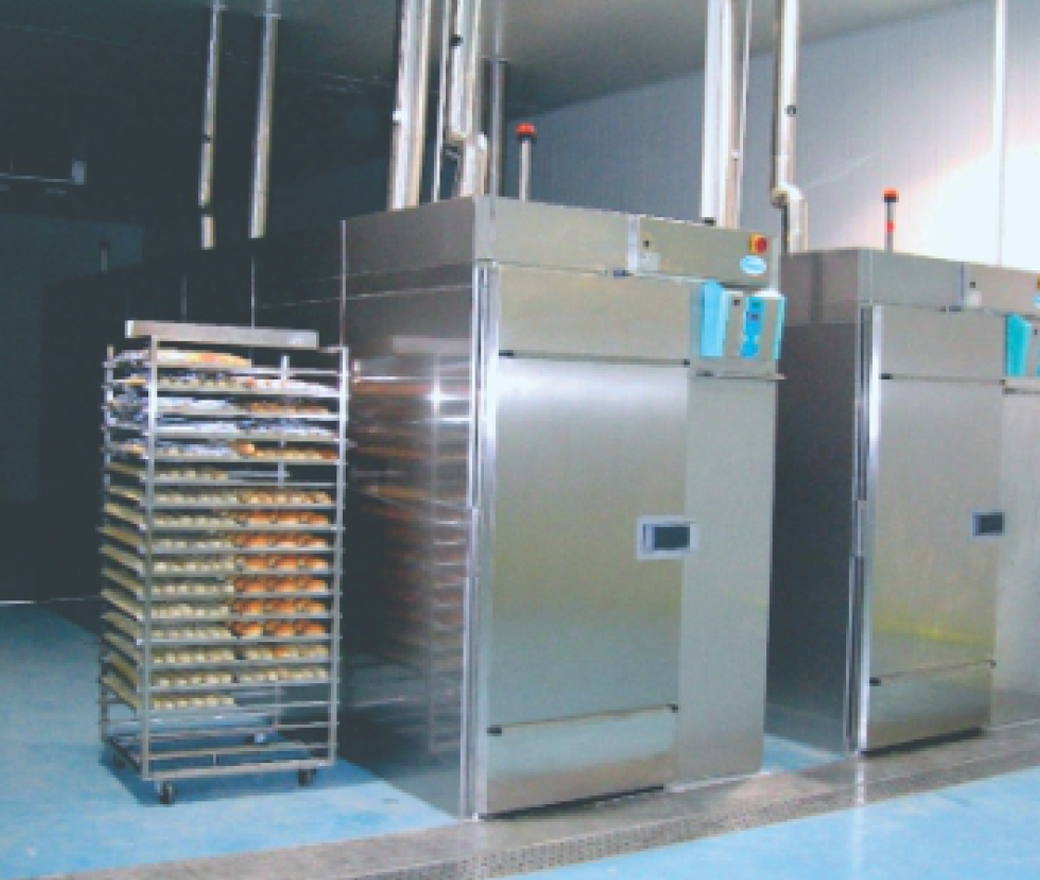
  • Batch Freezers: These units freeze food in separate, stationary batches. Products are loaded onto racks or carts, placed inside, and the freezing cycle is run. They are flexible and ideal for businesses with varied products or smaller volumes, such as restaurants or catering kitchens.

  • Continuous Freezers: Designed for high volume, assembly line style production, these freezers move products through a freezing zone on a conveyor system. They offer high throughput and require less manual labor, making them perfect for large food processing plants.

Tunnel Freezer

A tunnel freezer is a type of continuous freezer shaped like a long, linear tunnel. Products enter on a conveyor belt at one end and emerge fully frozen at the other. They are the workhorses of the frozen food industry, used to process tons of products like vegetables, poultry, and seafood every hour.

Spiral Freezer

A spiral freezer is another continuous design that uses a conveyor belt that spirals vertically, either up or down. This clever design allows for a very long conveyor length in a compact footprint, making it ideal for facilities with limited floor space but high production needs. They are commonly used for baked goods, prepared meals, and pizzas.

Rack, Tray, and Cart Freezers

These are all types of batch freezers, differentiated by how they are loaded.

  • Rack Freezer: Contains built in shelves or racks where trays of food are placed.

  • Tray Freezer: Designed with slots or guides where individual trays slide in directly, much like a bookshelf. This is very common in bakeries.

  • Cart Freezer: Built to accommodate entire wheeled carts or trolleys. An operator can load a full cart outside the freezer and simply roll it inside, saving significant handling time. This is a great choice for high volume kitchens and food service operations.

Related Freezing Methods

Individual Quick Freezing (IQF)

IQF is a specialized process, often using a blast freezer, where each individual piece of food is frozen separately. This is achieved by tumbling the items in a stream of cold air, preventing them from clumping together. The result is free flowing frozen products like bags of peas or shrimp, which are easy for consumers to portion.

Plate Freezing Method

Plate freezing is a different technique that uses direct contact instead of air. Products, typically packaged in uniform blocks, are sandwiched between hollow metal plates chilled by refrigerant. This method is extremely fast and energy efficient for block shaped products like frozen fish fillets or meat blocks.

Air Blast Freezing Method

This is the fundamental principle behind most of the freezers discussed here. The air blast freezing method is simply the process of using high velocity, low temperature air to freeze products. Whether in a tunnel, spiral, or batch freezer, it is the most versatile and widely used rapid freezing technology.

Core Components and Design

Compressor and Fans

The two most critical components of a blast freezer are the compressor and the fans.

  • The Compressor: This is the heart of the refrigeration system. Blast freezers use powerful, heavy duty compressors capable of achieving and maintaining the ultra low temperatures required for rapid freezing.

  • The Fans: These are not ordinary fans. They are high power axial or centrifugal fans designed to move a massive volume of air at high speed, creating the “blast” that gives the freezer its name.

(At F-Max Systems, we engineer our refrigeration units with robust compressors and low decibel fans specifically designed to perform reliably even in the high ambient temperatures of the Indian climate. Learn more about our industrial refrigeration solutions.)

Refrigerant Selection

The choice of refrigerant is crucial for performance and environmental impact. Large industrial systems often use natural refrigerants like ammonia (NH₃) or carbon dioxide (CO₂) for their efficiency at very low temperatures. Smaller commercial units may use modern HFC blends that have a lower global warming potential. The refrigerant must be able to operate effectively at temperatures as low as minus 40 °C.

Insulation and Enclosure

To maintain such extreme cold efficiently, a blast freezer’s enclosure must be exceptionally well insulated. They are typically built using thick polyurethane foam (PUF panels), often 150 mm or more, to prevent heat from entering. Doors must have airtight seals, and the overall construction needs to be robust and hygienic, often featuring food grade stainless steel interiors.

Applications of Blast Freezers

The benefits of rapid freezing make blast freezers essential in many industries.

Food Preservation and Safety

The primary application is to extend the shelf life of food while ensuring its safety. By halting microbial growth almost instantly, blast freezing is a critical control point in any HACCP (Hazard Analysis and Critical Control Points) plan. It allows food producers to safely preserve everything from fresh produce to fully cooked meals.

Seafood and Meat Processing

Seafood and meat are highly perishable. Blast freezing right after harvest or processing locks in freshness, prevents texture degradation, and preserves the flavor and nutritional value of fish, poultry, and meat. This technology is what makes the global trade of these sensitive proteins possible.

Bakery and Pastry Products

Delicate bakery items like croissants, cakes, and mousses benefit hugely from blast freezing. The rapid process preserves their light, airy structures without causing them to collapse or become soggy, allowing bakeries to produce in batches and maintain artisanal quality.

Pharmaceutical and Biotechnology

Beyond food, blast freezers are vital for preserving sensitive biological materials. They are used to quickly freeze vaccines, blood plasma, enzymes, and cell cultures to maintain their potency and viability for storage and transport.

Food Safety Standards: HACCP and Freezing

For any food business, using a blast freezer is a key part of complying with HACCP food safety standards. The rapid cooling step is often identified as a Critical Control Point (CCP) because it prevents the growth of dangerous bacteria. HACCP plans require strict monitoring of time and temperature, and a reliable blast freezer is the tool that ensures these critical limits are met consistently, batch after batch.

(F-Max Systems designs and installs blast freezers with integrated controls and monitoring to help your business meet stringent HACCP requirements and ensure product safety. Consult with our cold chain experts today.)

Advantages and Disadvantages of Blast Freezing

Key Advantages

  • Superior Quality: Preserves food texture, flavor, and nutrition close to its fresh state.

  • Enhanced Safety: Quickly stops bacterial growth, making food safer.

  • Longer Shelf Life: Extends the storage life of products by months.

  • Reduced Waste: Allows businesses to preserve surplus food, reducing spoilage.

  • Operational Efficiency: Enables batch production and streamlines kitchen workflows.

Potential Disadvantages

  • High Energy Cost: Powerful compressors and fans consume significant electricity during operation.

  • Initial Investment: The upfront cost of a blast freezer is higher than a conventional freezer.

  • Space Requirements: These units are often large and require dedicated space and infrastructure. If you’re planning a build, see our cold room installation step-by-step guide for layout and site prep tips.

  • Operational Training: Requires proper training to load and operate efficiently to avoid overloading or slowing down the freeze time. Consistent performance also depends on preventive maintenance of cold rooms.

Frequently Asked Questions about Blast Freezers

The main purpose of a blast freezer is to freeze food or other perishable products as quickly as possible. This rapid freezing process preserves the product’s quality, texture, and nutritional value while ensuring food safety by quickly stopping the growth of microorganisms.

Blast freezers are also commonly known as shock freezers or flash freezers. These terms all refer to the same rapid freezing technology.

No, a blast freezer is designed specifically for the rapid freezing process. Once products are frozen, they should be moved to a separate, standard walk-in freezer or storage freezer set to minus 18 °C or lower for long term storage. Using a blast freezer for storage is highly energy inefficient.

A standard freezer chills products slowly using static cold air, which leads to large ice crystals and quality degradation. A blast freezer uses high velocity, extremely cold air (down to minus 40 °C) to freeze products very rapidly, forming tiny ice crystals that preserve food quality and safety.

The cost of a blast freezer varies widely based on size, type (batch or continuous), and features. Small, commercial under counter units can start from a few thousand dollars, while large industrial tunnel or spiral freezers can be a major capital investment costing hundreds of thousands of dollars.

Yes, due to their high energy consumption, cost, and size, blast freezers are designed and intended for commercial and industrial applications. They are not practical or economical for household use.

🌐 Get Online Quote at www.fmax.in/contact-us

📞 Call +91 94896 08022 to speak with our team.
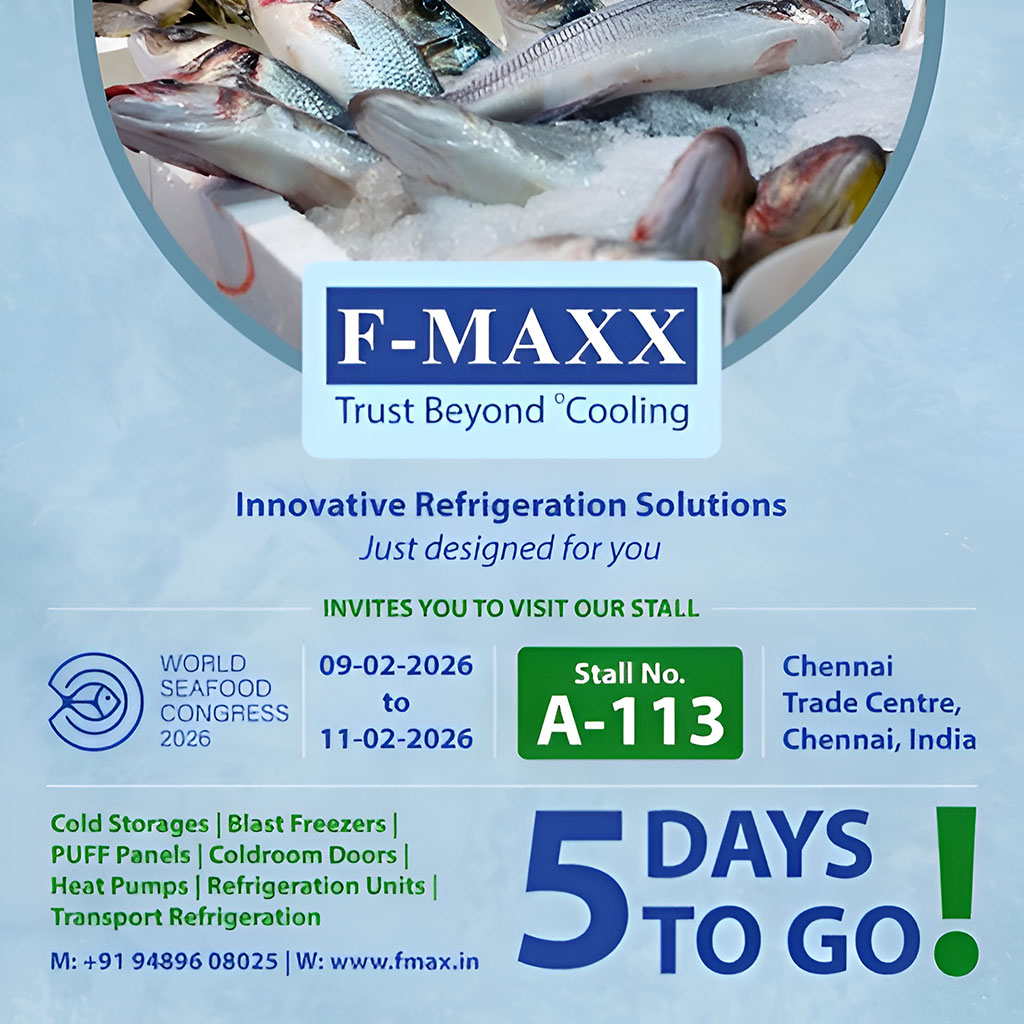
Experience Next-Gen Cold Rooms & Blast Freezers at the World Seafood Congress

In the seafood industry, freshness is everything. From the moment seafood is harvested to the point it reaches the consumer, maintaining the right temperature is critical. Even the smallest break in the cold chain can impact quality, safety, and shelf life.

That’s why advanced refrigeration solutions play a vital role in modern seafood processing and storage.

Seafood Quality Begins with the Right Cold Chain

Seafood is one of the most temperature-sensitive commodities in the food industry. Proper chilling, rapid freezing, and consistent storage conditions are essential to:

  • Preserve freshness and natural texture

  • Prevent bacterial growth and spoilage

  • Extend shelf life

  • Meet global food safety standards

A reliable cold room or blast freezer isn’t just equipment—it’s a business-critical investment.

See, Touch & Experience Next-Gen Refrigeration Solutions

If seafood is your business, our stall is your stop.

At the World Seafood Congress, we invite you to see, touch, and experience our next-generation Cold Rooms and Blast Freezers, designed specifically for the demanding needs of the seafood industry.

Our solutions are engineered to deliver:

  • High-performance cooling for consistent temperature control

  • Rapid blast freezing to lock in freshness

  • Energy-efficient designs that reduce operating costs

  • Robust construction for long-term reliability in harsh environments

Whether you’re handling fresh catch, frozen seafood, or processed products, our refrigeration systems are built to support your cold chain—from dock to destination.

Why Our Cold Rooms & Blast Freezers Stand Out

  • Precision Temperature Control – Maintains ideal storage conditions at all times

  • Fast Freezing Technology – Minimizes ice crystal formation and preserves quality

  • Custom-Built Solutions – Designed to suit seafood processors, exporters, and cold storage facilities

  • Hygienic & Durable Design – Easy to clean, corrosion-resistant, and food-safe

Meet Us at the World Seafood Congress

Join us at the World Seafood Congress and discover how the right refrigeration partner can transform your seafood operations.


📍 Venue: Chennai Trade Centre, Nandambakkam, Tamilnadu
🏢 Hall: B
🔢 Stall No: A-113


Let’s talk about performance, efficiency, and freshness—because your seafood deserves nothing less.


Visit us and experience refrigeration solutions built for the future of seafood.

#WorldSeafoodCongress #SeafoodIndustry #ColdChain #Refrigeration #Freshness

🌐 Get Online Quote at www.fmax.in/contact-us

📞 Call +91 94896 08022 to speak with our team.
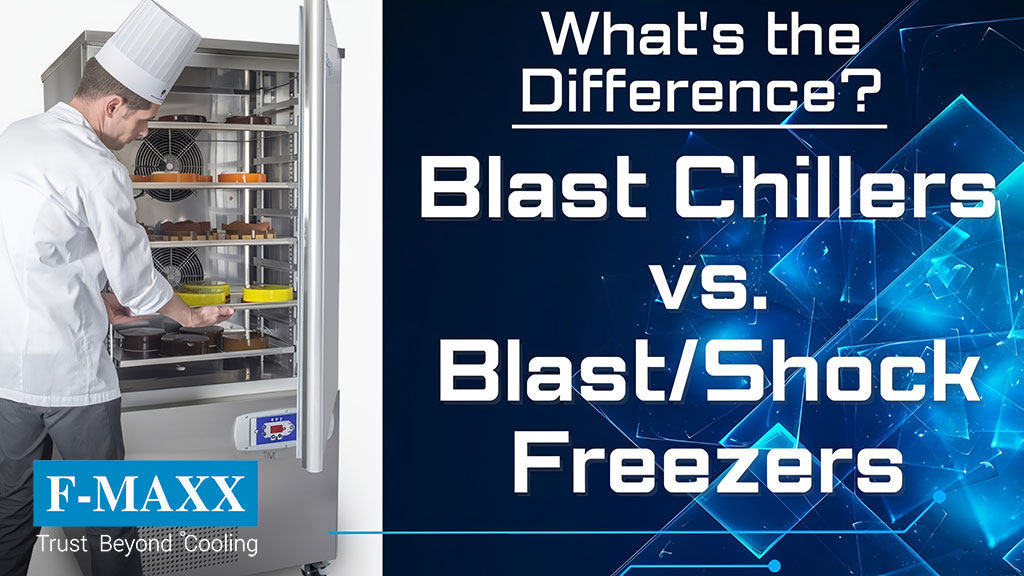
Blast Chiller vs. Blast Freezer: Which One Does Your Kitchen Actually Need?

So, you’re in the food business. You know that temperature control isn’t just a suggestion—it’s the backbone of food safety, quality, and even your bottom line. You’ve probably heard the terms “blast chiller” and “blast freezer” thrown around, and they sound intense, important, and expensive. But what’s the real difference, and which one is the right investment for your operation?


Let’s cut through the jargon. While both machines are champions of rapid cooling, they serve fundamentally different purposes. Choosing the right one isn’t just about getting a new piece of shiny equipment; it’s about making a strategic decision that will impact your kitchen’s workflow, the quality of your food, and your ability to grow.

The Core Difference: Chilling for Tomorrow vs. Freezing for Months

At its heart, the difference is simple: a blast chiller cools food down quickly for short-term use, while a blast freezer freezes food solid for long-term preservation.


    • A blast chiller is designed to take hot food, typically straight from the oven or stove (around 70°C/160°F), and plummet its temperature to a safe, refrigerated 3°C (41°F) in about 90 minutes. Its main job is to get food through the “temperature danger zone” (5°C to 63°C or 41°F to 145°F) as fast as possible, stopping harmful bacteria in its tracks.

    • A blast freezer (also called a shock freezer) is a far more powerful machine. It takes food through the same initial cooling process but continues to drop the temperature until the product is frozen solid, typically reaching -18°C (0°F) or even lower in about 240 minutes. Some high-end models can even reach temperatures as low as -40°C.

Think of it this way: a blast chiller is for the marathon of a busy week, while a blast freezer is for stocking up for the entire season.


Feature Blast Chiller Blast Freezer
Primary Goal Rapidly cool food Rapidly freeze food solid
Target Temperature ~ 3°C (37°F) ~ -18°C (0°F) or below
Typical Cycle Time ~ 90 minutes ~ 240 minutes
Best For Daily prep, cook-chill Long-term storage, cook-freeze
Storage Duration Days (up to 5) Months or even a year+

When Do You Need a Blast Chiller? The Workflow Warrior

A blast chiller is the ultimate tool for a high-volume kitchen that relies on a cook-chill system. This is perfect for restaurants, hotels, catering companies, and large-scale cafeterias.

Here’s where a blast chiller shines:

    • Unmatched Food Safety: Its number one job is on moving food through the temperature danger zone where bacteria multiply exponentially. By doing this in 90 minutes or less, you drastically reduce the risk of foodborne illness and make HACCP compliance a breeze.

    • Improved Kitchen Efficiency: Chefs can prepare large batches of soups, sauces, stews, and other components during slower periods. These items can then be safely chilled and stored, ready to be finished and served during the dinner rush. This streamlines service and reduces stress on your line cooks. Beyond food service applications, food processors often require specialized temperature-controlled environments for specific processes like fruit ripening, where precise temperature and humidity control are equally critical to final product quality.

    • Preserving Quality for Short-Term Storage: Rapid chilling locks in moisture, texture, and flavor that would otherwise be lost during a slow cooling process. It prevents food from drying out and maintains that “just-cooked” freshness for several days.

    • Perfecting Desserts and Pastries: Delicate items like custards, mousses, gelato, and even butter-rich pastry dough benefit immensely from rapid chilling, which sets them perfectly without compromising texture.

If your goal is to prep ahead for service within the next few days while maintaining the highest levels of food safety and quality, a blast chiller is your answer.

When Do You Need a Blast Freezer? The Preservation Powerhouse

A blast freezer is for when you need to think in terms of months, not days. It’s an essential tool for food manufacturers, fisheries, bakeries selling frozen goods, and any business that needs to manage large inventories over a long period. For operations requiring comprehensive cold storage solutions beyond just blast freezing, integrated systems offer complete temperature control throughout the entire food preservation chain.


The magic of a blast freezer is all about the ice crystals: However, maintaining these precise temperatures requires more than just powerful compressors – it demands high-quality insulation systems that prevent heat infiltration and ensure consistent temperature distribution throughout the freezing chamber.


When food freezes slowly (like in a regular freezer), the water molecules have time to form large, jagged ice crystals. The effectiveness of preventing this depends on the precision and power of the advanced refrigeration units that drive the blast freezing process, which must maintain exact temperature control throughout the entire cycle. These crystals act like tiny knives, puncturing and shredding the cell walls of the food. When you eventually thaw the product, all the moisture and flavor leak out, leaving you with a mushy, dry, and unappealing result.


Blast freezing, however, freezes food so quickly that the water molecules don’t have time to form those damaging large crystals. Instead, they form tiny micro-crystals that leave the cell structure almost completely intact.

This leads to major benefits:

    • Superior Quality Retention: When you thaw a blast-frozen product, it retains its original texture, color, and nutritional value. Meats stay juicy, vegetables remain crisp, and baked goods taste like they were just made.

    • Extended Shelf Life: By stopping nearly all biological and microbial activity, blast freezing can extend the shelf life of food for months, reducing waste and allowing you to take advantage of seasonal ingredients when they are at their peak and lowest price. For businesses that need to transport these preserved products while maintaining the cold chain, mobile refrigeration solutions ensure quality is preserved from production facility to end customer.

    • Increased Production Capacity: Food manufacturers can produce large quantities of product, freeze it perfectly, and store it for distribution, decoupling their production schedule from immediate demand.

For businesses where long-term preservation without sacrificing quality is the goal, a blast freezer is an indispensable asset. F-Max blast freezers, for instance, are engineered to provide deep freezing up to -40°C in a very short time, ensuring that the food’s flavor, texture, and nutritional value are locked in while keeping microorganisms at bay.

So, Which One is Right for You?

Choosing between a blast chiller and a blast freezer comes down to your business model.

    • Choose a blast chiller if: You run a busy restaurant, catering service, or foodservice operation where you prepare food in advance for service within a few days. Your primary concerns are daily workflow efficiency and passing through the food safety danger zone quickly.

    • Choose a blast freezer if: You are a food producer, work with high-value seasonal ingredients (like seafood or berries), or need to store large inventories of food for months at a time. Your top priority is preserving the “fresh” quality of your product for the long haul.

Some operations might even find they need both. A restaurant could use a blast chiller for daily prep and a small blast freezer for preserving seasonal specials. Fortunately, combination units that can both chill and freeze are also available, offering flexibility for kitchens with diverse needs. Exploring the complete range of products available can help identify the optimal configuration for your specific operational requirements. Making the right choice is a significant step. If you’re looking to implement a robust, energy-efficient freezing solution designed for long-term quality, an experienced provider can make all the difference. With over two decades of experience and more than 2,000 installations across South India, F-Max Systems specializes in custom refrigeration solutions that last. Contact our team today for a custom quote and let’s build the right system for your needs.

🌐 Get Online Quote at www.fmax.in/contact-us

📞 Call +91 94896 08022 to speak with our team.