TLDR
Individual quick freezing (IQF) technology is a food preservation method that freezes individual pieces of food separately and rapidly at temperatures between –30°C and –40°C, producing free-flowing pieces instead of solid blocks. The process races through the critical 0°C to –5°C zone in minutes, forming micro ice crystals that preserve texture, color, taste, and up to 95% of nutrients. The global IQF market was valued at USD 5.75 billion in 2024 and is projected to reach USD 9.24 billion by 2033, with Asia-Pacific growing fastest at 7.24% CAGR.
What Is Individual Quick Freezing (IQF)?
Individual quick freezing technology is a food preservation method where individual pieces of food are frozen rapidly and separately, rather than in a block. The process operates at temperatures between –30°C and –40°C and completes in as little as 3 to 30 minutes depending on product size.
The key distinction from conventional freezing: each piece remains separate and free-flowing after freezing. A bag of IQF frozen peas pours like marbles. A block-frozen equivalent is a solid brick that must be thawed entirely before use.
Products processed this way are labeled “individually quick frozen.” The technology is standard across commercial food processing for fruits, vegetables, seafood, poultry, and ready-to-eat items. IQF originated in the 1960s with the introduction of freezing tray freezers, replacing block freezing methods that degraded quality through slow freeze times. Engineers added transportation belts in the 1970s and plastic belts in the 1980s, steadily improving results and expanding the range of products that could be individually frozen.
For a deeper technical walkthrough of the entire process, equipment categories, and practical benefits, read our detailed IQF freezing guide.
How Individual Quick Freezing Works: The Science of Micro Ice Crystals
The quality advantage of IQF comes down to ice crystal size.
When food freezes, water inside and between cells turns to ice. The temperature zone between 0°C and –5°C is the critical zone where ice crystals form and grow. Slow freezing (as in block freezing) means food spends a long time in this zone, allowing large ice crystals to develop. These crystals puncture cell membranes, destroying texture and causing significant moisture loss during thawing.
Individual quick freezing technology races through this critical zone in minutes. The result is micro ice crystals that fit within cell structures without rupturing them. Short freezing time prevents formation of large ice crystals, allowing the product to keep its shape, colour, smell and taste after defrost.
The practical impact shows up in measurable quality differences:
-
Drip loss on thawing: 3–8% for IQF products vs. 10–20% for block-frozen equivalents
-
Nutrient retention: IQF preserves 90–95% of vitamins and minerals compared to fresh produce
-
Shelf life: 18–24 months when stored at –18°C or below
The basic process steps are straightforward. Pre-treatment (washing, cutting, blanching if needed) is followed by loading onto the freezer, rapid freezing at –30°C to –40°C with air velocities of 2–6 m/s, then packaging and transfer to cold storage maintained at –18°C or below.
A common misconception among consumers is that frozen means old or stale. IQF-focused brands have been pushing back on this, emphasizing that IQF produce is often frozen within hours of harvest and can retain more nutrients than “fresh” produce that has traveled for days in a supply chain.
Types of IQF Freezers
Four main freezer designs dominate IQF processing lines, each suited to different product types:
Fluidized bed freezers work best for small, uniform products like peas, corn kernels, and berries. Cold air blows upward through a perforated bed plate, suspending products in the airstream for even freezing on all surfaces simultaneously.
Spiral freezers handle high-volume production in a compact footprint. A conveyor belt spirals vertically inside an insulated chamber, processing 2,000+ kg/hr in just 10–16 square meters of floor space. These are common in large-scale operations where space is expensive.
Belt tunnel freezers carry medium to large products (shrimp, chicken pieces, fish fillets) through a freezing tunnel on a flat conveyor. Simple and versatile.
Impingement freezers target flat products like burger patties and fish portions. High-velocity air jets from above and below create the fastest freeze rates of any IQF method.
All of these designs need powerful refrigeration units to maintain the extreme temperatures required.
Mechanical vs. Cryogenic Systems
The industry splits between two refrigeration approaches. Mechanical IQF freezers use ammonia (R717) or CO₂ refrigerant with cold air circulation. They cost more upfront but have lower running costs. Cryogenic systems immerse products in liquid nitrogen for extremely rapid freezing but carry higher per-kilogram operating costs.
Mechanical systems dominate the IQF market, holding 66.44% share in 2024, driven by lower running costs and energy-efficient designs. Practitioners in the frozen fruit industry note that sustainability pressure is pushing the sector toward hybrid systems that combine traditional freezing with IQF for optimized energy use. Messer, an industrial gas company specializing in cryogenic solutions, acknowledges that while cryogenic IQF offers faster freezing, mechanical freezers’ lower per-kg costs make them the default choice for most continuous operations.
IQF vs. Blast Freezing vs. Block Freezing
This comparison is the most common source of confusion. Here is how the three methods differ:
|
Parameter |
IQF |
Blast Freezing |
Block Freezing |
|---|---|---|---|
|
Temperature |
–30°C to –40°C |
–30°C to –40°C |
–18°C to –25°C |
|
Freezing time |
3–30 minutes |
1–4 hours (batch) |
2–12 hours |
|
Product separation |
Individual, free-flowing |
May stick if not spaced |
Solid block |
|
Drip loss on thaw |
3–8% |
5–12% |
10–20% |
|
Best for |
Small pieces, high-volume continuous lines |
Mixed sizes, batch operations |
Bulk commodities, puree, juice concentrates |
|
Equipment cost |
Highest (specialized conveyors) |
Moderate |
Lowest |
|
Processing cost/kg (India) |
₹3–8 |
₹2–5 |
₹1–3 |
The short version: choose IQF for high-volume individual pieces where quality and presentation matter. Choose blast freezing for mixed-size batch operations where flexibility is more important than throughput speed. Choose block freezing for bulk commodities that will be processed further downstream.
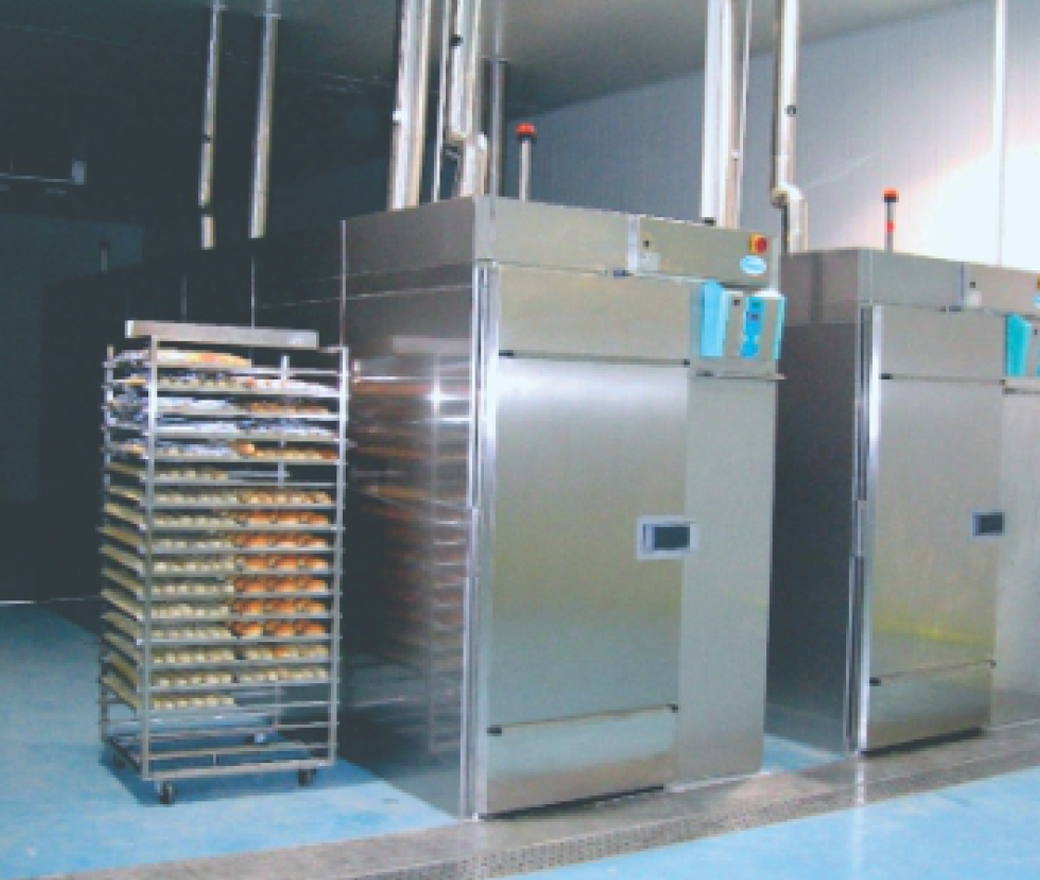
For operations that need rapid freezing down to –40°C but process in batches rather than continuous lines, F-Max blast freezers are designed specifically for Indian ambient conditions and seafood, poultry, and dairy applications.
Common Applications of Individual Quick Freezing Technology
IQF processing covers nearly every category of food:
-
Fruits and vegetables: Peas, corn, berries, mango chunks, pomegranate arils, okra, mixed vegetables
-
Seafood: Shrimp (India’s largest seafood export by volume), fish fillets, squid rings, crab meat
-
Poultry and meat: Chicken pieces, kebabs, nuggets, meatballs
-
Ready-to-eat and ready-to-cook: Parathas, samosas, momos, French fries, pasta
-
Dairy: Paneer cubes, shredded cheese
IQF is especially important for food sustainability. Because consumers can defrost and use the exact quantity needed, waste drops significantly compared to block-frozen products that require full thawing.
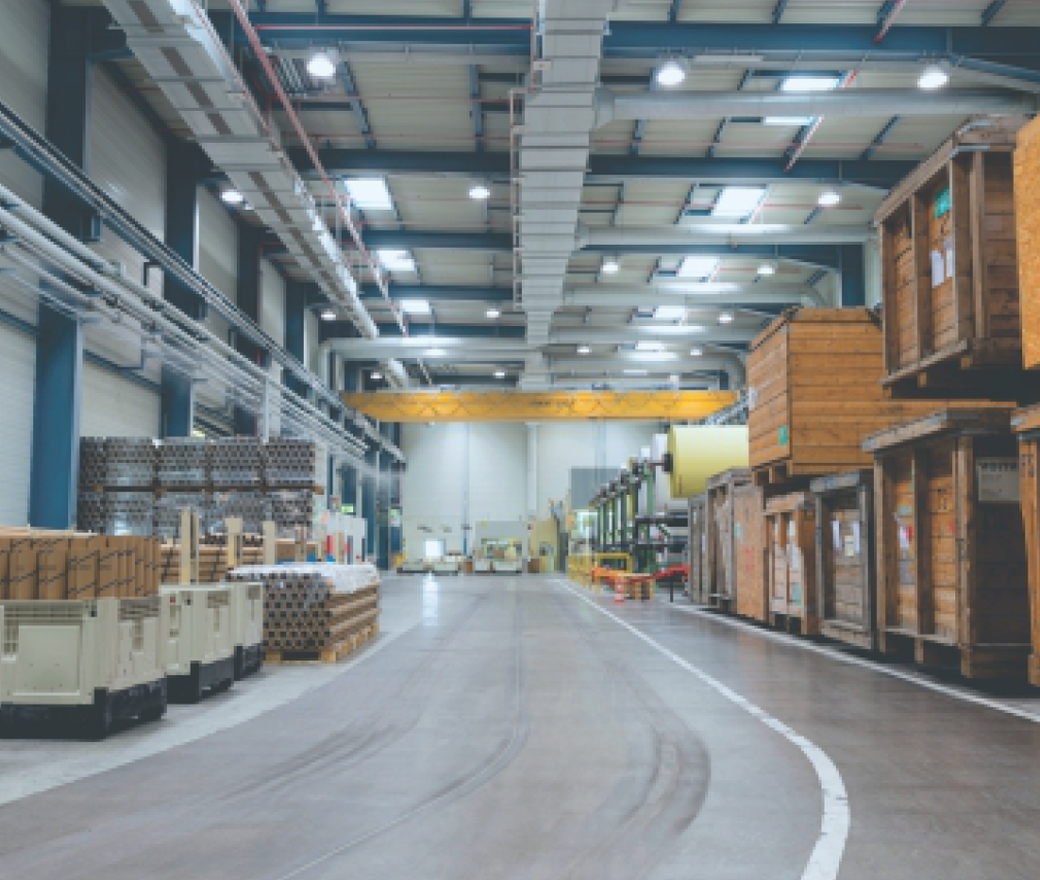
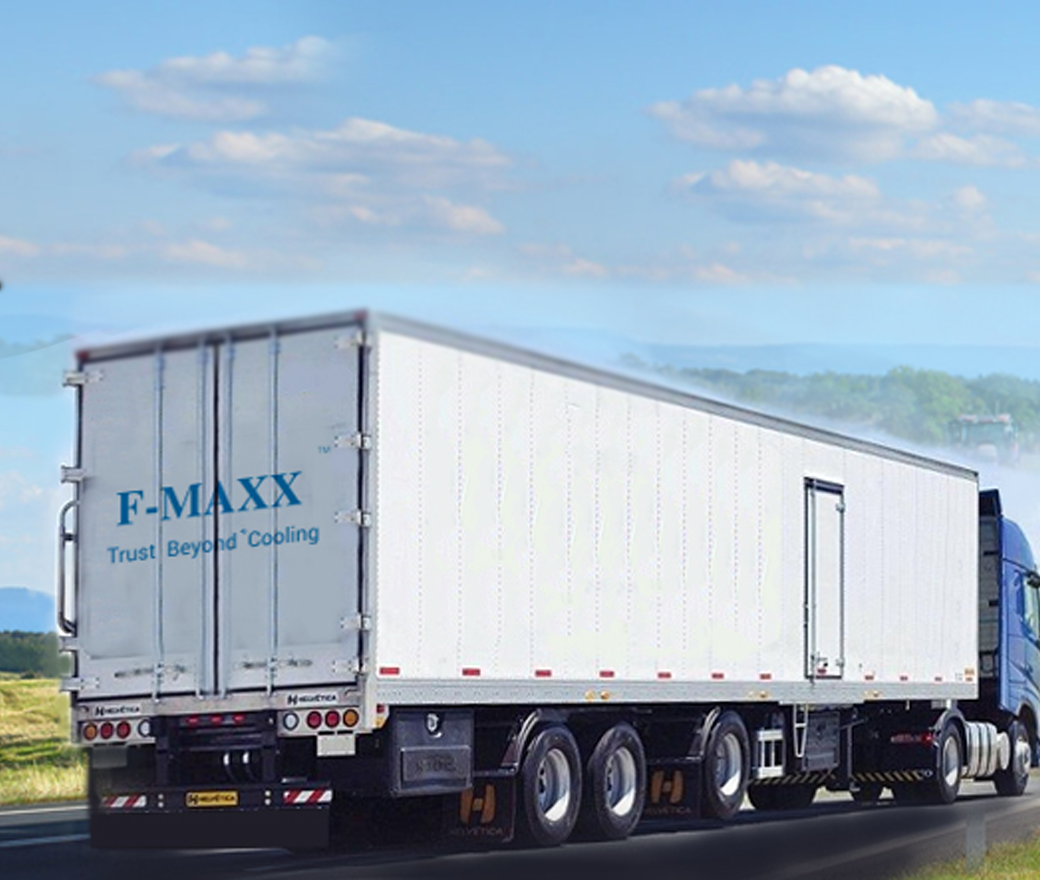
Once frozen, these products need temperature-controlled logistics from factory to retail. That means cold storage warehouses, refrigerated trucks for distribution, and unbroken cold chain management at every step.
IQF in India: Market Context and Growth
The Indian frozen foods market is expanding fast. It reached INR 191 billion in 2024 and is projected to grow to INR 593 billion by 2033 at a 13.4% CAGR. Individual quick freezing technology is central to this growth.
Globally, the IQF market was valued at USD 5.75 billion in 2024, expected to reach USD 9.24 billion by 2033 at a 6.2% CAGR. Asia-Pacific is forecast to register the fastest growth among all regions at 7.24% CAGR.
Several factors drive IQF adoption in India. Seafood exports (approximately ₹46,000 crores in 2023–24) have long required IQF for premium pricing in the USA, Europe, Japan, and the Middle East. The horticulture and ready-to-eat sectors are now accelerating adoption too. IQF products command a 15–30% price premium over block-frozen equivalents, making the higher processing cost worthwhile.
However, challenges remain. FlexFoods and other industry participants point out that cold chain infrastructure gaps, seasonal supply variations, and consumer education about IQF benefits still create obstacles, particularly for smaller processors in tier-2 and tier-3 cities.
Government support helps bridge some of these gaps. PMKSY subsidies cover 35–50% of project costs for cold chain infrastructure. APEDA provides market development schemes for export-oriented processors. Regulatory compliance requires FSSAI licensing, and export operations typically need HACCP and ISO 22000 certification.
For processors building out their cold chain warehouse infrastructure, getting the storage and logistics right is just as important as choosing the right freezing technology.
Key Technical Specifications at a Glance
|
Specification |
Value |
|---|---|
|
Operating temperature |
–30°C to –40°C |
|
Freezing time |
3–30 minutes |
|
Target core temperature |
–18°C or below |
|
Air velocity |
2–6 m/s |
|
Common refrigerants |
Ammonia (R717), CO₂, liquid nitrogen (cryogenic) |
|
Capacity range |
500 kg/hr to 8,000+ kg/hr |
|
Shelf life at –18°C |
18–24 months |
|
Operating cost (India) |
Approximately ₹2–4/kg |
|
Equipment investment, small scale (500–1,000 kg/hr) |
₹50 lakhs to ₹1.5 crores |
|
Equipment investment, medium scale (1,000–3,000 kg/hr) |
₹1.5 crores to ₹4 crores |
|
Equipment investment, large scale (3,000–8,000 kg/hr) |
₹4 crores to ₹10 crores |
Frequently Asked Questions
IQF stands for Individual Quick Freezing. It refers to both the technology and the process of freezing individual food pieces rapidly and separately at very low temperatures (–30°C to –40°C).
Very close. IQF preserves 90–95% of the vitamins and minerals found in fresh produce. Because food is typically frozen within hours of harvest, IQF products can actually retain more nutrients than “fresh” produce that has spent days in transit and on store shelves.
Both operate at similar temperatures (–30°C to –40°C), but IQF is a continuous process designed for individually freezing small pieces in 3–30 minutes. Blast freezing is a batch process where products are placed on trays or racks in a chamber and frozen over 1–4 hours. IQF produces free-flowing pieces; blast freezing works better for larger or mixed-size items. Learn more about how blast freezers work.
When stored at –18°C or below, IQF products maintain quality for 18 to 24 months. Proper packaging and unbroken cold chain management are essential for achieving this shelf life.
The primary users are seafood exporters, frozen fruit and vegetable processors, poultry and meat companies, ready-to-eat food manufacturers, and dairy processors. Quick commerce platforms are emerging as a newer demand driver for IQF products in Indian cities.
Entry-level IQF lines (500–1,000 kg/hr) range from ₹50 lakhs to ₹1.5 crores. Medium-scale systems (1,000–3,000 kg/hr) cost ₹1.5 to ₹4 crores, and large-scale installations (3,000–8,000 kg/hr) run from ₹4 to ₹10 crores. Operating costs average ₹2–4 per kg of frozen product.
Yes. Domestic operations require FSSAI licensing. Export-oriented IQF facilities typically need HACCP certification, ISO 22000 compliance, and APEDA registration. Many international buyers also require BRC or similar third-party food safety audits.
Planning a freezing or cold storage facility for your food processing operation? Talk to the F-Max team about blast freezers, cold rooms, and refrigeration systems built for Indian conditions.
🌐 Get Online Quote at www.fmax.in/contact-us
📞 Call +91 94896 08022 to speak with our team.