Have you ever wondered how you can enjoy sweet mangoes in the middle of winter or get perfectly separated green peas straight from a bag? The magic behind this convenience is a game changing food preservation method. We are talking about the world of iqf technology india frozen food solutions, a revolutionary approach that is transforming how we produce, store, and consume food. For a deeper primer, see IQF freezing: how it works, freezer types, and benefits.
India is the second largest producer of fruits and vegetables globally, yet it faces a staggering challenge: nearly 25 to 30% of this produce is lost after harvest due to a lack of proper storage. This is where Individual Quick Freezing (IQF) steps in, not just as a technology but as a crucial solution to reduce waste, empower farmers, and bring high quality, nutritious food to your table year round.
This guide will walk you through everything you need to know about the IQF industry, from the basic science to setting up your own facility.
What is IQF Technology and How Does It Work?
Individual Quick Freezing, or IQF, is a sophisticated freezing method that flash freezes individual pieces of food separately. Unlike traditional block freezing where food items clump together into a solid mass, IQF technology keeps each piece, whether it’s a berry, a shrimp, or a cube of paneer, loose and distinct.
The process works by blasting the food with high velocity, super chilled air at temperatures between –30 °C and –40 °C. This rapid freezing process takes only a few minutes. The speed is key because it creates tiny ice crystals within the food cells. In slower freezing methods, large ice crystals form and rupture the cell walls, leading to a mushy texture and loss of flavor upon thawing. With IQF, the food’s cellular structure, texture, color, and nutritional value are beautifully preserved.
Essentially, IQF locks in the freshness of just harvested produce, offering a quality that is remarkably close to fresh.
The Step by Step IQF Process Flow
Bringing a product from the farm to a frozen bag involves a precise and carefully controlled sequence. Here is a typical journey for IQF frozen food.
-
Harvest and Receiving: It all begins at the farm. Produce is picked at its peak ripeness and transported quickly to the processing facility. Time is critical. Upon arrival, the raw material is inspected for quality, and any unsuitable pieces are removed.
-
Washing and Sorting: The produce is thoroughly washed to eliminate dirt and debris. It then moves to a sorting stage where it is graded for size and quality. This is also when peeling, cutting, or dicing happens to create uniform pieces, which is vital for even freezing.
-
Blanching: Many vegetables undergo a quick blanching step, a brief dip in hot water or steam. This process inactivates enzymes that can cause nutrient loss or discoloration during storage. It’s a short step, just enough to set the color without cooking the product.
-
Cooling and Dewatering: After blanching, the produce is rapidly cooled to stop the cooking process. Crucially, any excess surface water is removed. This dewatering step prevents items from sticking together and reduces ice buildup in the freezer.
-
Quick Freezing: Now for the main event. The prepared pieces enter the IQF freezer. They are spread on a conveyor belt and blasted with frigid, high velocity air. Within minutes, the core temperature of each piece drops well below freezing, locking in its quality while keeping it separate from its neighbors.
-
Packaging and Cold Storage: Immediately after freezing, the products are weighed and sealed into bags in a hygienic, controlled environment. These packages are then moved to a cold storage warehouse kept at a steady –18 °C or lower, ready for distribution.
Common Types of IQF Freezers
IQF technology uses several types of specialized freezers, each designed for different products and production volumes.
-
Tunnel Freezers: These are straight line freezers where food travels on a conveyor belt through a freezing tunnel. A common variant is the fluidized bed freezer, where cold air is blown up through the belt, causing small items like peas or corn to gently float or “fluidize” as they freeze. This ensures every surface is exposed to the cold air for incredibly fast and uniform freezing.
-
Spiral Freezers: For larger or more delicate items like poultry pieces, seafood fillets, or ready to eat meals, spiral freezers are ideal. They use a long conveyor belt that spirals up or down inside a compact, insulated drum. This vertical design saves a significant amount of floor space, making it a popular choice for many facilities.
-
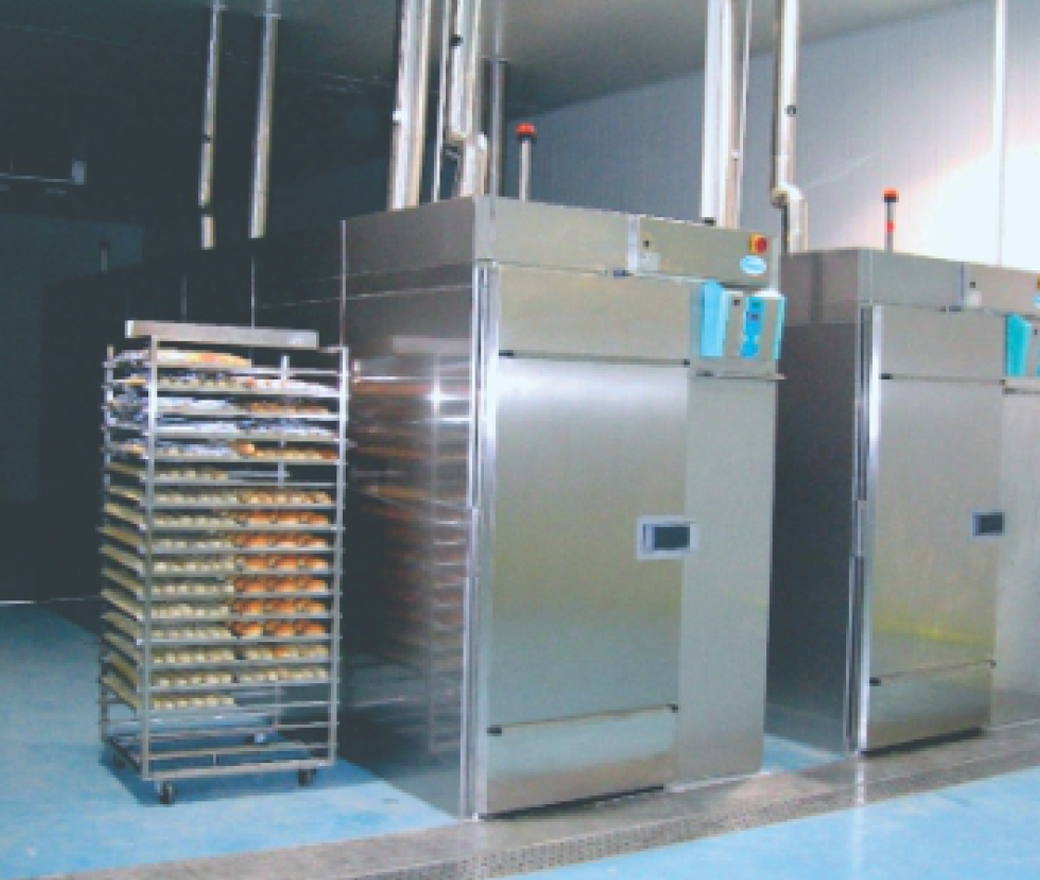
Cryogenic Freezers: These systems use liquid nitrogen (–196 °C) or carbon dioxide (–79 °C) to freeze products almost instantly. The extreme cold is perfect for high value or very delicate items like raspberries or cooked shrimp, where preserving texture is paramount. While operating costs can be higher, the speed and quality are unmatched. For batch rapid pull-down (or when full IQF separation isn’t required), purpose-built blast freezers rated to –40 °C are a proven option for seafood and ready foods.
The Rise of IQF Technology in India’s Frozen Food Scene
The adoption of IQF technology in India has been a story of remarkable growth. What was once a niche concept is now a mainstream practice, driving the modernization of the country’s food supply chain. The Indian frozen food market is expanding rapidly, with some forecasts predicting a compound annual growth rate (CAGR) of over 20%. One analysis by Technavio projects the market will grow by USD $3.21 billion between 2024 and 2029.
This surge is fueled by several factors. Changing lifestyles, an increase in dual income households, and the rise of organized retail and e commerce have created a huge demand for convenient, ready to cook foods. The iqf technology india frozen food sector is perfectly positioned to meet this demand, offering everything from frozen mixed vegetables to snacks and ready meals. Processors are scaling up to meet this need, with production of IQF fruits and vegetables growing at about 12.5% annually.
The Many Benefits of IQF for India
The widespread adoption of IQF technology brings a multitude of advantages that benefit everyone from the farmer to the end consumer.
-
Superior Quality Preservation: IQF technology maintains the natural texture, flavor, and nutritional content of food far better than conventional freezing methods.
-
Year Round Availability: Seasonal produce like strawberries and green peas can be enjoyed anytime. This helps stabilize prices for consumers and provides a consistent market for farmers.
-
Ultimate Convenience: IQF products are free flowing, meaning you can use exactly the amount you need without any fuss. This reduces kitchen prep time and minimizes food waste at home.
-
Boosts Export Opportunities: High quality IQF products meet strict international standards, opening up lucrative export markets. This has allowed Indian companies to expand their global footprint, selling items like IQF mango slices and okra worldwide.
-
Reduces Food Waste: By extending the shelf life of perishable goods from days to months, IQF plays a critical role in cutting down India’s massive post harvest losses.
-
Supports Food Processors: Manufacturers can process large volumes during peak harvest seasons, ensuring their plants run efficiently throughout the year.
Tackling India’s Post Harvest Loss Challenge with IQF
The problem of post harvest loss in India is immense. An estimated 6.02–15.05% for fruits and 4.87–11.61% for vegetables (post-harvest losses), valued at around US $13 billion, are wasted annually. This is largely due to gaps in the cold chain, including insufficient cold storage and a lack of refrigerated transport.
IQF technology, when integrated into a robust cold chain, directly addresses this challenge. By capturing the value of surplus produce at the source, processors can turn potential waste into valuable, long lasting frozen goods. For instance, instead of letting excess tomatoes rot during a glut season, they can be processed into IQF diced tomatoes or purees. This not only saves food but also improves income security for farmers.
Where IQF Shines: Sector Applications in India
IQF technology is incredibly versatile, finding applications across numerous sectors within India’s food industry.
-
Fruits & Vegetables: This is the largest sector, freezing everything from mango cubes and pomegranate arils to green peas, cauliflower florets, and mixed vegetable packs for retail and foodservice.
-
Seafood & Fisheries: India’s massive seafood industry relies heavily on IQF for freezing shrimp, fish fillets, and squid, primarily for export markets that demand top quality preservation.
-
Meat & Poultry: IQF is used for chicken pieces, nuggets, kebabs, and meat cubes, ensuring products remain separate for easy portioning by consumers and restaurants.
-
Dairy & Bakery: Items like paneer cubes, shredded cheese, and individual dessert portions are quick frozen to maintain their form and freshness.
-
Ready to Eat Foods: A booming segment in India, ready meals, samosas, and parathas are frozen using IQF principles to deliver convenience without compromising on taste.
Export Opportunities for IQF Products from India
India’s rich agricultural and marine bounty gives it a natural edge in the global frozen food market. IQF technology has been instrumental in unlocking this potential. In the 2024 to 2025 financial year, India’s seafood exports hit a record US$7.45 billion, with IQF frozen shrimp being the dominant product.
There is strong international demand for Indian tropical fruits like mangoes and jackfruit, as well as vegetables like okra and baby corn. These products, preserved with IQF technology, are shipped to markets across the Middle East, Europe, and North America. The global demand for convenient, healthy frozen produce continues to grow, creating a massive opportunity for Indian exporters. With a base of 111 Indian exporters (Nov 2023–Oct 2024) making hundreds of thousands of shipments, the iqf technology india frozen food export market is vibrant and expanding.
A Look at India’s Top IQF Products
While the range of IQF products is vast, a few stand out as India’s star performers on both domestic and international stages.
-
Frozen Shrimp: The undisputed leader of India’s frozen exports.
-
Frozen Mango: IQF mango chunks and slices are beloved globally.
-
Frozen Green Peas: A staple in every Indian freezer and a major export commodity.
-
Frozen Okra: A popular export, especially to the Middle East.
-
Frozen Mixed Vegetables: A convenient blend of carrots, peas, beans, and cauliflower.
-
Frozen Ready to Eat Snacks: Items like samosas and parathas are gaining immense popularity.
Gujarat’s Competitive Advantage for IQF Plants
Gujarat has become a prime location for IQF and cold chain facilities due to its unique combination of advantages. The state is a major producer of mangoes and okra, two top IQF export products. Its extensive coastline supports a thriving seafood industry.
Furthermore, Gujarat boasts world class infrastructure, including major ports like Mundra and Kandla, which provide a direct gateway for exporters. This proximity to ports drastically cuts down on logistics time and costs. Coupled with business friendly government policies and a robust existing cold chain ecosystem, Gujarat offers a powerful competitive advantage for any company in the iqf technology india frozen food sector.
The Critical Role of Cold Chain Integration
An IQF facility is only as effective as the cold chain that supports it. Cold chain integration means creating an unbroken, temperature controlled network from the processing plant all the way to the consumer. A single break in this chain can compromise the quality and safety of the frozen product.
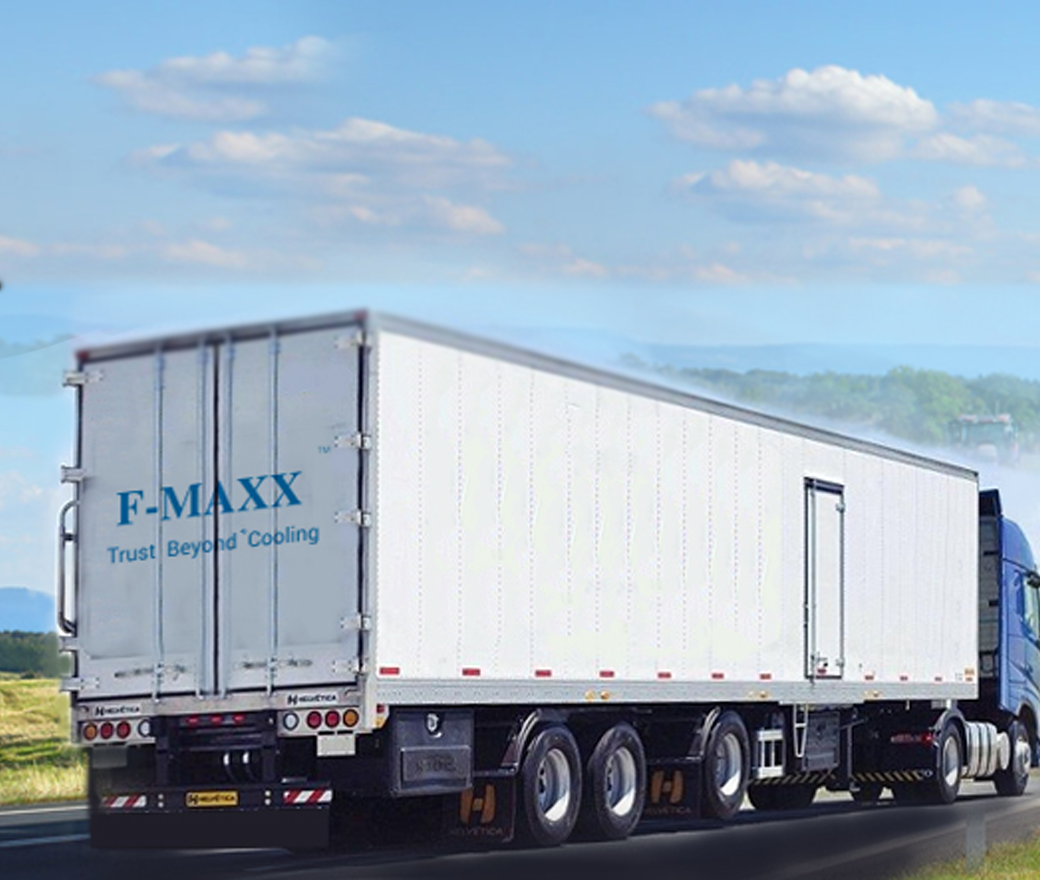
This involves having IQF freezers connected to cold storage warehouses, using refrigerated (reefer) trucks for transportation, and ensuring retail outlets have reliable freezer displays. A seamless cold chain guarantees that the high quality achieved through IQF is maintained until the product reaches the kitchen.
Meeting Cold Chain Compliance and Standards in India
Operating in the frozen food industry requires strict adherence to food safety and quality standards. In India, the Food Safety and Standards Authority of India (FSSAI) sets the guidelines.
A cornerstone of compliance is temperature control. Frozen foods must be maintained at –18 °C or colder throughout storage and transport. Facilities must implement Good Manufacturing Practices (GMP) and Hazard Analysis and Critical Control Points (HACCP) systems. For exporters, meeting international standards like BRC or FDA requirements is also mandatory. This commitment to compliance ensures that Indian frozen products are safe, reliable, and trusted by consumers globally.
How to Choose the Right IQF System in India
Selecting the right IQF system is a critical decision that depends on your specific product, production volume, and budget. Here are a few key factors to consider:
-
Product Type: Small, loose items like peas do well in a fluidized bed tunnel freezer. Larger or delicate products like chicken fillets are better suited for a spiral freezer.
-
Capacity and Footprint: Estimate your required throughput (e.g., tons per hour) and consider your available floor space. Spiral freezers are space efficient, while tunnel freezers require a longer footprint.
-
Energy Efficiency: Energy is a major operating cost in India. Look for systems with high‑efficiency refrigeration units featuring efficient compressors, variable‑speed fans, and excellent insulation to minimize power consumption.
-
Reliability and Support: Choose a system from a reputable manufacturer with a strong local service network. Quick access to support and spare parts is crucial to minimize downtime.
Navigating these choices can be complex. Partnering with an experienced turnkey solution provider can be immensely helpful. A company like F-Max Systems, which designs and manufactures a full range of cold chain equipment, can offer expert guidance on selecting and integrating the perfect IQF system for your needs.
Planning Your IQF Facility Project Setup
Setting up an IQF facility is a major undertaking that requires meticulous planning.
-
Location: Choose a site close to your raw material source with good road connectivity and reliable utilities.
-
Design and Layout: The facility layout should follow GMP principles, ensuring a logical product flow to prevent cross contamination. Use food‑grade PUF panels and insulated doors with cam‑lock joints to maintain thermal integrity and hygiene.
-
Equipment: Beyond the IQF freezer, you’ll need processing equipment like washers, blanchers, and packaging machines.
-
Utilities: Secure a high tension power supply, a reliable water source, and install backup generators.
-
Regulatory Approvals: Obtain all necessary licenses from FSSAI and other local authorities before starting operations.
Working with an end to end project execution expert can streamline this process. For businesses in South India and beyond, the team at F-Max Systems offers comprehensive project setup support, from initial design to final commissioning.
Utility and Logistics Requirements for an IQF Plant
A successful IQF operation depends on robust utilities and seamless logistics.
-
Power: A stable, high tension electricity supply is essential, along with a powerful backup generator to protect against outages.
-
Water: A consistent supply of clean water is needed for washing and blanching, along with an effluent treatment system.
-
Refrigerated Transport: A fleet of reefer trucks or a partnership with a reliable cold chain logistics provider is necessary to transport finished goods while maintaining the cold chain.
-
Storage: On site cold storage is a must, and you may need access to a network of frozen distribution hubs in key market areas.
Project Financials and Equipment Cost Estimates
Investing in an IQF plant is capital intensive. Here is a rough breakdown of potential costs:
-
Equipment: The IQF freezer and its refrigeration system are the largest costs, ₹1.8 crore to ₹5.68 crore for an IQF tunnel with refrigeration (1–6 MT/hr), per Indian government cost norms. Auxiliary equipment will add to this.
-
Infrastructure: Civil works, building construction, and high quality insulation can represent about 45% of the total capital cost.
-
Utilities: Budget for transformers, generators, and water treatment systems.
-
Operating Costs: Factor in ongoing expenses for raw materials, energy, labor, packaging, and logistics.
While the upfront investment is high, government subsidies can significantly improve project viability.
Government Schemes and Incentives for IQF in India
The Indian government actively promotes the development of the cold chain and food processing sectors. The Ministry of Food Processing Industries (MoFPI) offers several schemes that can benefit IQF projects.
The Integrated Cold Chain and Value Addition Infrastructure scheme provides substantial capital grants, often covering 35% of the project cost for general areas and 50% for northeastern and hilly regions. As of June 2025, the government had approved 395 integrated cold chain projects under this initiative. Programs like the Mega Food Park scheme and PM Kisan SAMPADA Yojana also offer support, helping to lower the financial barrier for entrepreneurs entering the iqf technology india frozen food industry.
Sustainability and Energy Efficiency in IQF Operations
Sustainability is a growing focus in the cold chain industry. Given that refrigeration is energy intensive, efficiency is key to both environmental responsibility and profitability. If you’re weighing condenser choices, see our air‑cooled vs. water‑cooled condensing unit guide. Energy can account for around 28% of operating costs in Indian cold stores, a figure significantly higher than in Western countries.
Modern IQF plants are designed for efficiency. They use high performance compressors, VFDs, and superior insulation to cut down on electricity consumption. There is also a shift towards natural refrigerants like ammonia and CO₂, which have a much lower global warming potential than synthetic alternatives. Some facilities are even integrating solar power to further reduce their carbon footprint. Ultimately, the most significant contribution of IQF to sustainability is its role in preventing food waste, thereby saving all the resources that went into growing that food.
Frequently Asked Questions about IQF Technology in India
The main difference is speed and separation. IQF freezes individual pieces of food very quickly, creating small ice crystals that preserve texture and quality. Regular or block freezing is a slower process where items freeze together in a solid mass, often resulting in cellular damage and a mushier product upon thawing.
The most common IQF products in India include shrimp, mango chunks, green peas, okra, mixed vegetables, corn, and paneer cubes. The technology is also increasingly used for ready to eat snacks like samosas and kebabs.
Yes, in many cases. Because IQF freezes produce at its peak ripeness, it locks in vitamins and nutrients. Fresh produce, on the other hand, can lose nutritional value over time during transport and storage. As a result, IQF food can often be more nutritious than fresh food that has been sitting on a shelf for several days.
The cost varies widely based on scale and technology. Total project costs typically range from ₹1.5 crores to ₹15 crores depending on scale, including infrastructure, cold storage, and auxiliary equipment. Government subsidies can significantly reduce this investment. For a site‑specific estimate, contact our engineering team.
The future is incredibly bright. With rising incomes, urbanization, and a growing demand for convenience, the market is poised for continued double digit growth. Innovations in energy efficiency and an expanding cold chain will further fuel this expansion, making high quality frozen food more accessible across the country.
🌐 Get Online Quote at www.fmax.in/contact-us
📞 Call +91 94896 08022 to speak with our team.