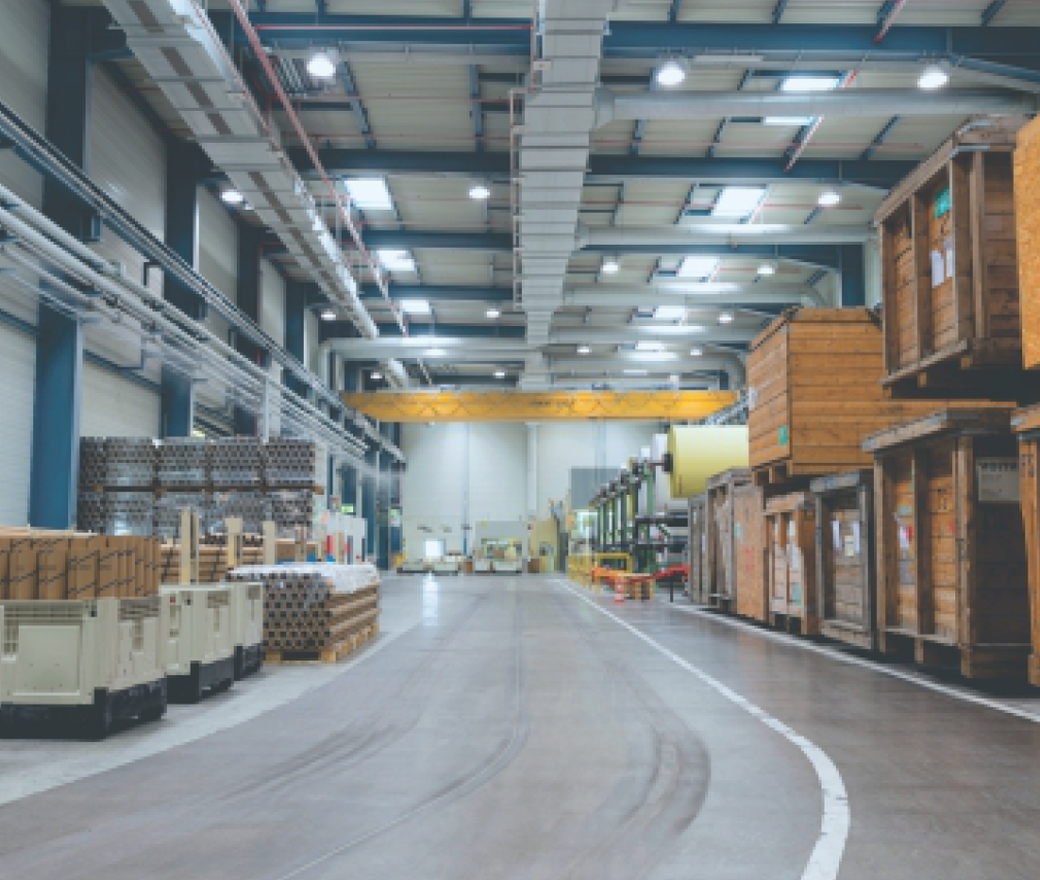
Requirements for Cold Storage Warehouse: 2026 Guide

Explore the requirements for cold storage warehouse design—temperature, humidity, insulation, refrigeration, backup power, safety, and layout. Get expert tips.

Setting up a cold storage warehouse is a complex undertaking. The core requirements for a cold storage warehouse involve precise temperature and humidity control, a high-performance insulated structure, a reliable refrigeration system with backup power, and adherence to strict safety and operational protocols. It’s more than just a big refrigerator; it’s a precisely engineered environment where every detail matters. From the thickness of the walls to the type of lighting used, the specific requirements for cold storage warehouse construction and operation directly impact product quality, safety, and your bottom line.


Whether you’re in the food processing, pharmaceutical, or horticultural industry, understanding these requirements is the first step toward building a facility that works. Let’s break down the essential components, from the controlled atmosphere inside to the robust systems that keep it running.

Part 1: Controlling the Atmosphere

The most fundamental requirement for any cold storage warehouse is maintaining the perfect internal environment. This involves a delicate balance of temperature, humidity, and air quality.

Temperature Control

Precise temperature control is the non-negotiable core of cold storage, representing one of the most critical requirements for cold storage warehouse functionality. It involves keeping stored goods within a very specific temperature range to prevent spoilage and extend shelf life. Most perishable products have narrow safety windows.


  • Chilled Storage: Fresh produce often requires a refrigerated environment just above freezing, around 3°C (38°F).

  • Frozen Storage: For long term preservation, goods are typically kept at minus 18°C (0°F) or even colder.

Even small fluctuations can be disastrous. If temperatures rise above 4°C (40°F), bacterial growth accelerates dramatically. Conversely, holding fresh meat between minus 2°C and 0°C can maximize its shelf life. Achieving this level of precision demands reliable, well calibrated refrigeration systems.

Humidity Control

Just as important as temperature is humidity control, or regulating the relative humidity (RH) in the air. Different products have vastly different needs.


  • High Humidity (85 to 95% RH): Most fresh fruits and vegetables need a moist environment to prevent them from wilting, shriveling, and losing weight.

  • Low Humidity (65 to 75% RH): Items like nuts, cured meats, and certain cheeses require drier air to prevent mold and spoilage.

Getting the humidity wrong causes visible problems. Too dry, and products dehydrate. Too moist, and you get condensation, frost, and mold. Excess humidity also creates operational hazards like slippery floors, ice buildup, and fog, forcing the refrigeration system to work harder and consume more energy.

Ventilation and Air Circulation

Ventilation (exchanging inside air with fresh outside air) and air circulation (moving air within the room) are two distinct but related requirements for cold storage warehouse operations.


  • Ventilation: This process removes unwanted gases like ethylene or carbon dioxide from ripening produce and equalizes air pressure. Dedicated ripening chambers use controlled ethylene dosing to manage these gases. Without it, a freezer can develop a strong vacuum effect after the door is closed, making it difficult to reopen and stressing the building panels.

  • Air Circulation: Internal fans constantly move air to ensure even temperature and humidity distribution, eliminating hot or cold spots. This guarantees that products stored in far corners receive the same quality of air as those right next to the cooling unit.

Air Circulation Rate

The air circulation rate measures how much air is moved by fans over a specific time, often calculated per metric ton of product. This rate is adjusted based on the cooling stage.


  • Initial Pull Down: When warm product is first loaded, a high airflow of around 170 cubic meters per hour (CMH) per ton is needed to remove field heat quickly, especially in blast freezers.

  • Holding: Once the product reaches its target temperature, the rate can be reduced to 34-68 CMH per ton to save energy and prevent over drying.

Modern systems use variable frequency drives (VFDs) on fans to automatically adjust this rate, keeping temperature variations within a tight band, often less than plus or minus 1°C.

CO2 Ventilation Rate

Carbon dioxide (CO2) can build up from respiring produce (fruits and vegetables “breathe” and release CO2). Proper ventilation is needed to keep CO2 levels below a safe threshold, which is crucial for both product quality and worker safety. A common guideline is to maintain CO2 levels below 4,000 parts per million (ppm) by performing 2 to 6 fresh air changes per day. Many facilities install CO2 sensors that automatically trigger ventilation fans when levels rise.

Part 2: Building the Box: The Insulated Structure

A cold storage warehouse is essentially a high performance thermal box. Its ability to maintain temperature efficiently depends entirely on its physical construction, a key part of the overall requirements for cold storage warehouse integrity.

Thermal Insulation Requirement

High quality insulation is fundamental. It slows the flow of heat from the warm outside environment into the cold interior. Since refrigeration runs 24/7, heat gain through the walls, roof, and floor is a major energy consumer. Excellent insulation dramatically reduces the workload on the cooling system, saving significant operational costs. It also prevents condensation on exterior walls and a dangerous phenomenon called frost heave, where moisture in the ground beneath a freezer freezes and expands, causing severe structural damage.

Insulation Material Selection

The choice of insulation material impacts thermal performance, fire resistance, and cost.


  • Polyurethane (PU) and Polyisocyanurate (PIR) Panels: These are the most common choices, offering the best insulation value for their thickness. PIR is a variant of PU with enhanced fire resistance.

  • Expanded Polystyrene (EPS): A more budget friendly option, EPS is lighter but provides less insulation per inch, meaning thicker panels are needed to achieve the same effect.

  • Mineral Wool: While not as thermally efficient, mineral wool is non combustible and is sometimes used in fire rated walls or ceilings.

For a hot climate like South India, high‑performance PUF panels (PU/PIR) are often the best investment. Leading manufacturers like F‑Max Systems produce their own PUF panels in house, ensuring quality control and performance suited to local conditions.

Minimum Insulation Thickness and U Value

Insulation needs are defined by thickness and U value. The U value measures how much heat passes through a material; a lower U value means better insulation. The required thickness depends on the desired temperature and the ambient climate.


  • Chillers (0 to 5°C): Typically require 80 mm thick panels.

  • Freezers (minus 18°C): Often need 100 mm to 120 mm panels.

  • Deep Freeze (minus 30°C): May require 150 mm or even 200 mm thick panels.

Calculating the right U value and corresponding thickness is a critical part of meeting the requirements for cold storage warehouse efficiency.

Vapor Barrier Specification

A vapor barrier is a layer that blocks moisture from entering the insulation. When warm, humid air gets into a cold wall, the moisture condenses and freezes, destroying the insulation’s effectiveness and leading to mold and structural decay. Most modern insulated panels use steel skins that act as a vapor barrier, but the joints between them must be perfectly sealed to create a truly moisture tight envelope.

Pressure Relief Port Provision

Especially in freezers, a pressure relief port is a simple but vital safety device. When a freezer door is opened, warm air rushes in. Once the door is closed, this air cools and contracts, creating a vacuum. This negative pressure can make the door almost impossible to reopen and can even damage the wall panels. A pressure relief port is a small, one way valve that allows air to enter to equalize the pressure, protecting both the structure and the people using it.

Insulated Door Specification

Doors are the biggest potential weak point in a cold room’s insulation. A proper insulated door should have a thick foam core, heavy duty gaskets for an airtight seal, and often, heater wires around the frame to prevent ice from sealing it shut. For busy warehouses, automated high speed doors or air curtains are used to minimize the time the doorway is open, which can cut air infiltration by over 50%.

Part 3: The Heart of the System: Refrigeration and Power

The machinery that creates the cold is the engine of the warehouse. Sizing it correctly and ensuring its reliability are paramount requirements for cold storage warehouse design.

Refrigeration Load Calculation

Before any equipment is chosen, engineers perform a refrigeration load calculation. This process totals up all sources of heat that the system must remove, including:


  • Heat leaking through the walls, roof, and floor.

  • Warm air entering when doors are opened (infiltration).

  • Heat from the products themselves when they are first brought in.

  • Heat generated by lights, equipment, and people inside.

A thorough calculation ensures the system is powerful enough for the hottest days and heaviest loads without being oversized and inefficient.

Ambient Design Condition

This refers to the “worst case” outdoor temperature and humidity the facility is designed to handle. A warehouse in Chennai might be designed for a 40°C ambient temperature, while one in a cooler climate would have a lower design point. The refrigeration system, especially the outdoor condenser unit, must be rated to perform efficiently even at this peak ambient temperature. Systems engineered for India’s climate, like those from F-Max Systems, are often built to withstand extreme ambient conditions reliably.

Refrigeration System and Refrigerant Selection

Choosing the right refrigeration technology and cooling fluid (refrigerant)—including whether to use air-cooled vs water-cooled condensing units—is a major decision.


  • System Type: Large warehouses often use centralized ammonia or CO2 systems, which are highly efficient but complex. Smaller cold rooms typically use simpler “split” systems with HFC or HFO refrigerants.

  • Refrigerant: Environmental regulations are phasing out refrigerants with high global warming potential (GWP). Modern choices lean toward natural refrigerants like ammonia (R717) and carbon dioxide (R744) or new low GWP synthetic blends.

The selection balances temperature needs, efficiency, safety, cost, and regulatory compliance.

Compressor Redundancy and Capacity Control

  • Redundancy: This means having backup compressor capacity. In an N+1 setup, if a system needs two compressors to run, a third is installed as a spare. If one fails, the backup kicks in, preventing catastrophic product loss.

  • Capacity Control: Refrigeration loads vary. Capacity control allows the system to adjust its cooling output to match the real time demand. This is often done using VFDs that change the compressor’s speed. It saves a huge amount of energy and reduces wear on the equipment compared to a system that is just cycling on and off at full power.

Backup Power System

A power outage can be a disaster for a cold storage facility. A single outage can spoil thousands of dollars worth of inventory in just a few hours. Therefore, a backup power system, usually a diesel generator with an automatic transfer switch, is among the most essential requirements for cold storage warehouse resilience.

Part 4: Operations Inside the Warehouse

Once the structure is built and the equipment is running, efficient internal operations are key.

Lighting Requirement

Lighting in a cold room must be efficient and safe. Modern facilities exclusively use LED lighting.


  • Efficiency: LEDs produce very little heat, reducing the load on the refrigeration system. They use up to 75% less energy than older lighting types.

  • Performance: LEDs actually perform better in cold temperatures and last much longer, reducing maintenance.

Fixtures must be vapor tight and rated for damp, cold environments. Paired with motion sensors, they provide light only when needed, maximizing energy savings.

Shelving and Storage System

Proper shelving (or racking) maximizes storage capacity while allowing for critical airflow. Racks must be made of materials that can withstand cold and moisture, like galvanized or stainless steel. The layout of the racks is designed to leave space between pallets and walls, ensuring cold air can circulate freely around every product. Bad airflow creates warm spots and leads to spoilage.

Stacking Practice

How products are stacked on pallets and racks is just as important as the racks themselves. Good stacking practice involves:


  • Leaving air gaps between and around pallets.

  • Not stacking too high to avoid crushing products on the bottom.

  • Following a stable, interlocking pattern to prevent stacks from collapsing.

  • Keeping products away from walls and evaporator fans to avoid blocking airflow.

Grading, Packaging, Marking, and Labeling

Products should be prepared properly before entering storage.


  • Grading: Sorting products by quality ensures only items suitable for long term storage are kept.

  • Packaging: Moisture resistant packaging protects against freezer burn and physical damage.

  • Labeling: Clear labels with product names, batch codes, and dates are essential for inventory management and traceability. This enables a FIFO (First In, First Out) system, ensuring older stock is used first.

Data Logging and PLC Control

Modern cold storage warehouses are run by a “brain” known as a Programmable Logic Controller (PLC).


  • PLC Control: The PLC automates the entire system. It monitors temperature sensors and turns compressors, fans, and defrost heaters on and off to maintain perfect conditions.

  • Data Logging: The system continuously records temperature and other data. This provides a permanent record for quality assurance and regulatory compliance. If temperatures drift out of range, the system automatically sends an alarm via text or email, allowing for immediate action.

These systems are a core part of today’s requirements for cold storage warehouse management, providing precision control and a verifiable audit trail.

Part 5: Safety, Security, and Compliance

A cold storage facility must be a safe and secure environment, compliant with all regulations. Meeting these safety and legal requirements for cold storage warehouse operation is not optional.

Fire and Refrigerant Leak Alarm System

  • Fire Alarms: Specialized smoke or heat detectors rated for low temperatures are installed. Because the insulation panels themselves can be a fire risk, early detection is critical.

  • Refrigerant Leak Alarms: If using refrigerants like ammonia (which is toxic) or CO2 (an asphyxiant), leak detectors are mandatory. These alarms trigger ventilation fans and alert personnel to evacuate.

Fire Suppression System

Because water in standard sprinkler pipes would freeze, freezers use dry pipe sprinkler systems. The pipes are filled with pressurized air, and water is only released into the pipes when a fire is detected. This provides active fire protection without the risk of frozen or burst pipes.

Security Arrangement

Cold stores often contain millions of dollars worth of inventory, making them a target for theft. A robust security arrangement includes:


  • Access Control: Key card or biometric systems to control who can enter.

  • CCTV Surveillance: Cameras monitoring loading docks, aisles, and perimeters.

  • Perimeter Security: Fencing, gated access, and good lighting.

Insurance Coverage

Specialized insurance is vital. This includes property insurance for the building, machinery breakdown insurance for the equipment, and crucially, deterioration of stock insurance to cover the value of goods lost due to a system failure.

Staffing and Managerial Competence

The best facility in the world is only as good as the people running it. Staff must be trained in safety procedures for working in cold environments, proper product handling, and emergency response. Competent managers ensure that maintenance is performed, records are kept, and operations run smoothly.

Accreditation Checklist

Many facilities seek accreditation to standards like ISO 22000 (for food safety) or GDP (Good Distribution Practices for pharmaceuticals). An accreditation checklist is a comprehensive list of criteria covering everything from temperature monitoring and staff training to pest control and documentation. Meeting these standards demonstrates a commitment to quality and is often a requirement for serving major clients.

Storage Worthiness Assessment

This is a periodic audit, either internal or by a third party, to ensure the facility remains fit for purpose. It involves checking the integrity of the insulation, validating equipment performance, reviewing operational procedures, and confirming that the facility can still safely and effectively protect the products stored within.

Part 6: Putting It All Together: The Layout

Cold Store Layout

The physical layout or floor plan is where all these requirements for cold storage warehouse design come together. A smart layout optimizes workflow, space, and energy efficiency.


  • Zoning: Separate rooms for different temperatures (e.g., a chilled ante room leading into a deep freezer) reduce energy loss.

  • Flow: The layout is designed for a logical flow of goods from receiving to storage to shipping via reefer trucks, often supporting a FIFO system.

  • Aisles: Aisle widths are designed to accommodate forklifts and other equipment safely and efficiently.

A well‑planned layout, developed with an experienced provider, ensures that daily operations are as smooth and cost‑effective as possible. If you’re evaluating room sizes and temperature classes, explore our cold storage solutions. For a consultation on designing a facility that meets all these best practices, you can contact the team at F‑Max Systems.

Frequently Asked Questions

The most critical requirements are precise temperature and humidity control, a high quality insulated structure (walls, roof, floor, and doors), and a reliable refrigeration system with backup power. Without these fundamentals, product quality and safety are compromised.

Insulation requirements are based on the temperature difference between the inside and the outside (the ambient design condition). A freezer in a hot climate requires much thicker insulation (a lower U value) than a chiller in a moderate climate. The goal is to minimize heat gain to keep energy costs low.

Redundancy, like having a spare compressor (an N+1 setup), provides a vital safety net. If a primary compressor fails, the backup unit automatically takes over, preventing the temperature from rising and saving the entire inventory from spoilage. It’s a form of insurance against mechanical failure.

Key operational requirements include proper stacking practices to ensure airflow, a robust inventory management system (usually FIFO), regular preventive maintenance of cold rooms, comprehensive staff training on safety and handling procedures, and continuous data logging to monitor and verify environmental conditions.

The layout is extremely important. A well designed layout improves operational efficiency, maximizes storage density, ensures proper airflow for uniform cooling, and enhances worker safety. It integrates all other design requirements into a functional and energy efficient workspace.

Modern security requirements include controlled access (key cards or biometrics), 24/7 CCTV surveillance of key areas like docks and aisles, perimeter fencing with gated entry, and alarms on all doors. These measures are essential to protect high value inventory from theft and tampering.

Yes, depending on the products stored and the location. Food storage facilities often need to comply with food safety standards like HACCP or ISO 22000. Pharmaceutical storage must adhere to Good Distribution Practices (GDP). Additionally, facilities may need fire safety certifications and permits for using certain refrigerants like ammonia.

The best way is to partner with an experienced turnkey provider who understands all aspects of design, engineering, and construction. A specialist company can guide you through every step, from calculating the refrigeration load to designing the optimal layout and ensuring compliance. You can explore customized cold chain solutions to see how expert engineering can meet your specific needs.

🌐 Get Online Quote at www.fmax.in/contact-us

📞 Call +91 94896 08022 to speak with our team.

PUF vs PIR Panels: 2026 Guide to Fire, Thermal & Cost

PUF vs PIR panels: compare fire safety, R-values, cost, lifespan, and code compliance for cold rooms, cleanrooms, and warehouses. Get the 2026 buyer’s guide.

When you’re building a cold storage facility, a cleanroom, or any temperature controlled environment, the choice of insulated panels is one of the most critical decisions you’ll make. Two terms you’ll hear constantly are PUF and PIR. On the surface, they look almost identical: a foam core sandwiched between two metal sheets. But beneath that similar exterior lies a world of difference in performance, safety, and cost.


So, what’s the real story in the puf vs pir panels debate? Think of them as close cousins. Both are fantastic insulators, but they have different strengths. One is the reliable, cost effective workhorse, while the other is the premium, high performance specialist. This guide will walk you through everything you need to know, breaking down the key differences so you can choose the perfect panel for your project.

What Are PUF Panels?

A PUF panel, which stands for Polyurethane Foam panel, is a sandwich panel with a rigid polyurethane foam core. This foam is created by reacting two chemicals (polyols and diisocyanates) that expand and harden, forming a strong, lightweight, and incredibly effective insulating material.


This structure gives PUF panels several key advantages:


  • Excellent Thermal Insulation: Polyurethane foam has a very low thermal conductivity (around 0.024 W/m·K). This means it’s fantastic at stopping heat transfer, keeping the cold in and the heat out.

  • Lightweight and Strong: The foam core has a high strength to weight ratio. This makes the panels easy to handle and install, speeding up construction time without sacrificing structural integrity.

  • Cost Effective: PUF panels are generally more economical upfront compared to other high performance insulators. For large scale projects, this makes them a popular choice for achieving great insulation with a better return on investment.

  • Versatile: Thanks to their balance of cost and performance, PUF panels are the go to choice for a huge range of applications, including agricultural cold storages, industrial warehouses, food processing units, and prefabricated buildings.

In short, a PUF panel (also sometimes called a PUR panel) is the industry standard for reliable and affordable insulated construction where extreme fire resistance is not the primary concern.

What Are PIR Panels?

A PIR panel, or Polyisocyanurate panel, is a premium type of insulated sandwich panel. Think of it as an enhanced, next generation version of a PUF panel. The core is made from polyisocyanurate foam, which is produced using a similar chemistry to polyurethane but with a different ratio of chemicals. This tweak creates a foam with a fundamentally different molecular structure, giving it superior performance characteristics.


Key characteristics of PIR panels include:


  • Superior Fire Resistance: This is the biggest advantage of PIR. The chemical structure of PIR foam is highly stable and cross linked. When exposed to fire, it doesn’t melt or drip; instead, it forms a protective layer of char that self extinguishes and slows the fire’s spread.

  • Higher Thermal Stability: PIR foam can withstand much higher temperatures than PUF foam. It remains stable up to around 200°C, whereas standard PUF begins to degrade around 110°C. This makes it more resilient in a fire or in high heat environments.

  • Slightly Better Insulation: PIR foam has a thermal conductivity as low as 0.022 W/m·K, making it a slightly more efficient insulator than PUF. This means you can achieve the same level of insulation with a thinner PIR panel, saving valuable space.

  • Ideal for Critical Applications: Because of its fire safety and durability, PIR is the preferred choice for projects with strict building codes or high safety requirements, such as pharmaceutical facilities, data centers, and chemical plants.

Essentially, a PIR panel is chosen when safety, long term performance, and regulatory compliance are more important than minimizing the initial project cost.

PUF vs PIR Panels: The Core Differences

While they look alike, the core differences between PUF and PIR panels come down to chemistry, which in turn affects their performance in the real world. Let’s explore the details.

Chemical Composition

The fundamental distinction in the puf vs pir panels comparison lies in their chemical makeup.


  • PUF (Polyurethane): Created with a balanced, roughly 1 to 1 ratio of polyol and isocyanate. This reaction forms urethane linkages, creating the strong, insulating foam we know as polyurethane.

  • PIR (Polyisocyanurate): Formulated with a significant excess of isocyanate. This extra chemical reacts with itself to form incredibly strong, stable isocyanurate rings. These rings create a heavily cross linked structure that gives PIR its signature heat and fire resistance.

So, while both are polyurethane based, PIR is a chemically modified version that prioritizes thermal stability and fire performance.

Manufacturing Process

Both PUF and PIR panels are made on continuous production lines where liquid foam is injected between metal sheets. However, the process requires different settings.


PIR production is more complex. The chemical reaction generates more heat and requires special catalysts to control the formation of both urethane and isocyanurate structures. This demands tighter quality control and more expertise, which contributes to its higher cost. PUF manufacturing is a more straightforward and established process, making it more widely available and economical.


As a manufacturer of cold chain solutions, F-Max Systems has mastered the production of high quality PUF panels in its own Coimbatore facility. This in house capability ensures consistent quality and cost effectiveness for clients across South India. Explore our products.

Performance Showdown: A Detailed PUF vs PIR Panel Comparison

How do these differences in chemistry and manufacturing translate to real world performance? Let’s break down the most important factors in the puf vs pir panels matchup.

Fire Resistance

This is the most critical differentiator.


  • PUF Panels: Standard polyurethane foam is combustible. It can be treated with flame retardants to achieve a B2 fire rating (normally combustible, may self extinguish), but it can still melt, drip, and contribute fuel to a fire.

  • PIR Panels: PIR foam is inherently fire retardant. It typically achieves a B1 rating, meaning it self extinguishes almost immediately once a flame source is removed. Its tendency to char instead of melt provides a protective barrier, significantly slowing the spread of fire.

Winner: PIR panels, by a large margin.

Thermal Performance

Both are excellent insulators, but PIR has a slight edge.


  • PUF Panels: Offer an R value of about 5.5 to 6.0 per inch of thickness.

  • PIR Panels: Provide a slightly higher R value, typically around 6.0 to 6.5 per inch.

This 8 to 12% improvement in thermal efficiency means that for the same insulation target, a PIR panel can be slightly thinner. Over a massive refrigerated warehouse, this small difference can add up to noticeable energy savings over time.


Winner: PIR panels, though the advantage is marginal for many applications.

Temperature Tolerance

PIR can handle the heat far better than PUF.


  • PUF Panels: Stable for continuous use up to about 100°C to 110°C. Beyond this, the foam structure begins to break down.

  • PIR Panels: Remain structurally and thermally stable up to around 180°C to 200°C.

This superior heat tolerance is crucial not only in fire scenarios but also in industrial settings where panels might be installed near heat generating equipment.


Winner: PIR panels.

Smoke Emission

In a fire, smoke is often more dangerous than the flames.


  • PUF Panels: When ignited, polyurethane foam can produce thick, dense, dark smoke containing toxic gases.

  • PIR Panels: Because it chars and burns more slowly, PIR foam produces significantly less smoke. This improves visibility and allows more time for safe evacuation.

This low smoke characteristic is a major reason why PIR is mandated in many public and high occupancy buildings. The puf vs pir panels choice directly impacts life safety.


Winner: PIR panels.

Structural Stability

Under normal conditions, both panels are structurally sound. The metal skins provide most of the strength, with the foam core offering rigidity.


However, under heat, the story changes. A PUF panel will lose its structural integrity quickly in a fire as the foam softens and burns away. A PIR panel, thanks to its charring action, can maintain its structural form for a longer period, contributing to the building’s overall stability during a fire.


One minor point is that PIR foam is more brittle, requiring slightly more careful handling during installation to prevent the core from cracking.


Winner: PIR panels, especially for fire integrity.

Durability and Longevity

Both panel types are built to last, but PIR’s robust chemistry gives it an edge.


  • PUF Panels: A well installed PUF panel system has an expected service life of about 15 to 20 years.

  • PIR Panels: Generally have a longer expected lifespan of 20 to 25 years.

PIR is also more resistant to moisture ingress, which helps it maintain its insulating properties and structural integrity over decades, especially in humid climates.


Winner: PIR panels.

Practical Considerations for Your Project

Beyond technical performance, real world factors like cost, insurance, and regulations will influence your decision.

Cost and Return on Investment (ROI)

  • PUF Panels: Offer a lower initial cost, making them the preferred choice for budget conscious projects. The immediate savings on materials can be substantial, especially for large facilities.

  • PIR Panels: Cost anywhere from 10% to 20% more upfront. However, this higher initial investment can deliver a better long term ROI through lower insurance premiums, longer lifespan, and potentially lower energy costs.

The puf vs pir panels cost debate is about upfront savings versus long term value.

Insurance Impact

Insurers see PUF panels as a higher fire risk. Consequently, buildings constructed with standard PUF insulation often face higher insurance premiums. By using fire retardant PIR panels, you can significantly reduce your fire risk profile, which often leads to lower annual premiums. Over the life of the building, these savings can help offset the higher initial cost of PIR.

Regulatory Compliance

Building codes are getting stricter about fire safety. In many regions, regulations now mandate the use of fire retardant or non combustible insulation like PIR for certain types of buildings, especially large warehouses, public facilities, and high risk industrial plants. Choosing PIR from the start can simplify the approval process and ensure your facility is future proof against tightening regulations.

Installation and Maintenance

The installation process for both panel types is nearly identical (see our cold room installation step-by-step guide), often using cam lock or tongue and groove systems for quick assembly. Maintenance is also the same and involves inspecting joints and repairing any damage to the metal skins to protect the foam core. The only minor difference is that installers need to handle PIR panels with a bit more care due to their brittleness.

Sustainability and Environmental Impact

Both PUF and PIR are petrochemical based foams, so their primary environmental benefit comes from the massive energy savings they provide over a building’s lifetime. Modern panels use blowing agents with zero ozone depletion potential and low global warming potential. PIR has a slight edge in sustainability because its higher efficiency allows for using less material, and its inherent fire resistance often eliminates the need for added chemical flame retardants.

Which is Right for You? Application Suitability by Industry

The best choice often depends on your industry’s specific needs and priorities.


  • Food & Beverage Cold Storage: PUF panels are very common due to their cost effectiveness. They are perfect for fruit, vegetable, and dairy cold storages where budget is a key driver.

  • Pharmaceutical & Healthcare: These sectors demand the highest safety standards. PIR panels are almost always the right choice for pharma warehouses, vaccine storage, and cleanrooms.

  • Chemical & Oil & Gas: In high hazard environments, there is no compromise. PIR or mineral wool panels are essential for safety and compliance.

  • Logistics & General Warehousing: This is a mixed bag. PUF is common in smaller or older facilities, but large, modern distribution centers are increasingly using PIR to reduce risk and satisfy insurers. For design and operational best practices, see our cold chain warehouse guide.

  • Agriculture & Horticulture: Cost is a major factor, making PUF the predominant choice for ripening chambers, seed storages, and floriculture cold rooms.

F-Max Systems has extensive experience across these sectors, from equipping dairy plants with economical PUF panel cold rooms to providing high specification solutions for pharmaceutical clients. Get a custom cold-room quote tailored to your industry’s needs.

Making the Final Call: Selection Criteria for PUF vs PIR Panels

Deciding between puf vs pir panels comes down to answering a few key questions about your project:


  1. What is your primary priority? If it’s minimizing upfront cost, PUF is the clear leader. If it’s maximizing safety, durability, and compliance, PIR is worth the investment.

  2. What do your building codes and insurer require? This can often make the decision for you. If they mandate a fire retardant panel, you need PIR.

  3. What is the application? For a high value or high risk facility like a pharma lab or data center, PIR is the only sensible option. For a simple agricultural storage shed, PUF is likely sufficient.

  4. What is your long term vision? If you are building a facility to last for 25+ years, PIR’s enhanced durability and potential for lower lifetime costs (insurance, energy) make a compelling case.

Ultimately, both PUF and PIR are excellent products. The right choice depends on a careful balance of your project’s budget, risk tolerance, and operational requirements. Consulting with an expert can help you navigate these factors.


At F-Max Systems, we help clients make this choice every day. We can provide a detailed cost benefit analysis for both options, ensuring you get a solution that is safe, efficient, and perfectly aligned with your business goals. Ask F-Max for a recommendation.

Frequently Asked Questions About PUF vs PIR Panels

The main difference is fire resistance. PIR panels have a chemically modified core that forms a protective char when exposed to fire, making them self extinguishing and far safer than standard PUF panels, which can burn and melt.

It depends on your priorities. If your project involves strict fire codes, high value contents, or public access, the enhanced safety, lower insurance premiums, and longer lifespan of PIR panels are often well worth the higher initial cost. For budget driven projects with lower fire risk, PUF is a very effective and economical choice.

Both are excellent for cold storage. The puf vs pir panels choice for cold storage often comes down to scale and risk. PUF is widely used and provides great thermal performance for the cost. PIR is preferred for very large facilities, or those storing high value goods, where fire safety and insurance considerations are paramount.

Yes, absolutely. A hybrid approach is a smart way to balance cost and safety. You can use more expensive PIR panels in high risk areas (like around machinery or as firebreak walls) and use cost effective PUF panels for the rest of the facility.

The price difference varies, but PIR panels are typically 10% to 20% more expensive than PUF panels of the same thickness. This is due to the more costly raw materials and more complex manufacturing process.

Yes, but only slightly. PIR panels have a marginally better R value per inch than PUF panels. This means they are about 8 to 12% more thermally efficient, which can lead to small energy savings or allow for thinner walls to achieve the same insulation level.

PIR panels generally have a longer service life. Industry estimates suggest PIR can last 20 to 25 years, while PUF lasts around 15 to 20 years. This is due to PIR’s greater chemical and thermal stability.

Both are plastic foams derived from petrochemicals, but their biggest environmental contribution is reducing energy consumption. PIR has a slight edge as its superior efficiency can mean using less material, and its inherent fire resistance reduces the need for potentially harmful flame retardant additives.

🌐 Get Online Quote at www.fmax.in/contact-us

📞 Call +91 94896 08022 to speak with our team.
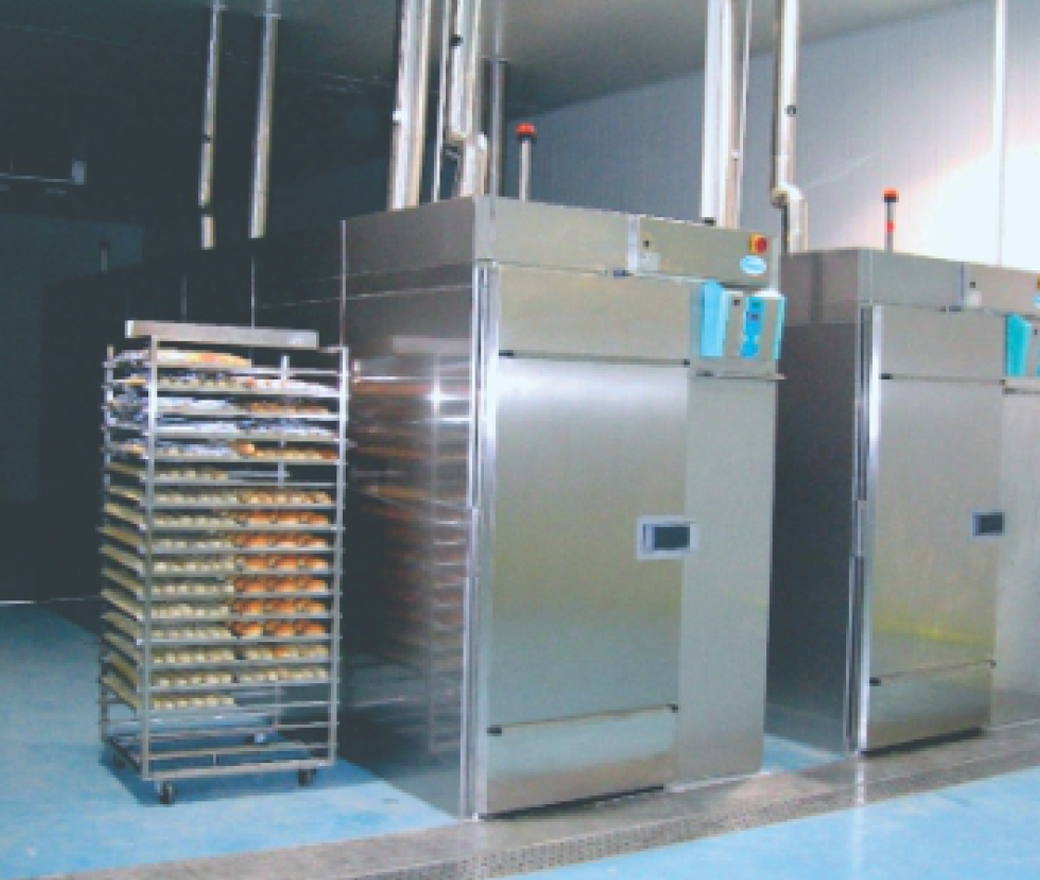
IQF Freezing: How It Works, Freezer Types & Benefits (2026)

Learn what IQF is and why it matters. Explore how rapid freezing works, fluidized bed vs spiral freezers, key specs, hygiene, and benefits. Read the 2026 guide.

If you’ve ever poured a bag of frozen peas and had them tumble out as separate, perfect little spheres instead of a solid icy block, you’ve experienced the magic of IQF. This technology, known as Individual Quick Freezing, has completely changed the game for the frozen food industry. It’s a method that preserves the taste, texture, and nutritional value of food far better than traditional freezing methods.


Let’s dive into what makes this technology so special, from how it works to the equipment that makes it happen.

How Does IQF Work? The Science Behind Superior Freezing

At its core, the working principle of IQF is simple yet brilliant. It’s a rapid freezing technique where every single piece of food is frozen separately and very quickly.


Imagine sending small food items, like berries, shrimp, or diced vegetables, through a freezing tunnel or zone. Inside, they are blasted with frigid air from high‑ambient refrigeration units, typically between –30°C and –40°C. This intense cold freezes each item solid in a matter of minutes. In fact, depending on the product’s size and water content, the entire IQF process can take as little as 3 to 12 minutes.


This ultra fast freeze is the key. When water freezes slowly, it forms large, jagged ice crystals that can pierce and damage the food’s cellular walls. This is why traditionally frozen food can turn mushy upon thawing. With an IQF system, the water freezes so fast that it forms tiny micro crystals, which cause minimal cell damage. The result? Food that retains its natural texture, flavor, and nutrients when you’re ready to cook it. By keeping each piece separate, IQF also eliminates clumping, making portioning and handling incredibly easy.

Common Types of IQF Freezers

While the principle is the same, different types of freezers are used to achieve IQF, each suited for different products. The two most common are fluidized bed and spiral freezers.

Fluidized Bed IQF Freezers

A fluidized bed IQF freezer is specially designed for small, lightweight, and uniform products like peas, corn, or small berries. The magic here is in the airflow. Products are placed on a perforated conveyor belt, and a powerful stream of cold air is blown upwards from below.


This high velocity air is strong enough to lift and suspend the food items, making them “float” and tumble as if they were in a fluid. This process, called fluidization, ensures that every single piece is surrounded by cold air on all sides, leading to incredibly fast and even freezing. Because each item is constantly moving and separated by the air, there is no chance for them to stick together. This method is exceptionally efficient for achieving true individual quick freezing for particulate foods.

Spiral IQF Freezers

When you need to freeze larger volumes or different types of products, a spiral IQF freezer is often the answer. This clever design uses a long conveyor belt that winds up or down in a spiral shape inside a compact, insulated chamber.


This vertical design is extremely space efficient. A spiral freezer might process over 2,000 kg of food per hour in a footprint of just 10 to 16 square meters. A traditional tunnel freezer would need a much larger area to achieve similar results. As products travel along the spiral, cold air is circulated uniformly across all tiers, ensuring consistent freezing. Spiral freezers are incredibly versatile, handling everything from meat patties and poultry pieces to seafood fillets and prepared meals. They are the workhorses of many high volume food processing plants (see real‑world installations in the F‑Max project gallery).

For businesses in South India looking to optimize their production floor, F‑Max Systems can engineer space‑saving freezer solutions that deliver the principles of rapid, even freezing without requiring a massive facility expansion. Learn more about their custom blast freezer solutions. Have a project in mind? Contact the team.

The Many Applications of IQF Technology

The use of IQF technology spans across the entire food industry. Anywhere quality, convenience, and preservation are top priorities, you’ll likely find an IQF system at work.


  • Fruits and Vegetables: Berries, mango chunks, peas, corn, and green beans are frozen at peak ripeness, locking in their flavor and vitamins for year round enjoyment.

  • Seafood and Meat: IQF is essential for products like shrimp, scallops, fish fillets, and chicken pieces. Freezing them individually prevents sticking and allows chefs to use only what they need.

  • Dairy and Cheese: Shredded or grated cheese is a perfect example. IQF keeps the individual shreds separate, making them easy to sprinkle.

  • Prepared Foods: Pasta, dumplings, French fries, and other ready to cook meals rely on IQF to maintain their shape and quality.

In a developing cold chain like India’s, IQF has become a vital tool for the seafood export, poultry, and horticulture sectors, helping them meet global quality standards. For last‑mile distribution, reefer trucks help maintain temperature integrity from plant to market.

Why Hygiene and Sanitation are Crucial in IQF Systems

Because IQF equipment is in direct contact with food, it must be designed for uncompromising hygiene. Modern systems are built with sanitation as a top priority.


Most high‑quality IQF freezers are constructed from food‑grade stainless steel (like SS304) and insulated PUF panels, which are non porous, corrosion resistant, and easy to clean. Designs feature smooth, rounded surfaces and welds to prevent food particles and bacteria from getting trapped.


Many systems also offer automated Cleaning In Place (CIP) systems. These use high pressure nozzles to wash, rinse, and sanitize the freezer’s interior without manual disassembly, saving time and ensuring a consistent, thorough clean. Paired with sloped floors for proper drainage, these features help food processors meet strict safety standards like HACCP and FSSAI.

Key Technical Specifications of an IQF Freezer

IQF freezers are powerful machines engineered for performance. Here are a few key technical specifications:


  • Operating Temperature: They typically operate at very low temperatures, from –30°C to –40°C, to ensure freezing happens as quickly as possible.

  • Freezing Time: Most products are fully frozen in just 3 to 12 minutes.

  • Capacity: Throughput can range from a few hundred kilograms per hour in smaller units to over 5,000 kg/h in large industrial spiral freezers.

  • Refrigerant: Large industrial systems often use ammonia (R717) for its high efficiency in heavy duty applications. If you’re choosing between air‑cooled and water‑cooled condensing units, read this air‑cooled vs water‑cooled condensing unit guide.

  • Controls: Modern IQF systems use PLC controls with touchscreens, allowing operators to precisely adjust belt speed, temperature, and airflow for different products. Some even use cryogenic gases like liquid nitrogen for ultra rapid freezing of high value items.

The Unbeatable Benefits of IQF Foods

The popularity of IQF isn’t just about processing efficiency, it’s about delivering a superior final product. The benefits are significant for both businesses and consumers.


  • Superior Quality: By preventing large ice crystals, IQF preserves the food’s original texture, flavor, and color. Thawed products are remarkably close to their fresh state.

  • Nutrient Retention: The quick freeze locks in vitamins and nutrients that would otherwise degrade over time. IQF produce is often just as nutritious as fresh.

  • Ultimate Convenience: Products are free flowing and don’t clump together. This allows for perfect portion control, as you can take out exactly what you need.

  • Reduced Food Waste: Easy portioning means less leftover food is thrown away. At the production level, it allows processors to preserve perishable harvests, reducing spoilage in the supply chain.

  • Extended Shelf Life: Properly stored in a well‑designed cold storage, IQF products can last for 18 to 24 months without a significant drop in quality.

  • Enhanced Food Safety: The rapid drop in temperature effectively halts the growth of harmful microorganisms, leading to a safer product.

Enhancing Your System: Optional Accessories for IQF Freezers

To further boost efficiency and tailor a system to specific needs, manufacturers offer a range of optional accessories.


  • Automatic Defrost Systems: These systems use methods like compressed air or hot gas to remove frost buildup on evaporator coils without stopping production, extending run times.

  • Product Glazing Units: Often used for seafood, these units spray a thin protective layer of ice over the frozen product to prevent dehydration and freezer burn during storage.

  • Infeed and Outfeed Conveyors: Vibratory feeders can spread product evenly onto the belt, while specialized outfeed conveyors can gently lower frozen items to packaging lines.

Choosing the right combination of features and accessories is key to maximizing performance. A custom engineered approach ensures your freezing line is hygienic, efficient, and perfectly suited to your operation. For a truly tailored freezing solution, it’s best to consult with experts who understand both the technology and your specific product needs. For businesses in India, F‑Max Systems provides custom cold chain equipment that incorporates these advanced principles. Explore the full range of products.

Frequently Asked Questions about IQF

IQF stands for Individual Quick Freezing. It’s a food preservation method where each piece of food is frozen separately from all the others.

The biggest differences are speed and final product quality. IQF freezes food in minutes, creating tiny ice crystals that preserve texture and nutrients. Regular (or bulk) freezing is much slower, forming large ice crystals that damage food cells, often resulting in a mushy texture upon thawing and clumping items into a solid block.

IQF is ideal for any small, piece based food. This includes fruits (berries, mango cubes), vegetables (peas, corn, diced carrots), seafood (shrimp, scallops), poultry pieces, and prepared items like French fries or pasta.

Yes. Because the process is so fast, it does an excellent job of locking in the vitamins and minerals present in the food at the time of freezing. IQF frozen fruits and vegetables can be just as nutritious as their fresh counterparts.

The freezing time in an IQF system is very short, typically ranging from 3 to 12 minutes, depending on the size, shape, and water content of the food being frozen.

IQF freezers operate at extremely cold temperatures to facilitate rapid freezing. The air temperature inside is usually maintained between –30°C and –40°C (–22°F to –40°F).

🌐 Get Online Quote at www.fmax.in/contact-us

📞 Call +91 94896 08022 to speak with our team.

CA Storage Apples: 2026 Guide to Shelf Life and Quality

Learn how CA storage apples stay crisp up to 12 months with precise O2/CO2 control, rapid pulldown, 1-MCP, and airflow design. Get tips and safety essentials.

Ever wonder how you can buy a crisp, juicy apple in April, months after the fall harvest? The secret isn’t magic, it’s science. It’s a remarkable technology called Controlled Atmosphere (CA) storage. This method puts apples into a state of hibernation, dramatically slowing down their aging process and preserving that just picked quality for an astonishingly long time.


So, how does it work? Let’s dive into the complete world of ca storage apples and uncover the processes that keep our favorite fruit fresh, firm, and flavorful.

What Are CA Storage Apples, Really?

At its core, the technique for ca storage apples is a sophisticated one that modifies the air inside a sealed, refrigerated room. Normal air is about 21% oxygen. In a CA room, the oxygen is reduced to a tiny 1 to 3%, while carbon dioxide is slightly increased. This, combined with near freezing temperatures, puts the apples’ metabolism into slow motion.


This process allows apples to be stored for 9 to 12 months, a huge leap from the 2 or 3 months they might last in a standard cold room. The result is better firmness, color, and flavor, giving growers the ability to supply high quality apples year round.

The Science of the Atmosphere: Oxygen and Carbon Dioxide

Managing the air is a delicate balancing act. Getting it wrong can ruin the entire crop, which is why precision is key.

Oxygen Concentration Management

The main goal here is to lower the oxygen level enough to slow the apple’s breathing (respiration) without stopping it completely. Operators flush the room with nitrogen to push out the oxygen, bringing it down from 21% to that target of 1 to 3%.


It’s a fine line to walk. If oxygen drops too low (below 1%), the apples switch to anaerobic respiration, a process similar to fermentation. This can produce alcohol and other off flavors, leading to low oxygen injury and making the fruit unsellable.

Carbon Dioxide Concentration Management

As apples breathe, they release carbon dioxide (CO2). A little extra CO2 in the room (around 1 to 3%) helps slow down ripening even more. However, too much CO2 is toxic to the fruit, causing a physiological disorder called CO2 injury, which often appears as internal browning.


To prevent this, CA facilities use CO2 scrubbers, which are systems that absorb excess carbon dioxide from the air. This keeps the CO2 level in that beneficial, but safe, range.

The Journey of CA Storage Apples: From Orchard to Long Term Storage

Achieving perfect ca storage apples isn’t just about the room itself. It’s a meticulous process that begins the moment the apple is picked and continues through temperature‑controlled transport.

1. Harvest at the Perfect Time

You can’t store a bad apple and expect it to get better. For long term CA storage, apples must be harvested at peak maturity but before they are fully ripe. This stage, called pre climacteric, is when the fruit has high firmness and starch reserves but hasn’t yet started its final ripening surge. Picking too early means poor flavor, while picking too late means the apple won’t have the stamina for long term storage.

2. Pre Cooling is Non Negotiable

Apples coming in from the orchard are warm. This “field heat” must be removed as quickly as possible. Pre cooling is the process of bringing the fruit’s core temperature down to its ideal storage temperature (around 0°C or 32°F) within 24 hours using a well‑engineered cold room. This step immediately slams the brakes on ripening and is essential before sealing the CA room.

3. Rapid Oxygen Pulldown

Once the apples are cooled and the room is sealed, the clock is ticking. Best practices call for a rapid oxygen pulldown, where the oxygen level is dropped to its target within 24 to 48 hours using nitrogen flushing. A fast pulldown can cut the fruit’s ethylene (the ripening hormone) production by 50 to 70%, effectively locking in its just harvested condition.

4. Continuous Gas Concentration Maintenance

The work doesn’t stop once the atmosphere is set. A modern CA storage facility uses a network of sensors and automated systems to continuously monitor and maintain the gas concentrations.


An integrated control system tracks oxygen and CO2 levels 24/7.


  • If oxygen creeps up, the nitrogen generator kicks in.

  • If CO2 gets too high, the CO2 scrubber activates.

This automated feedback loop ensures the environment inside remains perfectly stable for months on end. For businesses looking to achieve this level of precision, partnering with an experienced provider is crucial. Custom cold storage solutions from F‑Max Systems are designed with this advanced automation to guarantee optimal conditions for high‑value crops.

The Tangible Benefits of CA Storage Apples

Why do growers invest in this complex technology? The payoff is significant, impacting everything from fruit quality to market strategy.


  • Dramatically Extended Shelf Life: The primary benefit is the ability to store apples for up to a year, turning a seasonal product into a year round staple.

  • Superior Firmness Retention: CA storage is incredibly effective at slowing the enzymes that break down cell walls. This means apples come out of storage remarkably crisp and firm, not soft or mealy.

  • Preserved Flavor and Nutrition: By slowing metabolism, CA storage helps apples retain their sugars (Total Soluble Solids or TSS) and tartness (acidity). It also helps preserve phenolic compounds, which are valuable antioxidants.

  • Reduced Weight Loss: Combined with high humidity (90 to 95%), the CA environment minimizes moisture loss, preventing apples from shriveling and ensuring they remain juicy and heavy.

  • Market Stability: Growers can sell their harvest over a longer period, avoiding a market glut right after picking and stabilizing prices for both producers and consumers.

Not All Apples Are Created Equal: Cultivar Specific Needs

You can’t use a one size fits all approach for ca storage apples. Different varieties have unique needs.


  • Honeycrisp is famously sensitive to CO2 and can be injured by levels as low as 1%. It requires very aggressive CO2 scrubbing.

  • Fuji apples also dislike high CO2 and may benefit from a delayed CA start, where they are held in regular cold air for a few weeks before the atmosphere is modified.

  • Gala apples are prone to softening, so they benefit from very low ethylene levels in addition to standard CA conditions.

  • Granny Smith and Red Delicious are hardier and can often be stored successfully for 10 months or more under optimal CA conditions.

Storage operators must use variety specific storage parameters, carefully tailoring the oxygen, CO2, and temperature setpoints to match the cultivar being stored.

A Powerful Ally: 1-Methylcyclopropene (1-MCP)

To boost the effects of CA, many operators use a compound called 1-Methylcyclopropene, or 1 MCP. This is an ethylene inhibitor. Ethylene is the natural hormone that tells an apple to ripen. 1 MCP essentially blocks the apple’s ability to “hear” the ethylene signal.


Treating apples with 1 MCP before storage can add another 2 to 4 months of high quality life. It’s an incredibly powerful tool for maintaining firmness, but it also makes some varieties even more sensitive to CO2 injury, requiring careful adjustments to the storage atmosphere.

Building for Success: Facility Design and Airflow

A CA storage room is more than just a cold box; it’s a high performance, hermetically sealed chamber.

Facility Design and Airtightness

The foundation of any successful ca storage apples facility is airtightness. The room must be constructed with sealed, insulated panels (often PUF panels with cam lock joints) and gas tight doors. Any leaks will let oxygen in and compromise the entire environment. Before use, rooms are often pressure tested to ensure they can hold the modified atmosphere. Building a truly airtight facility is a specialized skill. Manufacturers like F‑Max Systems India Pvt. Ltd. fabricate their own PUF panels and doors to ensure the tight seal necessary for effective CA storage.

Packing and Airflow Uniformity

Inside the room, apples are packed in large bins. These bins must be stacked to allow for uniform airflow. Without good circulation, “microclimates” can form. Pockets of stagnant air could lead to low oxygen spots (causing fermentation) or high CO2 spots (causing browning). A well‑designed system ensures every single apple in the room experiences the same temperature and atmosphere; if you’re planning a facility, this complete guide to cold‑chain tech and operations is a helpful starting point.

Common Problems and How to Avoid Them

Even with advanced technology, things can go wrong. Two of the biggest risks in ca storage apples are injuries from too much CO2 or too little oxygen.

CO2 Injury in CA Storage

This happens when carbon dioxide levels get too high for a specific apple variety. It typically causes internal browning, especially around the core, and can create off flavors. It’s most common early in the storage period when the fruit is respiring heavily. Prevention is all about control: using CO2 scrubbers, ensuring good air circulation, sometimes delaying the sealing of the room, and sticking to a preventive maintenance schedule.

Low Oxygen Injury in CA Storage

This occurs when oxygen levels fall below the critical threshold (usually around 0.5% to 1%). The apple’s cells suffocate and begin to ferment, producing an alcoholic taste and causing brown, water soaked tissues inside the fruit. This is avoided by setting a minimum oxygen level and having reliable sensors and control systems to prevent the O2 from ever dropping into the danger zone.

CA Technology and Ethylene Management

The magic of CA storage is powered by sophisticated technology.

CA Technology and Automation

Modern CA facilities are highly automated. Pairing this control layer with reliable, high‑ambient‑ready refrigeration units keeps temperature and humidity rock‑steady.


  • Nitrogen Generators create nitrogen on site to flush oxygen.

  • CO2 and Ethylene Scrubbers actively remove harmful gases.

  • A Central Computer with an array of sensors acts as the brain, constantly monitoring the environment and making micro adjustments.

  • Remote Monitoring allows operators to check conditions and receive alarms on their phones or computers, ensuring peace of mind.

Ethylene Management

As the ripening hormone, ethylene is the enemy of long term storage. Even in a cold, low oxygen environment, ethylene buildup can cause apples to soften. To combat this, CA facilities use ethylene scrubbers, which are devices that use a heated catalyst or special filters to destroy ethylene molecules, keeping levels in the room below 1 part per million.

CA Storage vs. Regular Refrigerated Storage

So what’s the bottom line difference between the two?

Feature

Regular Refrigerated Storage

Controlled Atmosphere (CA) Storage

Atmosphere

Normal air (21% O2)

Modified air (1 to 3% O2)

Storage Life

2 to 4 months

6 to 12 months

Firmness

Softens steadily over time

Remains very firm for much longer

Flavor

Acidity and sugars decline faster

Acidity and sugars are better preserved

Cost

Lower initial and operating costs

Higher initial and operating costs

Complexity

Simple to operate

Requires specialized equipment and expertise

Regular refrigeration is great for short term holding, but for preserving that peak harvest quality for months on end, ca storage apples is the undisputed champion. It’s an investment that pays for itself by enabling year round sales of premium quality fruit.

A Note on CA Room Safety

The atmosphere for ca storage apples that keeps them fresh is lethal to humans. The low oxygen (1 to 2%) and high carbon dioxide can cause a person to lose consciousness in seconds. Because of this, strict safety protocols are mandatory. No one should ever enter a sealed CA room. Before entry, the room must be completely ventilated back to normal, breathable air, a process confirmed with oxygen sensors. Safety is the number one priority.

Frequently Asked Questions about CA Storage for Apples

Depending on the variety and conditions, apples can last anywhere from 6 to 12 months in CA storage, compared to just 2 to 4 months in regular refrigeration.

CA storage is excellent at preserving the primary tastes of sweetness (sugars) and tartness (acids). However, over very long storage periods (8+ months), some of the more subtle aromatic compounds can diminish, making the apple taste slightly less fragrant than a fresh one, though its texture will be far superior to an apple stored in regular air for that long.

CA storage is a natural process that uses gases already present in the air (oxygen, carbon dioxide, and nitrogen) to slow ripening. It is very safe for the fruit. Sometimes, operators use 1 MCP, a gas that blocks the fruit’s ripening hormone, but it is applied once at the beginning of storage and dissipates, leaving no residue.

ULO stands for Ultra Low Oxygen. It is a type of CA storage where the oxygen levels are pushed to the absolute lowest safe limit, often around 0.8% to 1.2%. ULO can provide even better firmness retention but requires more precise monitoring to avoid low oxygen injury.

An airtight room is essential to maintain the precise, low oxygen atmosphere. Any leaks would allow outside air (with 21% oxygen) to seep in, disrupting the controlled environment, forcing the equipment to work harder, and ultimately reducing the quality and storage life of the apples.

Yes, CA storage is widely used for organic apples. The process itself doesn’t involve adding any prohibited substances; it’s simply a manipulation of the natural atmosphere. It’s an effective way to extend the marketing season for organic fruit without synthetic preservatives.

If you are in the food processing, horticulture, or distribution business and looking to leverage the power of advanced postharvest technology, getting the right infrastructure is key. For businesses in South India and beyond, F‑Max Systems specializes in designing and installing state‑of‑the‑art CA storage facilities and other cold chain solutions. Explore their custom refrigeration options or contact the F‑Max team to maximize the freshness and profitability of your products.

🌐 Get Online Quote at www.fmax.in/contact-us

📞 Call +91 94896 08022 to speak with our team.
Air Cooled vs Water Cooled Condensing Unit: 2026 Pros & Cons

Compare efficiency and costs in the air cooled vs water cooled condensing unit choice. Get 2026-ready insights and selection tips to pick the right system.

When comparing an air cooled vs water cooled condensing unit, the right choice depends entirely on your priorities. For large-scale industrial applications, water-cooled units deliver superior energy efficiency and more stable performance. However, air-cooled systems offer a simpler, more cost-effective solution with a lower upfront investment, making them ideal for smaller operations or in regions where water is scarce. This decision will impact everything from your budget to your monthly electricity bills, especially in the demanding climate of South India.


This guide breaks down the comparison across key factors like efficiency, cost, and maintenance to help you determine which technology is the smart, informed choice for your business.

What is an Air Cooled Condensing Unit?

An air cooled condensing unit is a refrigeration component that uses the surrounding air to cool down and condense hot refrigerant gas back into a liquid. Think of the outdoor unit of a typical home air conditioner. A large fan blows ambient air across a series of finned coils containing the hot refrigerant, transferring the heat from the refrigerant into the atmosphere.

These units are popular because they are self contained. They don’t require any water hookups or complex plumbing, which makes installation simpler and keeps the initial cost down. This simplicity makes them a common choice for smaller applications like residential AC, walk in coolers, and businesses where water is either unavailable or expensive.

What is a Water Cooled Condensing Unit?

A water cooled condensing unit uses water instead of air as its cooling medium. In these systems, the hot refrigerant gas passes through a heat exchanger (often a shell and tube or plate type) where it transfers its heat to circulating water. This heated water is then pumped to an external device, usually a cooling tower, to release the heat.


Because water is much better at absorbing and transporting heat than air, water cooled units are incredibly efficient. This makes them the go to choice for large scale commercial and industrial applications like food processing plants, high rise buildings, and large cold storage warehouses where high capacity and energy efficiency are top priorities.

Cooling Medium and Method: Air vs. Water

The fundamental difference in the air cooled vs water cooled condensing unit debate comes down to the cooling medium and the method used to reject heat.

    • Cooling Medium: This is the substance that carries heat away from the refrigerant. For an air cooled system, the medium is air. For a water cooled system, it’s water. Water has far superior thermal properties; it can absorb and remove much more heat per unit of volume compared to air. In fact, air has relatively poor thermophysical properties as a coolant, which is why air cooled systems need larger surfaces and more airflow to do the same job.

    • Cooling Method: This describes how heat is rejected. Air cooled units use a direct or “dry” cooling method. Water cooled systems typically use an “evaporative” cooling method. The water that absorbs heat in the condenser is cooled in a cooling tower, where a small portion evaporates, dramatically cooling the rest of the water. This evaporative process is the secret to their high efficiency.

Performance in the Real World: Temperature and Stability

How a unit performs on the hottest day of the year is a critical consideration, especially for businesses in regions like Tamil Nadu or Andhra Pradesh.

Condensing Temperature: The Key to Efficiency

Condensing temperature is the temperature at which the refrigerant turns from a gas to a liquid. The lower this temperature, the less work the compressor has to do, which means lower energy consumption.

    • Air Cooled: The condensing temperature is directly tied to the ambient (dry bulb) air temperature. For heat to transfer effectively, the refrigerant must be significantly hotter than the air, often around 11 to 17 °C (20 to 30 °F) higher. So on a 35 °C day, the condensing temperature might be as high as 46 to 52 °C, forcing the system to work very hard.

    • Water Cooled: The condensing temperature is linked to the wet bulb temperature of the air, which is the lowest temperature that can be reached through evaporation. The wet bulb temperature is almost always lower than the dry bulb temperature. This allows a cooling tower to produce cool water even on a hot day, resulting in a much lower and more stable condensing temperature for the system.

Performance Stability Across Conditions

Because of their reliance on ambient air, the performance of air cooled systems can fluctuate significantly with the weather. Their cooling capacity drops and their energy use spikes on very hot days.


Water cooled units offer far more stable and consistent performance. Since they rely on the more stable wet bulb temperature, they are less affected by daily temperature swings, ensuring reliable cooling capacity when you need it most, like during peak summer heatwaves. For critical applications like pharmaceutical storage, blast freezing, or food processing, this stability is a massive advantage.

The Bottom Line: Initial Cost vs. Operating Costs

Your budget is always a key factor. Here’s how the two options stack up financially.

Upfront Investment (Initial Cost)

Generally, air cooled systems have a lower initial cost. They are simpler, packaged units that don’t require the extra equipment and complex installation that water cooled systems do.


A water cooled system requires a cooling tower, water pumps, extensive piping, and water treatment equipment, all of which add to the upfront price. The initial capital cost for a water cooled system can be 20% to 40% higher than an air cooled system of the same capacity.

Long Term Expenses (Operating Costs)

This is where water cooled systems shine. Thanks to their superior efficiency, water cooled units have significantly lower operating costs, driven primarily by lower electricity consumption. They can consume roughly half the energy of a comparable air cooled unit to produce the same amount of cooling. Over the lifespan of the equipment, these energy savings can be substantial. One study showed a 200 ton water cooled system saving about $20,000 per year in electricity, paying back its higher initial cost in just a few years.


However, water cooled systems do have other operating costs to consider, namely water consumption from the cooling tower and the cost of water treatment chemicals. For most large applications, the energy savings far outweigh these additional costs.


At F-Max Systems, we help our clients analyze these trade offs to find the most cost effective solution for their specific needs. Get a customized cost analysis for your project from F-Max Systems.

Practical Considerations: Installation, Space, and Upkeep

Beyond performance and cost, you need to consider the practical logistics of installing and maintaining your system—including the quality of PUF panels and insulated doors that determine overall insulation performance.

Installation and Space Requirements

    • Air Cooled: Installation is relatively simple. The unit is placed outdoors on a roof or pad, connected to power and the refrigerant lines. However, the units themselves are physically larger and require significant open space for proper airflow.

    • Water Cooled: Installation is more complex, requiring skilled technicians to install the condensing unit, cooling tower, pumps, and all the associated water piping. While the condensing unit itself is often more compact, the entire system requires both indoor mechanical room space and outdoor space for the cooling tower.

Maintenance Needs

    • Air Cooled: Maintenance is straightforward. The main task is regularly cleaning the condenser coils to remove dust and debris, which can hinder airflow and reduce efficiency (see our guide on preventive maintenance of cold rooms).

    • Water Cooled: Maintenance is more involved. It requires a consistent water treatment program to prevent scale, corrosion, and biological growth like algae. The cooling tower also needs periodic cleaning, and the condenser tubes may need to be brushed clean annually to maintain peak performance. While more demanding, a well maintained water cooled unit often has a longer lifespan, potentially lasting 25 years or more compared to about 15 years for an air cooled unit.

Key Factors You Can’t Ignore

A few more critical factors can influence your decision in the air cooled vs water cooled condensing unit debate.

Water Availability and Consumption

This is a non negotiable point. Water cooled systems continuously consume water through evaporation. If your facility is in an area with scarce, expensive, or unreliable water, an air cooled system is the practical choice, as it uses zero water.

Noise Levels

Air cooled units are generally louder due to the large fans needed to move massive volumes of air. Water cooled systems tend to be much quieter, as the condenser is often located indoors and the cooling tower, while it has a fan, can be placed away from noise sensitive areas.

Environmental Impact

There’s a trade off here.

    • Water Cooled systems are more energy efficient, which means a smaller carbon footprint from electricity generation. However, they consume significant amounts of water.

    • Air Cooled systems conserve water but use more electricity, leading to higher indirect greenhouse gas emissions.

Air Cooled vs Water Cooled Condensing Unit: How to Choose

The best choice depends entirely on your specific circumstances. There is no single right answer. Here are the key selection criteria to weigh:

    • Climate: In very hot climates, the efficiency and stability of water cooled systems are a major advantage.

    • Initial Budget: If upfront capital is tight, the lower initial cost of an air cooled system is attractive.

    • Operating Costs: For large systems with high run hours, the long term energy savings from a water cooled unit often provide the best return on investment.

    • Water Availability: If water is scarce or expensive, an air cooled unit is the clear winner.

    • Space: Consider your available indoor and outdoor space. Do you have a spot for a cooling tower or a large open area for an air cooled unit?

    • Maintenance Capability: Be realistic about your team’s ability to handle the water treatment and maintenance required for a water cooled system.

Making this decision requires careful consideration of all these factors. For a deeper dive into facility planning, see our cold-chain warehouse guide. Consulting with experienced refrigeration professionals can provide clarity and ensure you select a system that delivers reliable performance and value for years to come.


The team at F-Max Systems specializes in designing and manufacturing refrigeration solutions engineered for the tough conditions of South India. Reach out to us today to discuss your project and get an expert recommendation tailored to your needs.

Frequently Asked Questions

Neither is universally “better”. The best choice depends on your specific application, climate, budget, and local resources. Water cooled units are more efficient and stable in hot climates for large loads, while air cooled units are simpler, cheaper upfront, and ideal for smaller applications or where water is limited.Neither is universally “better”. The best choice depends on your specific application, climate, budget, and local resources. Water cooled units are more efficient and stable in hot climates for large loads, while air cooled units are simpler, cheaper upfront, and ideal for smaller applications or where water is limited.

Yes, water cooled systems have a higher initial cost, typically 20% to 40% more than air cooled systems. This is due to the need for additional equipment like a cooling tower, pumps, and piping. However, their lower energy consumption often makes them cheaper to run over their lifespan.

Water cooled systems are significantly more energy efficient. They can often produce the same amount of cooling while consuming about half the energy of a comparable air cooled system.

No, air cooled condensing units use zero water for their operation. Their independence from water is a major advantage in regions with water scarcity.

The biggest disadvantage is that its efficiency and cooling capacity decrease significantly as the outdoor air temperature rises. On very hot days, they have to work much harder, which increases energy consumption and can strain the equipment.

It is not recommended. Water cooled systems rely on a continuous supply of make up water for the cooling tower to function. In water scarce areas, an air cooled vs water cooled condensing unit comparison heavily favors the air cooled option.

🌐 Get Online Quote at www.fmax.in/contact-us

📞 Call +91 94896 08022 to speak with our team.

Cold Room Installation: Step-By-Step Guide + Pro Tips (2026)

Cold room installation made simple: plan, build panels, size equipment, seal, test, and commission. Use our 2026 step-by-step guide and pro tips to get it right.

A proper cold room installation is more than just building a cold box; it’s about creating a precisely controlled environment that protects the value and safety of your perishable goods. Whether you’re in the food, pharmaceutical, or horticultural industry, a reliable cold room is the backbone of your operation. Poor cold storage infrastructure contributes to staggering losses, with some studies showing 40 to 50% of fresh produce going to waste.


This guide walks you through every critical step of the cold room installation process, from the initial sketch to the final performance test. We’ll break down the technical details into simple, understandable terms to show you what a professional installation looks like.

Phase 1: Planning and Design

Getting the foundation right, both literally and figuratively, starts here. Rushing the planning phase is a recipe for costly mistakes and an inefficient cold room.

Planning and Site Assessment

Before a single panel is ordered, a thorough site assessment is the first crucial step. A professional installer will evaluate the intended location to ensure it’s suitable. This involves:

    • Accessibility: Can delivery trucks, forklifts, and staff move around the area easily?

    • Structural Integrity: Can the floor support the immense weight of the cold room, its shelving, and a full inventory of products?

    • Ventilation: Is there enough space around the future condenser unit for it to dissipate heat effectively? A stuffy room can choke the refrigeration system.

    • Utilities and Drainage: Is there adequate electrical power available? And is there a place for defrost and cleaning water to drain away safely without pooling?

A detailed site check prevents expensive modifications down the line and is a hallmark of a professional cold room installation. For multi-room or warehouse-scale projects, see our cold-chain warehouse guide.

Design and Equipment Selection

With a viable site confirmed, the focus shifts to designing the cold room itself. This is where your specific needs shape the project. Key decisions include:

    • Sizing: The room must be large enough for your maximum expected inventory, with extra space for airflow.

    • Temperature Range: Are you building a chiller (around 0 to 5 °C), a freezer (around -20 °C), or a blast freezer for rapid cooling (down to -40 °C)? This choice affects everything from insulation thickness to the type of refrigeration machinery needed. If you’re unsure which is right for you, read our guide on blast chiller vs. blast freezer.

    • Cooling Load Calculation: Engineers calculate the total heat the refrigeration system needs to remove. A standard freezer might require around 75 watts of cooling power per cubic meter, but this is adjusted for factors like door openings and ambient heat. The refrigeration unit is then sized to handle a bit more than this peak load to avoid running at 100% capacity all the time.

    • Component Choice: Modern installations favor eco friendlier refrigerants like R448A or R134a to comply with environmental laws. In hot climates like South India, it’s crucial to select components like high-ambient refrigeration units that can perform reliably even when outdoor temperatures soar.

For a system perfectly matched to your business, it’s best to work with a manufacturer like F-Max Systems that can customize every component for your local conditions.

Layout Design

The internal layout of your cold room directly impacts its efficiency. A smart layout balances storage density with the need for uniform air circulation. You can’t just pack it to the gills. Planners focus on:

    • Airflow Paths: Stored items should never obstruct the flow of cold air from the evaporator (the unit cooler). Leaving a small gap between products and the walls is essential to prevent hot spots.

    • Shelving: Using open or wire style shelving rather than solid shelves helps cold air reach every item. The arrangement of shelves and pallets can dramatically affect temperature uniformity throughout the room.

    • Aisles and Doors: The layout must allow for easy movement of people and equipment while minimizing the time the door stays open.

Phase 2: Site, Foundation, and Utility Preparation

With a solid plan, the physical work begins. Preparing the site and foundation correctly is non negotiable for a long lasting and effective cold room installation.

Site Preparation

This stage involves getting the physical location ready for construction. The area is cleared, cleaned, and made safe for the installation crew. The single most important task is ensuring the floor is perfectly level and smooth. An uneven base can cause panels to misalign, creating gaps that compromise insulation and structural integrity. Installers will often mark the exact footprint of the cold room on the floor to guide the assembly.

Building a Solid Foundation

The foundation for a cold room does more than just support its weight; it provides a critical thermal barrier. For freezer rooms operating below 0 °C, this is especially important to prevent a destructive phenomenon called frost heave. Frost heave occurs when moisture in the ground freezes and expands, which can crack and buckle the floor from below.


To prevent this, a proper foundation includes:

    • A strong, reinforced concrete slab.

    • A vapor barrier (a thick plastic sheet) to block ground moisture.

    • Layers of rigid insulation boards to stop the cold from reaching the soil.

    • For freezers, low wattage heating cables or pipes are often embedded in the foundation to keep the ground temperature just above freezing.

Utilities (Power and Services)

A cold room is hungry for power. A reliable electrical supply is its lifeline. Most commercial cold rooms require a three phase power supply to run their compressors and fans. For critical applications like vaccine or pharmaceutical storage, a backup power source like a standby generator or an uninterruptible power supply (UPS) is essential.


Other utilities include:

    • Lighting: Energy efficient LED lighting is the standard, as it produces very little heat and performs well in cold temperatures.

    • Drainage: A drain line is needed to carry away water from the evaporator during defrost cycles.

    • Water Supply: If the room requires regular washdowns, a nearby water connection is necessary.

Getting Ventilation Right

Ventilation is a two part concept in any cold room installation.

    1. External Ventilation: The condensing unit, which is typically located outside, expels a lot of heat. It needs to be in a well ventilated area so that hot air can dissipate. Poor ventilation can cause the system to overheat and perform poorly.

    2. Internal Air Circulation: Inside the cold room, the evaporator fans must circulate cold air evenly to maintain a uniform temperature. Proper circulation prevents warm pockets and ensures all products are kept at the correct temperature.

Phase 3: The Build (Assembling the Insulated Structure)

This is where the cold room starts to take physical shape. The quality of the panel assembly determines the thermal efficiency of the entire structure.

Assembling the Insulated Panels

Modern cold rooms are built using prefabricated sandwich panels (PUF panels). These panels have a core of rigid foam insulation (typically polyurethane or PUF) with a low thermal conductivity of around 0.024 W/m·K, sandwiched between metal sheets.


They are joined together using cam lock mechanisms embedded in the edges. Installers use a special key to turn these locks, which pulls the panels tightly together for a secure, airtight fit. This modular system makes the cold room installation process incredibly fast and allows the room to be disassembled and relocated if needed.

Floor, Wall, and Ceiling Panel Installation

The assembly process follows a logical sequence:

    1. Floor Installation: For rooms with an insulated floor, panels are laid on the prepared level base. For heavy duty applications, a more common method involves laying insulation boards on top of a vapor barrier and then pouring a reinforced concrete floor over them.

    2. Wall Installation: Wall panels are set into a channel on the floor and locked to one another, one by one. Installers ensure each panel is perfectly vertical and that corners are square.

    3. Ceiling Installation: Ceiling panels are lifted and placed on top of the walls, resting in a notch designed for this purpose. For large rooms, the ceiling may need extra support from a suspension system or internal beams to prevent sagging.

Door Installation

The door is the most used component and a potential weak point for heat leaks. A professional cold room installation includes fitting a heavily insulated door with high quality gaskets to create an airtight seal. Freezer doors often have heater wires in the frame to prevent the gasket from freezing shut.


Crucially, every cold room door must have an internal safety release mechanism. This allows anyone inside to open the door, even if it’s locked from the outside, preventing accidental entrapment.

Sealing and Final Insulation Touches

The final step of the build is to seal every single joint and penetration. Installers apply flexible silicone sealant to all interior panel seams, corners, and junctions. Any hole made for pipes, wiring, or mounting bolts is meticulously sealed with grommets, foam, and sealant to prevent air and moisture from getting in. A perfectly sealed room is the key to energy efficiency and preventing messy frost buildup.


Phase 4: Refrigeration System Setup

With the insulated box built, it’s time to install the cooling machinery that makes it all work.

Mounting the Unit Cooler (Evaporator)

The unit cooler, or evaporator, is the component that sits inside the cold room and blows the cold air. It’s usually mounted high on a wall or ceiling. Its placement is strategic; it must be positioned to circulate air throughout the entire space without being blocked by shelving or products. A good rule is to leave a gap between the unit and the wall that is at least as large as the unit’s own thickness, ensuring free air movement.

Installing the Refrigeration Unit (Condenser)

The condensing unit, containing the compressor and condenser coil, is the heart of the system and is usually located outside. It should be placed on a solid, level surface like a concrete pad and fitted with vibration isolators to reduce noise and wear. It’s vital to leave plenty of space around the unit for maintenance access and unrestricted airflow. For a custom solution designed to handle the high heat of an Indian summer, you can explore specialized condensing units.

Connecting the Refrigeration Piping

Copper pipes connect the indoor and outdoor units, forming a closed loop for the refrigerant to travel. This part of a cold room installation requires precision.

    • Pipe Sizing: Pipes must be the correct diameter to ensure efficient refrigerant flow without causing a significant pressure drop.

    • Cleanliness and Brazing: Pipes are cut cleanly and joined by brazing (a form of high temperature soldering). This is done while flowing dry nitrogen through the pipes to prevent scale from forming inside.

    • Traps and Slopes: The suction line pipe is often installed with a slight slope and special “P traps” to ensure lubricating oil, which circulates with the refrigerant, makes it back to the compressor.

Power Distribution and Electrical Wiring

A qualified electrician connects all the components. This involves running a dedicated power circuit to the system, installing a central control panel with a thermostat and safety devices, and wiring the lights and fans. All wiring inside the cold room uses moisture and cold resistant cables, and any penetrations through the panels are sealed completely. Vapor proof LED light fixtures are standard for safety and efficiency.

Phase 5: Finalizing, Testing, and Commissioning

The cold room is built, but the job isn’t done. The final phase involves a series of rigorous tests to ensure everything works perfectly before you start loading your valuable products.

Setting Up Shelving and Storage

How you arrange storage inside the room matters. Best practices include using corrosion resistant, open wire shelving to promote airflow. It’s important to leave a gap of a few inches between stored goods and the walls and to avoid stacking products so high that they block the evaporator fans. A good rule of thumb is to keep items at least 6 inches off the floor for hygiene and circulation.

Refrigerant Charging

After a thorough leak test, the system is charged with the correct type and amount of refrigerant. Technicians use a digital scale to add refrigerant by weight. An incorrect charge, either too much or too little, can lead to poor performance, high energy consumption, and even compressor damage. The global cold storage capacity reached 719 million cubic meters in 2020, and every one of those spaces relies on a precise refrigerant charge to function.

Performing Leak and Pressure Tests

Before charging, the entire piping system is pressurized with an inert gas like dry nitrogen and left for 24 hours to ensure it is completely leak free. Even the tiniest leak can cause the system to lose refrigerant over time, leading to a loss of cooling.

Verifying with a Temperature Uniformity Test

This test, also called temperature mapping, confirms that the temperature is consistent throughout the entire cold room. Multiple calibrated temperature sensors are placed in various locations (corners, center, near the door) to log data over 24 to 72 hours. This identifies any hot or cold spots, which can then be corrected by adjusting airflow or storage layout.

Testing and Commissioning

Commissioning is the final quality check. The installation team performs a complete operational test, including:

    • Pull Down Test: Measuring how long it takes for the room to cool from ambient temperature down to its setpoint.

    • Control Verification: Testing that the thermostat correctly cycles the compressor on and off.

    • Safety Checks: Verifying that the internal door release, alarms, and any other safety features are working perfectly.

    • Defrost Cycle Test: Ensuring the defrost system for the evaporator works correctly.

Once all tests are passed, the cold room installation is complete, and the team will provide you with documentation and training on how to operate your new system. When you need a reliable cold room installation built to the highest standards, it’s essential to partner with experienced professionals.

Best Practices for a Flawless Cold Room Installation

To summarize, a successful project adheres to several key best practices:

    • Hire Certified Professionals: Never cut corners on labor. Experienced technicians are crucial for a reliable and long lasting system.

    • Prioritize Sealing: Every joint, corner, and penetration must be perfectly sealed to maintain thermal integrity and efficiency.

    • Design for Maintenance: Leave adequate space around machinery for future servicing.

    • Focus on Safety: Ensure all safety features, especially the internal door release and alarms, are installed and tested.

By following these guidelines, you ensure your cold room will perform optimally, protect your inventory, and provide a solid return on your investment for years to come.

Frequently Asked Questions About Cold Room Installation

The very first step is comprehensive planning and site assessment. Before any construction, a professional team evaluates the location for structural soundness, accessibility, power availability, and proper ventilation to ensure the site can support the cold room.

The timeline varies depending on the size and complexity of the project. However, thanks to modern modular panels with cam lock systems, the physical assembly of a standard walk in cooler can often be completed in just a few days. Custom builds or large warehouses will naturally take longer.

Floor insulation is critical in freezers to prevent “frost heave.” This is a destructive process where cold penetrates the ground, freezes any moisture in the soil, and causes the expanding ice to crack and lift the concrete floor from beneath. Insulated foundations with vapor barriers and sometimes heating cables prevent this.

Vapor proof LED lights are the industry standard. They are highly energy efficient, produce very little heat (which reduces the cooling load), perform reliably in cold temperatures, and are sealed to protect against moisture.

Yes, if your cold room was constructed with modular insulated panels using a cam lock system. One of the main advantages of this type of construction is that the panels can be unlocked, disassembled, moved to a new location, and reassembled.

Airtightness is achieved through meticulous sealing. After assembling the panels, installers apply flexible silicone sealant to all interior joints, corners, and floor to wall junctions. Every penetration for pipes, wires, or bolts is also sealed with grommets and sealant to eliminate any path for air leakage.

🌐 Get Online Quote at www.fmax.in/contact-us

📞 Call +91 94896 08022 to speak with our team.

Experience Next-Gen Cold Rooms & Blast Freezers at the World Seafood Congress

In the seafood industry, freshness is everything. From the moment seafood is harvested to the point it reaches the consumer, maintaining the right temperature is critical. Even the smallest break in the cold chain can impact quality, safety, and shelf life.

That’s why advanced refrigeration solutions play a vital role in modern seafood processing and storage.

Seafood Quality Begins with the Right Cold Chain

Seafood is one of the most temperature-sensitive commodities in the food industry. Proper chilling, rapid freezing, and consistent storage conditions are essential to:

  • Preserve freshness and natural texture

  • Prevent bacterial growth and spoilage

  • Extend shelf life

  • Meet global food safety standards

A reliable cold room or blast freezer isn’t just equipment—it’s a business-critical investment.

See, Touch & Experience Next-Gen Refrigeration Solutions

If seafood is your business, our stall is your stop.

At the World Seafood Congress, we invite you to see, touch, and experience our next-generation Cold Rooms and Blast Freezers, designed specifically for the demanding needs of the seafood industry.

Our solutions are engineered to deliver:

  • High-performance cooling for consistent temperature control

  • Rapid blast freezing to lock in freshness

  • Energy-efficient designs that reduce operating costs

  • Robust construction for long-term reliability in harsh environments

Whether you’re handling fresh catch, frozen seafood, or processed products, our refrigeration systems are built to support your cold chain—from dock to destination.

Why Our Cold Rooms & Blast Freezers Stand Out

  • Precision Temperature Control – Maintains ideal storage conditions at all times

  • Fast Freezing Technology – Minimizes ice crystal formation and preserves quality

  • Custom-Built Solutions – Designed to suit seafood processors, exporters, and cold storage facilities

  • Hygienic & Durable Design – Easy to clean, corrosion-resistant, and food-safe

Meet Us at the World Seafood Congress

Join us at the World Seafood Congress and discover how the right refrigeration partner can transform your seafood operations.


📍 Venue: Chennai Trade Centre, Nandambakkam, Tamilnadu
🏢 Hall: B
🔢 Stall No: A-113


Let’s talk about performance, efficiency, and freshness—because your seafood deserves nothing less.


Visit us and experience refrigeration solutions built for the future of seafood.

#WorldSeafoodCongress #SeafoodIndustry #ColdChain #Refrigeration #Freshness

🌐 Get Online Quote at www.fmax.in/contact-us

📞 Call +91 94896 08022 to speak with our team.

The 7 Top Refrigeration Companies in India (2025 Buyer’s Guide)

Finding the right refrigeration company in India can feel like navigating a maze. Whether you’re a business owner needing a massive cold storage facility or a family looking for a reliable air conditioner, the stakes are high. A solid refrigeration solution protects your products, ensures safety, and keeps your operations running smoothly. In a country with weather as diverse and demanding as India’s, choosing a top-tier company isn’t just a preference—it’s a necessity.


But who can you trust? To cut through the noise, we’ve compiled a list of the top refrigeration companies in India. This guide will walk you through the key players, from industrial giants specializing in custom solutions to household names that keep our homes cool.


Here are the companies leading the charge in India’s refrigeration sector.

1. F-Max Systems India Pvt. Ltd.

A large, modern multi-commodity cold storage facility built by F-Max Systems.

!Custom cold storage facility with industrial refrigeration units.


With over two decades of dedicated experience, F-Max Systems has carved out a niche as a leader in specialized industrial refrigeration and custom cold storage solutions. Unlike generalist companies, F-Max focuses on providing end-to-end, custom-engineered systems tailored to the unique needs of its clients.


Operating from a 21,000 sq. ft. manufacturing facility, the company has a strong foothold across South India. The company produces everything in-house including their signature PUF insulated panels that ensure superior thermal efficiency.


F-Max’s advanced refrigeration units are engineered to perform efficiently even in India’s challenging climate conditions.


Key Offerings:

  • Industrial refrigeration and cold storage solutions
  • Walk-in Coolers and Freezers
  • Blast Freezers & Chillers
  • Banana and Mango Ripening Chambers
  • Multi-commodity Cold Storage
  • PUF Panels, Doors & Cold Room Accessories
  • Clean Rooms for hospitals and laboratories
  • Milk Chillers and Curd Incubators

Beyond traditional cold storage, F-Max also offers innovative dairy processing solutions including curd incubation systems with precise temperature control.


Their expertise extends to specialized ripening chambers for fruits like bananas and mangoes, making them particularly valuable for agricultural businesses.


Ideal For: F-Max is the go-to partner for businesses in the food processing, pharmaceutical, agricultural, and logistics sectors. If you need a reliable, custom-built cold chain infrastructure—from a single blast freezer to a large-scale distribution hub—F-Max provides solutions designed for durability and efficiency. F-Max plays a crucial role in India’s rapidly growing cold chain industry, which has become essential for reducing food waste and preserving the quality of perishable goods across the country’s diverse climate zones.


To learn more about F-Max’s heritage and vision in revolutionizing India’s cold chain industry, their journey from a startup to an industry leader showcases remarkable growth.


For a complete overview of their comprehensive product portfolio spanning multiple industries and applications, F-Max continues to innovate in refrigeration technology.

2. Blue Star Limited

A Blue Star air conditioner unit installed on the side of a building.

A household name in India for over 75 years, Blue Star is a dominant force in both the commercial and residential sectors. The company is widely recognized as a leading air conditioning and commercial refrigeration company, offering an extensive portfolio of products and services.


For businesses, Blue Star delivers everything from VRF systems and chillers to comprehensive cold chain equipment. For consumers, they offer a popular range of air conditioners, water purifiers, and air coolers. Blue Star has evolved from its early days as a reconditioning company to become one of India’s largest providers of integrated mechanical, electrical, plumbing and firefighting solutions.


Key Offerings:

  • B2B: VRF Systems, Chillers, Packaged ACs, Cold Rooms, Supermarket Refrigeration.
  • B2C: Window and Split ACs, Air Coolers, Water Purifiers, Dishwashers.
  • Services: Offers integrated MEP (Mechanical, Electrical, and Plumbing) and HVAC&R services for infrastructure projects.

Ideal For: Blue Star is a versatile choice for a wide range of customers. Businesses of all sizes rely on their robust commercial solutions, while homeowners trust their durable and efficient consumer appliances. Blue Star’s MEP services have become particularly valuable in India’s growing construction sector, where integrated building solutions are increasingly in demand.

3. Voltas Limited

A collection of Voltas and Voltas Beko home appliances including a refrigerator, washing machine, and microwave.

As part of the prestigious TATA group, Voltas has earned its reputation as India’s No. 1 AC brand. The company is a market leader in room air conditioners and offers a wide array of cooling and home appliances. Through its partnership with Beko, Voltas also provides a comprehensive range of home appliances, including refrigerators and washing machines. Being part of the Tata empire has provided Voltas with extensive resources and a strong brand reputation that spans across multiple sectors of the Indian economy.


Key Offerings:

  • Cooling Solutions: Split, Window, Cassette, and Floor Standing ACs, as well as a variety of air coolers.
  • Commercial Refrigeration: A range of commercial refrigerators, water coolers, and water dispensers.
  • Voltas Beko Home Appliances: Refrigerators (Single Door, Double Door, Side by Side), Washing Machines, Microwaves, and Dishwashers.

Ideal For: Voltas is an excellent choice for consumers seeking reliable and innovative home appliances backed by the trust of the TATA name. Their commercial refrigeration products are also a popular pick for retail and hospitality businesses. Voltas has successfully leveraged its partnership with Beko of Arçelik Group to expand its product line while maintaining its strong position in the cooling solutions market.

4. Ice Make Refrigeration Limited

A large industrial ammonia refrigeration system manufactured by Ice Make Refrigeration Limited.

Operational since 1993, Ice Make Refrigeration Limited is a prominent player in the refrigeration equipment industry, offering a wide spectrum of cooling solutions. The company is dedicated to providing total cold chain solutions across sectors like dairy, food processing, horticulture, and pharmaceuticals.


Ice Make’s product range is extensive, covering everything from cold storage and industrial refrigeration to specialized equipment for the dairy and ice cream industries.


Key Offerings:

  • Cold Room & Storage: Cold Rooms, Ripening Chambers, Blast Freezers, and Solar Cold Storage.
  • Industrial Refrigeration: Ammonia Refrigeration Systems, Brine Chilling Plants, and Ice Building Tanks.
  • Transport Refrigeration: Refrigerated Vans & Containers.
  • Dairy & Ice Cream: Bulk Milk Coolers, Pasteurizing Tanks, and Ice Cream Hardeners.

Ideal For: Ice Make is a strong contender for businesses looking for comprehensive and specialized cooling solutions, particularly in the agricultural, dairy, and food processing industries. Their ammonia refrigeration systems represent an energy-efficient solution for large-scale industrial applications while meeting modern environmental standards for refrigeration technologies.

5. Kirloskar Pneumatic Company Limited (KPCL)

Industrial machinery at a Bio CNG plant, representing Kirloskar Pneumatic’s solutions.

!A Bio CNG plant showcasing Kirloskar’s industrial equipment…jpg)


A core part of the Kirloskar group, KPCL is a heavyweight in engineering solutions for air, refrigeration, and gas. The company is known for its high-tech, sophisticated products and expertise in turnkey projects, serving a multitude of heavy industries.

Their Air Conditioning & Refrigeration division provides robust solutions for sectors like food and beverage, pharmaceuticals, infrastructure, and oil and gas. They are also a key provider of Marine HVACR solutions for naval and merchant vessels.


Key Offerings:

  • Reciprocating and Screw Compressor Packages
  • Vapour Absorption Chillers
  • Solutions for Cold Chain, Comfort Cooling, and Food & Beverage industries
  • Marine HVACR Solutions
  • Process Gas Compressor Packages

Ideal For: KPCL is the choice for large-scale industrial applications requiring powerful and reliable refrigeration and gas compression systems. Their expertise is best suited for heavy industries, infrastructure projects, and marine applications. With manufacturing facilities in Pune and Saswad, KPCL has established itself as a crucial player in India’s industrial refrigeration landscape, supporting everything from food processing to critical pharmaceutical storage requirements.

6. Rockwell Industries Ltd.

With over 37 years in the business, Rockwell Industries Ltd. is a leading manufacturer of commercial refrigeration equipment in India. A pioneer in introducing CFC-free products in the country, Rockwell is committed to innovation and eco-friendly solutions. Their early adoption of environmentally conscious refrigeration technology positioned them as market leaders when India began phasing out ozone-depleting substances in accordance with international environmental agreements.


Their products are a common sight in businesses ranging from small kirana stores to large multinational corporations, reflecting their wide appeal and reliability.


Key Offerings:

  • Chest Freezers & Coolers
  • Visi Coolers and Upright Freezers
  • Solar Powered Refrigeration Products
  • Medical and Kitchen Refrigeration
  • Ice Cream & Frozen Food Display Units

Ideal For: Rockwell is perfect for businesses in the retail, food service, and medical sectors that need dependable and efficient commercial refrigeration units for storage and display. As one of the first organizations in India to present non-ozone-depleting refrigeration solutions, Rockwell has maintained its environmental commitment while delivering reliable products to the market.

7. Bharat Refrigerations Pvt Ltd

The official logo for Bharat Refrigerations Pvt Ltd.

Established in 1980, Bharat Refrigerations has a long history of providing effective cooling solutions, particularly in southern India. Known for products with maximum cooling efficiency and low power consumption, the company was acquired by Ice Make Refrigeration Limited in 2016 to enhance its service network and offerings.


The brand continues to be recognized for its specialized products tailored for commercial and small-scale industrial use.


Key Offerings:

  • Cold Room & PUF panels
  • Glass Door Display Chillers
  • Blast Freezers & Chillers
  • Chilling Plants
  • Transport Refrigeration
  • Bulk Milk Coolers and Ice Cream Hardeners

Ideal For: Bharat Refrigerations remains a solid choice for businesses seeking reliable and energy-efficient cold rooms, chillers, and specialized equipment like ice candy machines and milk coolers. Though now operating as part of Ice Make Refrigeration Limited, the Bharat Refrigerations brand continues to serve customers with products that reflect decades of experience in the Indian refrigeration market.


As this guide illustrates, India’s refrigeration landscape is diverse. But for businesses that need more than a one-size-fits-all solution, the right partner makes all the difference. If you’re looking for a custom-engineered cold storage or industrial refrigeration system tailored to your specific operational needs, consider a specialist. Explore the custom cold chain solutions at F-Max Systems to see how deep industry expertise can protect your products and enhance your efficiency.

🌐 Get Online Quote at www.fmax.in/contact-us

📞 Call +91 94896 08022 to speak with our team.

The Ultimate Guide to the Modern Cold Chain Warehouse

Ever wonder how fresh berries from another continent land perfectly in your local supermarket, or how life saving vaccines travel across the country without losing their potency? The answer lies within a powerful, invisible network: the cold chain. At the very heart of this system is the cold chain warehouse, a specialized facility that acts as the guardian of temperature sensitive goods.


Getting this right is a massive challenge with huge stakes. Globally, the cold chain logistics sector was valued at around $364 billion in 2024, a number that reflects the incredible scale of this industry. When it fails, the losses are staggering. Poor temperature control costs the pharmaceutical industry as much as $12.5 billion every year, while an estimated 14% of all food produced is lost before it even reaches consumers, largely due to broken cold chains.


This guide breaks down everything you need to know about the modern cold chain warehouse. We will explore the technology that powers them, the intricate processes that keep them running, and the critical factors that ensure your products stay safe, from storage to final delivery.

The Foundations of a Cold Chain Warehouse

A cold chain warehouse isn’t just a big refrigerator. It’s a sophisticated, temperature controlled facility engineered to preserve the quality and extend the shelf life of perishable products. From fresh produce and dairy to pharmaceuticals and chemicals, these warehouses maintain precise environmental conditions, ensuring goods are protected from spoilage and degradation.

Key Facility Types

Cold storage facilities are not one size fits all. They are categorized based on the specific temperature ranges they maintain.


  • Chilled Storage (Refrigerated): These facilities typically operate between 2°C and 8°C (about 35°F to 47°F). They are perfect for products that need to stay cool but not frozen, like fresh fruits, vegetables, and dairy products. The goal is to slow bacterial growth and keep items fresh.
  • Frozen Storage: Operating at sub zero temperatures, usually between –18°C and –25°C (0°F to –13°F), these warehouses are for goods that must remain frozen solid. Think meat, seafood, ice cream, and frozen meals. Freezing halts microbial activity, preserving products for months.
  • Deep Freeze Storage: For specialized items like certain vaccines or high grade tuna, ultra low temperature freezers can maintain conditions from –40°C to –80°C.
  • Blast Freezers: These aren’t for long term storage but for rapid freezing. By quickly lowering a product’s temperature, they create smaller ice crystals, which helps preserve the food’s texture and quality.
  • Ripening Chambers: For bananas and mangoes, these rooms manage temperature, humidity, and ethylene for controlled, uniform ripening.

The Technology That Makes It Work: Refrigeration System Components

At the core of every cold facility is a vapor compression refrigeration system. Think of it as the heart and lungs of the operation, constantly working to remove heat. The main components include:


  1. Compressor: This is the heart of the system. It pumps refrigerant gas, compressing it into a high pressure, high temperature state.
  2. Condenser: Here, the hot refrigerant gas releases its heat to the outside environment, condensing back into a liquid.
  3. Expansion Valve: The high pressure liquid passes through this valve, causing a sudden drop in pressure that makes the refrigerant intensely cold.
  4. Evaporator: This component is inside the cold room. The cold refrigerant absorbs heat from the room’s air, causing it to evaporate back into a gas and leaving chilled air behind. The gas then returns to the compressor, and the cycle repeats.

Built for the Cold: Equipment Durability

Operating in freezing conditions is tough on equipment. Everything used in a cold chain warehouse must be engineered for durability in low temperatures. Forklifts and pallet jacks require special lubricants and batteries that can perform in the cold. Insulated panels and door seals use materials that won’t become brittle and crack. Even the concrete floors in freezers often have heating systems embedded within them to prevent frost heave, a condition where freezing moisture in the ground can expand and damage the building’s foundation.

Keeping the Cold In: Energy Efficiency

Running a massive refrigerator 24/7 consumes a tremendous amount of power. Because of this, energy efficiency is a top priority in cold chain operations. Modern facilities use several strategies to reduce energy consumption without compromising temperature.


  • Superior Insulation: High quality polyurethane foam (PUF panels) for walls, ceilings, and floors minimize heat transfer from the outside.
  • Efficient Equipment: Using variable frequency drives (VFDs) on compressors allows the system to adjust its power usage based on the cooling load, saving significant energy.
  • Smart Lighting: LED lights are a game changer. They use far less energy, produce minimal heat (reducing the load on the refrigeration system), and can be paired with motion sensors so they are only on when an aisle is in use.
  • Airtight Operations: Fast acting doors, air curtains, and properly sealed loading docks prevent cold air from escaping and warm air from entering.

Investing in these features can cut operational energy costs by 20 to 30%, making a facility more sustainable and affordable to run. For a custom built, energy efficient facility, it’s best to work with experienced providers. F-Max Systems designs cold storage solutions that prioritize efficiency to lower your long term operational costs.

Managing Operations Inside the Warehouse

A well designed cold chain warehouse is only half the battle. Smooth, safe, and efficient daily operations are what truly protect the integrity of the products stored inside.

The People Factor: Worker Safety

Working in a sub zero environment presents unique challenges. Employee safety is paramount. Operations must adhere to strict protocols, including:


  • Protective Gear: Workers are equipped with insulated clothing, gloves, and boots (personal protective equipment, or PPE) to protect against cold stress and frostbite.
  • Regulated Work Schedules: To limit exposure, staff often work in shorter shifts with regular warm up breaks.
  • Specialized Training: Employees are trained on the signs of cold related health issues and emergency procedures.
  • Facility Design: Non slip flooring and clearly marked pathways are essential to prevent accidents in potentially icy conditions.

Smarter Storage: Space Optimization and Capacity Planning

Since every cubic meter of refrigerated space is expensive to build and cool, maximizing storage density is crucial.

  • Capacity Planning: This involves forecasting inventory levels, including seasonal peaks, to ensure the facility is the right size. A warehouse should be able to handle growth without becoming overstuffed, which can impede airflow and reduce efficiency.
  • High Density Racking: Instead of traditional racks with wide aisles, many cold facilities use systems like drive in racks or mobile pallet racking. Mobile racking, where shelves move on rails to open a single aisle where needed, can increase storage capacity by up to 85% in the same footprint.
  • Vertical Space: Automated Storage and Retrieval Systems (AS/RS) use robotic cranes in high bay warehouses that can reach up to 45 meters, using vertical space to achieve incredible storage density.

Keeping Track: Inventory Management

In a cold environment where products have expiry dates, knowing exactly what you have and where it is located is non negotiable. Modern inventory management relies on:


  • Warehouse Management Systems (WMS): This software is the brain of the operation. It tracks every item from receipt to dispatch using barcodes or RFID tags.
  • Stock Rotation (FIFO/FEFO): A WMS helps enforce First In, First Out (FIFO) or First Expired, First Out (FEFO) principles. This ensures that older stock is shipped first, minimizing spoilage and waste.
  • Traceability: In the event of a product recall, detailed inventory records allow a company to quickly identify and locate affected batches, which is a critical part of regulatory compliance.

The Bottom Line: Understanding Operational Costs

Operating a cold chain warehouse is significantly more expensive than a standard warehouse. Key costs include:


  • Energy: This is often the largest single expense due to 24/7 refrigeration.
  • Labor: Specialized labor for cold environments often commands higher wages, and safety protocols can require more staff.
  • Maintenance: Refrigeration equipment requires constant upkeep to ensure it runs efficiently and reliably. See our preventive maintenance guide for cold rooms for best practices.
  • Security: Protecting high value goods like pharmaceuticals or large food inventories requires robust security systems.

Guarding the Goods: Security Measures

Cold storage facilities often house millions of dollars in inventory, making them a target for theft. Comprehensive security includes:


  • Access Control: Restricting entry to authorized personnel using key cards or biometric scanners.
  • Surveillance: 24/7 CCTV monitoring of all critical areas, including loading docks and storage zones.
  • Perimeter Security: Fencing, gated access, and adequate lighting to deter intruders.
  • Inventory Audits: Regular checks to ensure physical stock matches system records, helping to identify any discrepancies quickly.

The Cold Chain in Motion

Storage is just one piece of the puzzle. The true challenge of the cold chain is maintaining temperature integrity as products move from the warehouse to their final destination.

The End to End Journey: The Cold Chain Procedure

The cold chain procedure is the complete, unbroken series of refrigerated events that moves a product from origin to consumer. It starts with precooling at the production site, continues through packaging, transportation, and storage, and ends with last mile delivery. A disruption at any one of these stages can compromise the entire chain.

Protecting Products on the Go: Temperature Controlled Packaging

When products leave the controlled environment of a warehouse or truck, specialized packaging becomes their lifeline. This typically involves a combination of:


  • Insulation: Materials like polyurethane foam or vacuum insulated panels slow the transfer of heat.
  • Refrigerants: Cooling agents like frozen gel packs, dry ice (solid carbon dioxide), or phase change materials (PCMs) absorb heat and maintain a low temperature inside the package.

This packaging is essential for last mile delivery and for shipments that may not have active refrigeration at every step.

Moving the Chill: Cold Chain Transportation

This is the most dynamic part of the cold chain, involving specialized vehicles to move goods across land, sea, or air.


  • Refrigerated Trucks (Reefers): These are insulated trucks with their own refrigeration units, used for most overland transport.
  • Reefer Containers: For international shipping, these are large, self powered refrigerated containers that can be loaded onto ships, trains, or trucks.
  • Air Cargo: High value or highly perishable items are often flown using active temperature controlled containers or passive insulated shippers.

The Final Step: Last Mile Delivery

This is the last and often most complex leg of the journey, moving goods from a local distribution center to a store, restaurant, or a customer’s home. It relies on smaller refrigerated vans or insulated boxes with ice packs to ensure products like groceries or medicine arrive safely at their destination.

Crossing Borders: Customs Clearance

For international shipments, efficient customs clearance is vital. A delay at the border due to incorrect paperwork can leave a refrigerated container sitting without power, jeopardizing the entire shipment. Cold chain logistics experts ensure all documentation is perfect and work with customs brokers to expedite the process, keeping perishable cargo moving.

Ensuring Unbroken Performance

Reliability is the currency of the cold chain. Modern warehouses use multiple layers of technology and planning to guarantee that temperatures remain stable and products stay safe.

Always On: Temperature Control, Tracking, and Monitoring

You can’t manage what you don’t measure. Continuous tracking and monitoring are the eyes and ears of the cold chain.


  • IoT Sensors: Smart sensors placed inside warehouses, trucks, and even individual packages record temperature and humidity in real time.
  • GPS Tracking: This provides the exact location of a shipment, allowing for route optimization and accurate ETAs.
  • Real Time Alerts: If the temperature in a truck starts to drift out of its safe range, the system can automatically send an alert to the logistics manager, who can take immediate corrective action before any damage is done.

This data also creates an auditable record, providing proof that the cold chain was maintained, which is often required for regulatory compliance.

Staying Compliant: Regulatory Standards and Certifications

The food and pharmaceutical industries are heavily regulated. A cold chain warehouse must adhere to standards set by bodies like the FDA (Food and Drug Administration) and follow principles like HACCP (Hazard Analysis and Critical Control Points) and GMP (Good Manufacturing Practices). This involves maintaining meticulous records, undergoing regular audits, and ensuring all equipment is calibrated and validated to prove it can hold the required temperatures reliably.

Expecting the Unexpected: Risk Mitigation and Contingency Planning

What happens if a truck breaks down or a natural disaster strikes? A resilient cold chain has contingency plans in place. This includes identifying backup storage locations, having alternative transportation routes planned, and maintaining clear communication protocols for emergencies. The goal is to minimize disruption and protect the product, no matter what happens.

The Ultimate Failsafe: Power Reliability and Backup

A power outage is one of the biggest threats to a cold storage facility. Even a few hours without cooling can lead to catastrophic losses. To prevent this, every reliable cold chain warehouse has:


  • Backup Generators: These are typically diesel powered generators that automatically kick on within seconds of a grid failure, ensuring the refrigeration systems never stop.
  • Uninterruptible Power Supply (UPS): These battery systems provide instantaneous power to critical control and monitoring systems, bridging the gap until the generator starts.
  • Redundant Equipment: Many facilities have multiple compressors or cooling units, so if one fails, another can take over the load.

Ready for Growth: Operational Scalability

A business’s needs change over time. A scalable cold chain warehouse is designed to grow with them. This might mean a modular design that allows for easy expansion, or using racking systems that can be added to as inventory volumes increase. This future proofing prevents a company from outgrowing its infrastructure and facing costly bottlenecks down the road.

Choosing the Right Partner

Building or managing a cold chain is complex. The right partner can make all the difference.

Location, Location, Location

The physical location of a cold chain warehouse has a major impact on efficiency and cost. A facility that is strategically located near highways, ports, or airports reduces transit times and transportation costs. Good access for large trucks is also essential for smooth loading and unloading operations.

Trust Through Time: A Provider’s Track Record

In a high stakes industry like the cold chain, experience matters. When choosing a partner to build or manage your cold infrastructure, you want a team with a proven track record of reliability and excellence. Look for a provider with years of experience, a strong portfolio of successful projects, and positive client testimonials.


With over 25 years of industry experience, F-Max Systems has established itself as a leader in refrigeration solutions across South India. Our track record is built on delivering customized, high quality systems for diverse industries, from food processing to pharmaceuticals. We provide end to end services, from design and manufacturing to installation and support, ensuring your cold chain is in expert hands.

Conclusion

The modern cold chain warehouse is a marvel of engineering, logistics, and technology. It is the critical infrastructure that underpins our access to safe food, effective medicines, and countless other temperature sensitive products. From robust refrigeration and smart monitoring to meticulous inventory management and contingency planning, every element must work in perfect harmony.


Building a reliable and efficient cold chain operation is a significant investment. Partnering with an experienced expert ensures that investment is protected. If you are looking to build, expand, or upgrade your cold storage capabilities, the team at F-Max Systems is here to help.

Frequently Asked Questions

A cold chain warehouse is a temperature controlled facility designed to store perishable goods like food and pharmaceuticals. Its primary purpose is to maintain a specific temperature range to prevent spoilage, preserve quality, and extend the shelf life of the products inside.

A chilled warehouse typically maintains temperatures just above freezing (around 2°C to 8°C) and is used for fresh produce, dairy, and some medicines. A frozen warehouse operates at sub zero temperatures (–18°C or lower) to keep products like meat, seafood, and ice cream frozen solid for long term preservation.

Temperature is maintained during transport using refrigerated vehicles (known as “reefers”), which have built in cooling systems. For smaller shipments or last mile delivery, insulated packaging with cooling agents like gel packs or dry ice is used to create a temporary cold environment.

Cold storage facilities are massive energy consumers because refrigeration systems must run continuously. Improving energy efficiency through better insulation, modern equipment, and LED lighting directly reduces high operational costs and lowers the facility’s environmental impact, making the operation more sustainable and profitable.

The biggest challenges include preventing temperature excursions during transport and transfers, managing high energy costs, ensuring worker safety in cold environments, and planning for disruptions like power outages or transportation delays. Maintaining an unbroken chain from end to end requires constant monitoring and meticulous planning.

The cost of a cold chain warehouse varies widely based on its size, the temperature range required (freezer space is more expensive than chilled), the level of automation, and its location. Building a custom facility requires a detailed analysis of your specific needs. For a precise quote on your project, it is best to consult with a cold storage specialist.

🌐 Get Online Quote at www.fmax.in/contact-us

📞 Call +91 94896 08022 to speak with our team.

Blast Chiller vs. Blast Freezer: Which One Does Your Kitchen Actually Need?

So, you’re in the food business. You know that temperature control isn’t just a suggestion—it’s the backbone of food safety, quality, and even your bottom line. You’ve probably heard the terms “blast chiller” and “blast freezer” thrown around, and they sound intense, important, and expensive. But what’s the real difference, and which one is the right investment for your operation?


Let’s cut through the jargon. While both machines are champions of rapid cooling, they serve fundamentally different purposes. Choosing the right one isn’t just about getting a new piece of shiny equipment; it’s about making a strategic decision that will impact your kitchen’s workflow, the quality of your food, and your ability to grow.

The Core Difference: Chilling for Tomorrow vs. Freezing for Months

At its heart, the difference is simple: a blast chiller cools food down quickly for short-term use, while a blast freezer freezes food solid for long-term preservation.


    • A blast chiller is designed to take hot food, typically straight from the oven or stove (around 70°C/160°F), and plummet its temperature to a safe, refrigerated 3°C (41°F) in about 90 minutes. Its main job is to get food through the “temperature danger zone” (5°C to 63°C or 41°F to 145°F) as fast as possible, stopping harmful bacteria in its tracks.

    • A blast freezer (also called a shock freezer) is a far more powerful machine. It takes food through the same initial cooling process but continues to drop the temperature until the product is frozen solid, typically reaching -18°C (0°F) or even lower in about 240 minutes. Some high-end models can even reach temperatures as low as -40°C.

Think of it this way: a blast chiller is for the marathon of a busy week, while a blast freezer is for stocking up for the entire season.


Feature Blast Chiller Blast Freezer
Primary Goal Rapidly cool food Rapidly freeze food solid
Target Temperature ~ 3°C (37°F) ~ -18°C (0°F) or below
Typical Cycle Time ~ 90 minutes ~ 240 minutes
Best For Daily prep, cook-chill Long-term storage, cook-freeze
Storage Duration Days (up to 5) Months or even a year+

When Do You Need a Blast Chiller? The Workflow Warrior

A blast chiller is the ultimate tool for a high-volume kitchen that relies on a cook-chill system. This is perfect for restaurants, hotels, catering companies, and large-scale cafeterias.

Here’s where a blast chiller shines:

    • Unmatched Food Safety: Its number one job is on moving food through the temperature danger zone where bacteria multiply exponentially. By doing this in 90 minutes or less, you drastically reduce the risk of foodborne illness and make HACCP compliance a breeze.

    • Improved Kitchen Efficiency: Chefs can prepare large batches of soups, sauces, stews, and other components during slower periods. These items can then be safely chilled and stored, ready to be finished and served during the dinner rush. This streamlines service and reduces stress on your line cooks. Beyond food service applications, food processors often require specialized temperature-controlled environments for specific processes like fruit ripening, where precise temperature and humidity control are equally critical to final product quality.

    • Preserving Quality for Short-Term Storage: Rapid chilling locks in moisture, texture, and flavor that would otherwise be lost during a slow cooling process. It prevents food from drying out and maintains that “just-cooked” freshness for several days.

    • Perfecting Desserts and Pastries: Delicate items like custards, mousses, gelato, and even butter-rich pastry dough benefit immensely from rapid chilling, which sets them perfectly without compromising texture.

If your goal is to prep ahead for service within the next few days while maintaining the highest levels of food safety and quality, a blast chiller is your answer.

When Do You Need a Blast Freezer? The Preservation Powerhouse

A blast freezer is for when you need to think in terms of months, not days. It’s an essential tool for food manufacturers, fisheries, bakeries selling frozen goods, and any business that needs to manage large inventories over a long period. For operations requiring comprehensive cold storage solutions beyond just blast freezing, integrated systems offer complete temperature control throughout the entire food preservation chain.


The magic of a blast freezer is all about the ice crystals: However, maintaining these precise temperatures requires more than just powerful compressors – it demands high-quality insulation systems that prevent heat infiltration and ensure consistent temperature distribution throughout the freezing chamber.


When food freezes slowly (like in a regular freezer), the water molecules have time to form large, jagged ice crystals. The effectiveness of preventing this depends on the precision and power of the advanced refrigeration units that drive the blast freezing process, which must maintain exact temperature control throughout the entire cycle. These crystals act like tiny knives, puncturing and shredding the cell walls of the food. When you eventually thaw the product, all the moisture and flavor leak out, leaving you with a mushy, dry, and unappealing result.


Blast freezing, however, freezes food so quickly that the water molecules don’t have time to form those damaging large crystals. Instead, they form tiny micro-crystals that leave the cell structure almost completely intact.

This leads to major benefits:

    • Superior Quality Retention: When you thaw a blast-frozen product, it retains its original texture, color, and nutritional value. Meats stay juicy, vegetables remain crisp, and baked goods taste like they were just made.

    • Extended Shelf Life: By stopping nearly all biological and microbial activity, blast freezing can extend the shelf life of food for months, reducing waste and allowing you to take advantage of seasonal ingredients when they are at their peak and lowest price. For businesses that need to transport these preserved products while maintaining the cold chain, mobile refrigeration solutions ensure quality is preserved from production facility to end customer.

    • Increased Production Capacity: Food manufacturers can produce large quantities of product, freeze it perfectly, and store it for distribution, decoupling their production schedule from immediate demand.

For businesses where long-term preservation without sacrificing quality is the goal, a blast freezer is an indispensable asset. F-Max blast freezers, for instance, are engineered to provide deep freezing up to -40°C in a very short time, ensuring that the food’s flavor, texture, and nutritional value are locked in while keeping microorganisms at bay.

So, Which One is Right for You?

Choosing between a blast chiller and a blast freezer comes down to your business model.

    • Choose a blast chiller if: You run a busy restaurant, catering service, or foodservice operation where you prepare food in advance for service within a few days. Your primary concerns are daily workflow efficiency and passing through the food safety danger zone quickly.

    • Choose a blast freezer if: You are a food producer, work with high-value seasonal ingredients (like seafood or berries), or need to store large inventories of food for months at a time. Your top priority is preserving the “fresh” quality of your product for the long haul.

Some operations might even find they need both. A restaurant could use a blast chiller for daily prep and a small blast freezer for preserving seasonal specials. Fortunately, combination units that can both chill and freeze are also available, offering flexibility for kitchens with diverse needs. Exploring the complete range of products available can help identify the optimal configuration for your specific operational requirements. Making the right choice is a significant step. If you’re looking to implement a robust, energy-efficient freezing solution designed for long-term quality, an experienced provider can make all the difference. With over two decades of experience and more than 2,000 installations across South India, F-Max Systems specializes in custom refrigeration solutions that last. Contact our team today for a custom quote and let’s build the right system for your needs.

🌐 Get Online Quote at www.fmax.in/contact-us

📞 Call +91 94896 08022 to speak with our team.